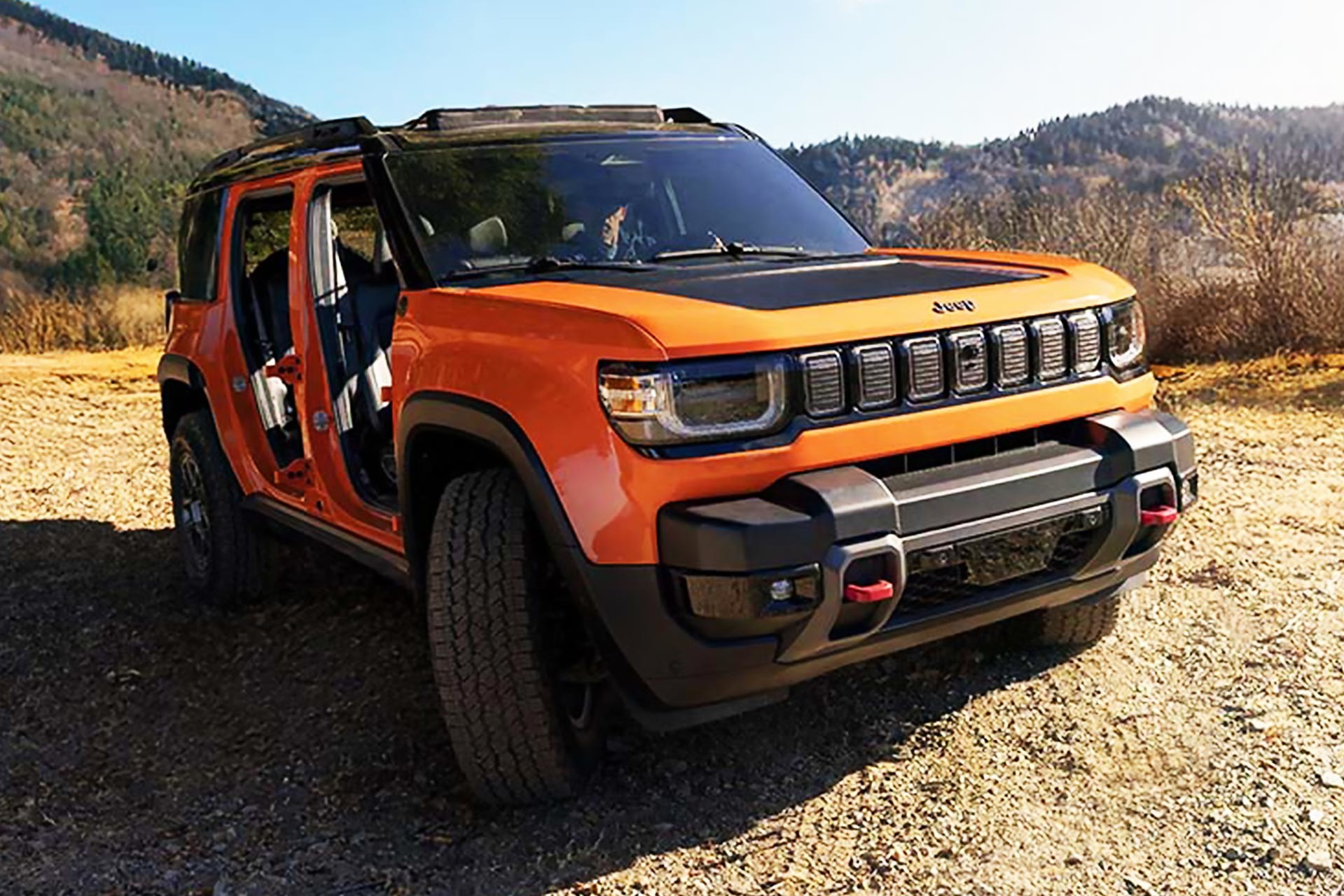
Converting a Jeep Wrangler to electric brings instant torque, zero tailpipe emissions, and a quieter ride to the trail. Whether you're tired of frequent engine repairs or want to future-proof a classic CJ, YJ, TJ, or JK platform, swapping out a combustion engine for a modern electric powertrain is a serious undertaking. The competitor page skims the surface with generic overviews, but you need exact details on donor compatibility, motor mounts, battery weight management, and real costs before you pull the engine.
If you're ready to plan your build, here's everything you need to know about parts, installation, and engineering challenges.
Assessing Your Jeep Wrangler Platform
Not every Wrangler model takes an electric conversion the same way. Older mechanical setups differ significantly from modern chassis with integrated computer networks.
CJ and YJ Generations (1976–1995)
These older platforms are the easiest candidates for DIY builders. They feature simple analog wiring, minimal factory computers, and plenty of space under the hood. You don't have to worry about factory body control modules locking out instrument clusters or fighting CAN bus communication errors.
TJ Generation (1997–2006)
The TJ offers a sweet spot with coil-spring suspension and decent braking capacity. However, you'll need to sort out the factory gauges. Most builders replace the stock instrument panel with an aftermarket digital dash compatible with the new motor controller.
JK and JL Generations (2007–Present)
Modern Wranglers have complex electrical architectures. Retaining factory features like power steering, ABS, and stability control requires specialized CAN bus integration boards or standalone controllers. Most professional shops prefer starting with older models to keep wiring complexity manageable.
Selecting Your Motor and Power Setup
The electric motor replaces your transmission and engine block, though many conversions keep the transfer case and manual or automatic transmission to maintain low-range four-wheel drive.
- Crate EV Motors: Companies like EV West offer complete crate motor packages designed specifically for classic truck and SUV swaps, utilizing salvaged Tesla or NetGain hardware.
- Direct Drive vs. Retained Transmission: Bolting the electric motor directly to your factory transmission lets you use your stock gear shifter and transfer case. Removing the transmission and coupling the motor straight to the driveshaft simplifies weight and space but eliminates low-range gearing options.
- Controller and Inverter: Your motor controller dictates throttle response and torque delivery. High-end controllers let you program custom torque curves for crawling over rocks without spinning your tires.
Managing Battery Placement and Weight
Weight distribution makes or breaks an electric off-road vehicle. A standard Wrangler engine and transmission weigh roughly 600 to 700 pounds. A heavy lithium-ion battery pack can easily exceed 1,000 pounds, shifting your center of gravity.
- Under-Floor Packaging: Distributing battery modules low in the frame rails protects them from trail debris and keeps your center of gravity low for side-hill stability.
- Split Packs: Splitting your battery modules between the old engine bay and the rear cargo area prevents overloading the front axle springs.
- Enclosure Protection: Batteries require heavy-duty steel or aluminum skid plates. If you clip a rock on the trail, a punctured battery pack can cause a thermal runaway event.
Step-by-Step Conversion Process
Executing an EV conversion takes months of fabrication, wiring, and testing. Here is how the workflow runs from start to finish.
- Strip the Drivetrain: Remove the stock gas engine, exhaust system, fuel tank, radiator, and wiring harness. Clean and degrease the engine bay thoroughly.
- Fabricate Motor Mounts: Weld custom steel motor mount brackets to the frame rails, aligning the electric motor output shaft precisely with your transfer case input.
- Build Battery Boxes: Construct heavy-gauge aluminum or steel enclosures that bolt securely to the frame structure. Never rely on sheet metal alone to support heavy battery cells.
- Wire High-Voltage and Low-Voltage Systems: Run your high-voltage orange cables between the battery management system, inverter, and motor. Separate your 12V accessory wiring for lights, winches, and dash displays.
- Install Cooling and Vacuum Systems: Electric motors and controllers require closed-loop liquid cooling pumps and radiators. Additionally, you'll need an electric vacuum pump to maintain proper power brake booster pressure.
- Program and Dyno Tune: Connect your laptop to the motor controller to calibrate throttle maps, regenerative braking levels, and thermal limits before taking it on the road.
Common Build Pitfalls to Avoid
Even experienced mechanics run into trouble during an EV swap. Watch out for these frequent mistakes.
- Ignoring GVWR Limits: Adding hundreds of pounds of extra battery weight can easily push your Wrangler past its Gross Vehicle Rating. Upgrading your suspension springs and braking system is non-negotiable.
- Inadequate Cooling: Pushing an electric motor up a steep, rocky trail generates massive heat. Undersizing your radiator or failing to use high-flow electric water pumps will trigger thermal throttling.
- Overlooking 12V Power Draws: Winches, lockers, and lighting pull heavy amperage from your 12V system. Make sure you install a robust DC-to-DC converter to keep your auxiliary battery charged.
Frequently Asked Questions
How much does a Jeep Wrangler EV conversion cost?
Parts alone typically range from $10,000 for a basic DIY salvaged-motor build to over $40,000 for a turnkey professional installation using brand-new components and high-capacity battery packs.
Can I still use four-wheel drive after the conversion?
Yes. By coupling the electric motor to your factory transmission and transfer case, you retain full high-range, low-range, and four-wheel-drive capabilities for off-roading.
What is the typical driving range of an EV-converted Jeep?
Driving range varies widely based on battery capacity, vehicle weight, and tire size. Most builds achieve between 80 and 150 miles of highway range, though off-road trail use drains the battery much faster.
Do I need to upgrade my Wrangler's brakes?
Absolutely. Because electric conversion vehicles carry extra battery weight, factory brakes will wear out quickly and struggle to stop safely without upgrading to heavy-duty rotors and pads.



