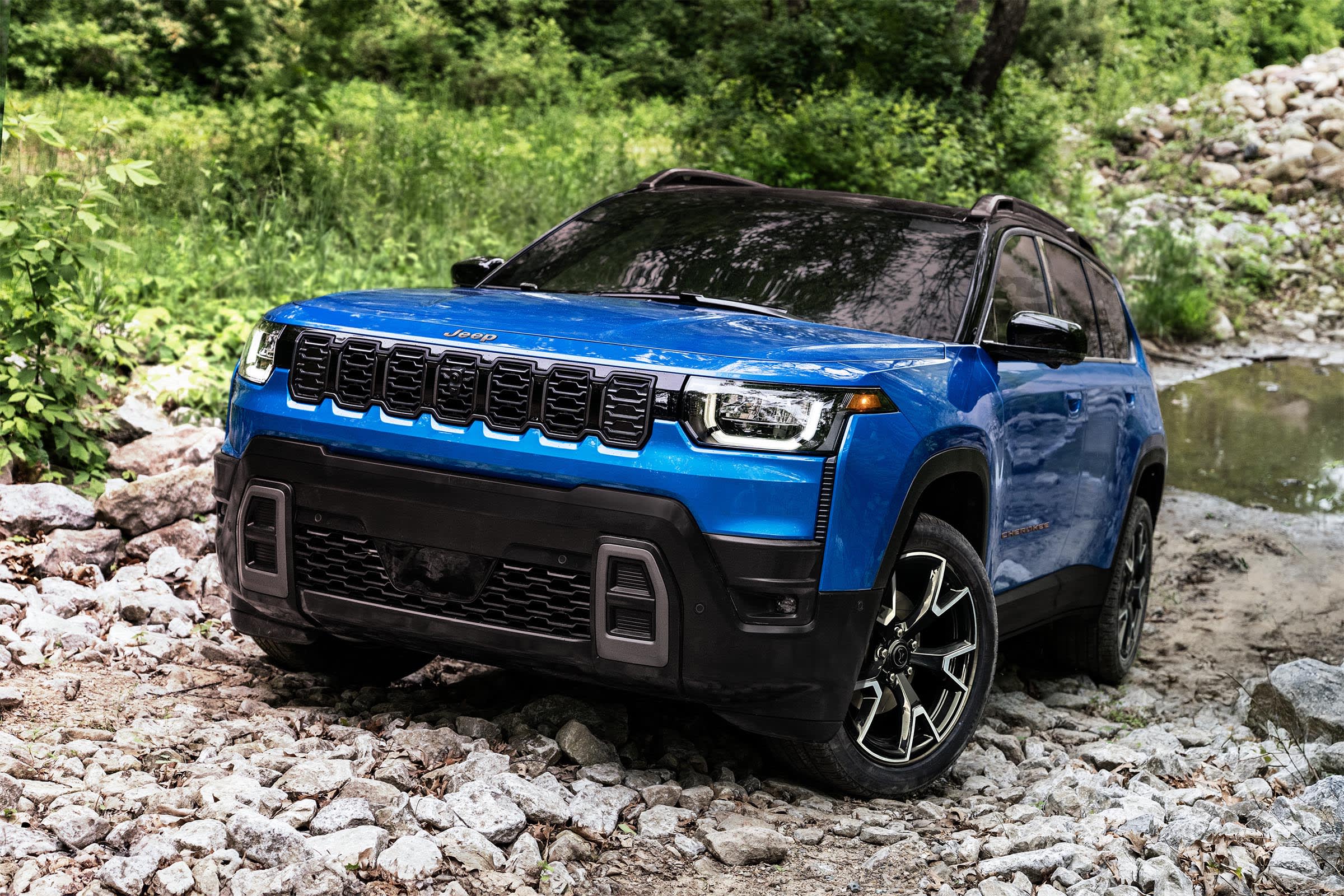
When you buy a Wrangler JL, you get a capable 4x4 straight off the showroom floor, but factory specs rarely satisfy the itch for real trail performance or distinct styling. Modifying a modern Wrangler requires balancing geometry, weight limits, and electrical loads so your rig handles highway miles as reliably as boulder fields.
Upgrading a Jeep JL starts with defining your primary terrain. If you build a rock crawler with stiff long-arm suspension and heavy steel armor for weekend trail runs, your daily highway commute will suffer. Conversely, a mild leveling kit paired with all-terrain tires preserves factory ride comfort while giving you the clearance needed for moderate backcountry roads and better snow performance.
Suspension Tuning and Lift Kits
The factory suspension on a Wrangler JL is engineered for broad market appeal, combining decent articulation with predictable street manners. Upgrading that setup changes everything about how the vehicle handles bumps, corners, and obstacles.
Spacer lifts offer a budget-friendly route to gain two inches of height for larger tires, but they leave factory springs and shocks intact. Complete suspension systems replace springs, shocks, control arms, and track bars, correcting the steering geometry that shifts when you lift a solid-axle vehicle.
- Short-arm kits: Maintain factory arm mounting locations while providing up to 3.5 inches of lift, ideal for weekend warriors.
- Long-arm kits: Lengthen control arms for flatter suspension angles, drastically improving high-speed stability and wheel travel on rough terrain.
- Adjustable track bars: Center your axle properly under the chassis after lifting to prevent uneven handling and steering pull.
Pay close attention to spring rates. If you plan to add a steel front bumper, a heavy-duty winch, and a roof rack, choose heavy-load springs. Otherwise, standard lift springs will sag under the extra weight, ruining your ride height and suspension travel.
Choosing Wheels and Tires
Tires represent the single most impactful upgrade for traction, ground clearance, and overall stance. The JL wheel well can accommodate larger rubber than previous generations, but fitting oversized tires requires careful calculation of backspacing and gearing.
Most Rubicon models clear 33-inch tires from the factory, while Sport and Sahara trims usually require a leveling kit to fit 33s without rubbing. If you want to run 35-inch or 37-inch tires, you need a proper lift kit, aftermarket fenders or high-line flares, and wheels with less positive offset to push the tires away from the inner control arms.
Gear ratios matter immensely when you scale up tire size. Turning heavy 37-inch tires with factory 3.45 gears will burn through fuel, strain your transmission, and rob the engine of low-end acceleration. Re-gearing your differentials to 4.56 or 4.88 restores proper power bands and keeps highway cruising RPMs in a healthy range.
Armor and Off-Road Protection
Factory skid plates on a JL protect vital components, but they are often stamped from thin steel that dents easily under heavy rock impacts. Upgrading your armor safeguards your transmission, oil pan, and fuel tank from costly trail damage.
Start with rock rails or heavy-duty side steps bolted directly to the frame rather than the body sheet metal. Unlike factory steps that bend upon impact, true rock sliders support the full weight of the vehicle as you pivot around boulders.
- Differential covers: Replace thin stamped-steel covers with heavy ductile iron units to protect your ring and pinion gears.
- Steering stabilizers and tie rods: Factory steering linkage can bend when hit by rocks or when large tires bind. Heavy-duty aftermarket tie rods and drag links prevent steering failure out on the trail.
- Full belly pan systems: Aluminum or steel skid plate systems create a smooth, flat underside that lets your Jeep slide over obstacles instead of hanging up on crossmembers.
Lighting and Electrical Integration
Factory lighting on most JL trims leaves room for improvement, especially during night runs or adverse weather. Upgrading your lighting system requires planning your electrical draw to protect the factory CAN bus wiring harness.
Auxiliary switch banks simplify adding accessories like light bars, ditch lights, and onboard air compressors. Tying accessories into a dedicated power distribution block with integrated fuses and relays prevents blown factory fuses and messy wiring nests under the dashboard.
When selecting LED auxiliary lights, choose reputable brands with proper beam patterns. Spot patterns throw light far down dark fire roads, while flood patterns illuminate the trail edges so you can spot hidden obstacles or wildlife early.
Common Modification Mistakes to Avoid
Rushing into a build often leads to wasted money and compromised handling. Avoiding typical missteps saves you time and frustration down the road.
- Skipping caster correction: Lifting a JL alters the caster angle of the front axle, causing flighty steering at highway speeds. Always use geometry correction brackets or adjustable control arms to restore positive caster.
- Ignoring weight creep: Every heavy bumper, winch, rooftop tent, and steel drawer system adds hundreds of pounds. Monitor your payload limits and upgrade your suspension components to match the cumulative weight.
- Buying cheap lift kits: Low-cost kits that omit track bars, brake line extensions, and proper shocks result in harsh rides, poor axle alignment, and accelerated component wear.
Frequently Asked Questions
Will lifting my Jeep JL void my warranty?
Under the Magnuson-Moss Warranty Act, simply installing aftermarket parts does not automatically void your vehicle warranty. However, if a dealership can prove that an aftermarket modification directly caused a mechanical failure, they can deny warranty coverage for that specific repair.
What is the largest tire size I can run without re-gearing?
Most owners find 33-inch tires to be the upper limit for stock axle gears without experiencing noticeable sluggishness. If you move up to 35-inch or 37-inch tires, re-gearing your differentials is strongly recommended to restore fuel efficiency and throttle response.
Should I choose aluminum or steel armor?
Steel armor offers maximum durability and can take severe hits against sharp rocks, but it adds substantial weight to your vehicle. Aluminum armor is significantly lighter, protecting against scrapes and moderate impacts without sapping your payload capacity or fuel economy.
How do I correct my speedometer after installing larger tires?
Changing your tire diameter alters the rolling circumference, making your speedometer and odometer inaccurate. You can use a digital programmer or OBD2 flash tool to update the computer with your exact tire height, restoring accurate speed readings and proper transmission shift points.



