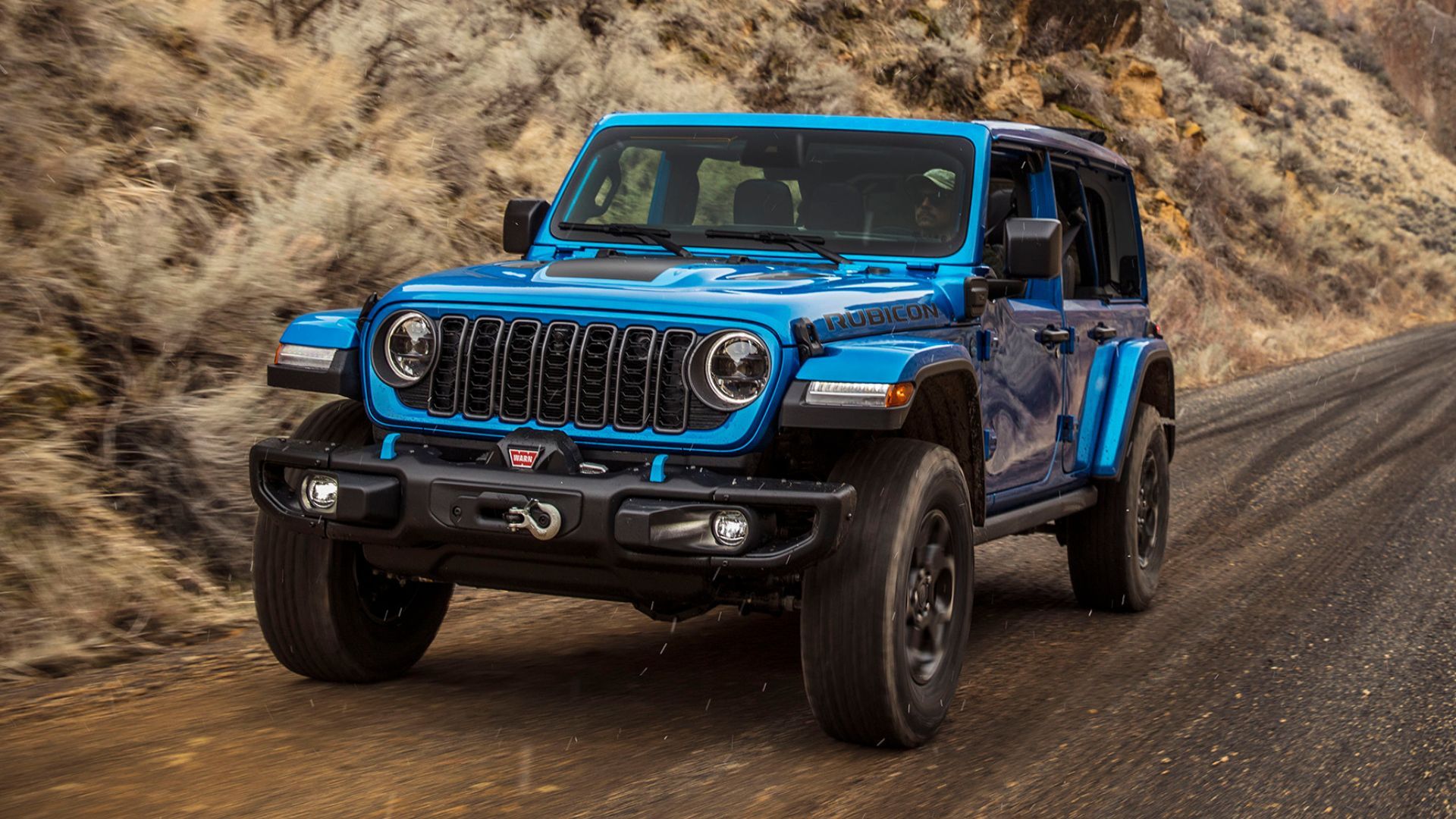
When Jeep introduced a mid-size truck sharing the Wrangler's architecture, skeptics wondered if it was just a novelty with a bed. Years on, the Jeep Gladiator proves it's a genuine workhorse, pairing solid-axle ruggedness with open-air utility that traditional mid-size trucks simply don't offer. If you're weighing whether this truck fits your daily commute and weekend trail runs, you need to look past the marketing and examine payload limits, real-world fuel economy, and actual trail manners.
Underneath, the truck borrows heavily from the Wrangler Unlimited, stretching the wheelbase to accommodate a five-foot steel bed. That extra length changes the geometry completely. You gain exceptional stability when towing heavy loads across washboard dirt, but you also sacrifice some breakover angle on tight timber trails. Understanding how these structural choices affect daily driving makes all the difference before you drop forty grand or more on a build.
Powertrain Options and Real-World Performance
Choosing the right engine dictates how your Gladiator handles daily traffic and heavy hauling. Jeep offers distinct power plants tailored for different priorities, though availability has shifted over production cycles.
The standard 3.6-liter Pentastar V6 pushes 285 horsepower and 260 lb-ft of torque. It's a willing engine that pairs with either a six-speed manual or an eight-speed automatic transmission. While the manual transmission appeals to purists, the eight-speed automatic keeps the V6 in its power band much better, especially when climbing steep mountain grades or passing highway traffic. Expect around 16 mpg city and 23 mpg highway if you keep your foot light and stick to stock tire sizes.
For torque enthusiasts, earlier models featured a 3.0-liter EcoDiesel V6 making 260 horsepower and a massive 442 lb-ft of torque. While Jeep discontinued the diesel option for recent model years, used examples remain popular for overlanding builds because of low-end grunt and exceptional highway cruising range.
Meanwhile, the 4xe plug-in hybrid powertrain brings electrification to the Wrangler lineup, and while similar tech rolls out across Jeep's stable, Gladiator buyers rely primarily on gas power plants optimized for towing and payload stability. You can check current specifications directly on the Jeep Official Site.
Off-Road Architecture: Trims, Axles, and Geometry
Not all Gladiators handle trails the same way. Base Sport models give you basic four-wheel drive, while the Willys and Rubicon trims turn the truck into a dedicated rock crawler.
The Rubicon trim stands out with heavy-duty Dana 44 front and rear axles, a 4:1 rock-track part-time four-wheel-drive system, electronic front sway-bar disconnect, and locking differentials. Ground clearance sits at an impressive 11.1 inches on standard Rubicon setups, though factory-installed 33-inch tires give you room to clear obstacles without scraping your skid plates.
Articulation on the trail feels remarkably planted thanks to the coil-spring rear suspension—a departure from the traditional leaf springs found on rivals like the Toyota Tacoma or Ford Ranger. This setup gives the Gladiator a smoother ride over choppy dirt roads, but it reduces maximum payload capacity compared to leaf-sprung competitors.
Towing and Payload Capacities
Mid-size truck buyers often ask whether a removable-roof vehicle can actually haul gear. The short answer is yes, provided you spec the right towing package.
When properly equipped with the Max Tow Package, the V6 Gladiator achieves a maximum towing capacity of up to 7,700 pounds. That rivals many full-size trucks from a decade ago. Payload capacity maxes out around 1,700 pounds for base gas models, though heavy Rubicon trims see lower payload ratings because the beefy off-road armor and locking differentials add considerable curb weight.
Always verify the door sticker on the specific truck you're eyeing. Adding aftermarket steel bumpers, winches, and larger tires eats directly into your available payload before you even toss a cooler in the bed.
Interior Comfort and Daily Usability
The cabin strikes a balance between rugged durability and modern tech. Washout interior features aren't standard like on some bare-bones utility trucks, but drain plugs in the floor make cleaning out mud remarkably easy if you remove the carpets.
The center console houses a responsive touchscreen running the Uconnect infotainment system, complete with wireless Apple CarPlay and Android Auto. Climate controls remain chunky physical dials—a design choice you'll appreciate when adjusting fan speed while wearing heavy winter gloves.
Storage space inside is clever. Lifting the rear seat reveals a lockable under-seat storage bin, perfect for strapping down recovery gear, tie-down straps, and emergency tools out of sight.
Common Mistakes to Avoid
Buyers transitioning from traditional crossovers or standard pickup trucks often make a few costly misjudgments with the Gladiator:
- Ignoring Turning Radius: The stretched wheelbase means three-point turns in tight parking garages require more patience than a standard Wrangler.
- Overlooking Payload Limits: Loading the five-foot bed with heavy firewood while towing near max capacity will sag the rear suspension unless you add auxiliary air helper springs.
- Neglecting Steering Feedback: Solid front axles handle potholes differently than independent front suspensions. Expect a more engaged steering feel that requires minor corrections on grooved highway pavement.
- Skipping the Hardtop Considerations: While soft tops offer open-air freedom, highway cabin noise increases noticeably compared to the insulated hardtop panels.
Frequently Asked Questions
Can you remove the doors and roof on a Jeep Gladiator?
Yes. Just like its Wrangler sibling, you can take off all four doors, fold down the windshield, and remove either the freedom panels or the entire hardtop for a fully open-air driving experience.
How does the Gladiator ride on the highway compared to the Wrangler?
The longer wheelbase makes the Gladiator ride smoother and tracking is more stable at highway speeds than a two-door or four-door Wrangler, minimizing the choppy ride over highway expansion joints.
What is the real-world fuel economy for the V6 engine?
Most drivers average between 17 and 19 mpg combined with the 3.6-liter V6 and automatic transmission. Adding larger off-road tires, a roof rack, or a rooftop tent will drop that number further.
Is the Gladiator good for daily commuting?
If you don't mind a firmer ride and a larger turning radius in tight parking lots, it handles daily commuting comfortably. Visibility is excellent, and modern safety features like blind-spot monitoring help navigate dense traffic. For regulatory safety testing data, you can consult the NHTSA.



