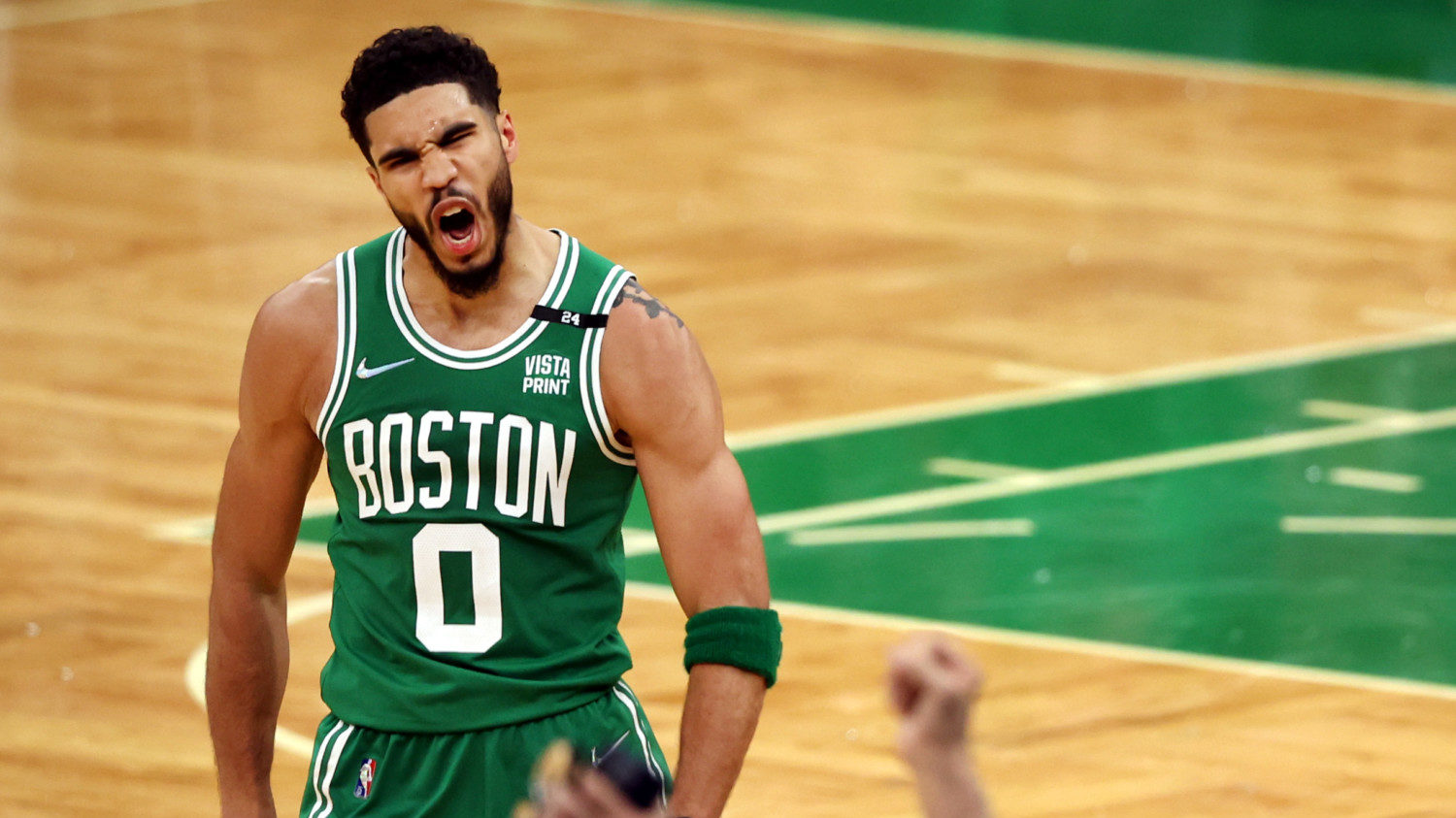
When tracking individual player dominance in modern basketball, few Eastern Conference rivalries feature stats as heavily skewed as Jayson Tatum's history against the Toronto Raptors. Over multiple seasons, tactical shifts, and shifting rosters in Toronto, the Boston Celtics forward has consistently found ways to dismantle defensive coverages thrown his way. It's a matchup defined by tactical adjustments, positional versatility, and a high offensive ceiling that leaves opponents scrambling.
Tatum's success against Toronto isn't just about high-volume scoring; it's built on a foundation of efficient shooting, playmaking growth, and relentless pressure on the glass. Let's break down how this rivalry evolved, the tactical chess match behind his numbers, and why the Raptors have struggled to find an answer for the perennial All-Star.
The Statistical Reality of Tatum vs. Toronto
To understand why analysts focus on this specific matchup, look at the historical record. Tatum holds a dominant 21-7 career record against the Raptors, a testament to Boston's team success coupled with his individual output. Across these contests, his stat line routinely scales up, particularly in scoring and rebounding efficiency.
In high-profile matchups, Tatum has produced signature performances, such as a dominant 40-point outing against Toronto where he shot over 57% from the field and converted heavily from deep. His ability to draw fouls, exploit switches, and limit turnovers during critical stretches makes him a tough cover for whichever defensive archetype Toronto puts on the floor.
- Scoring Output: Regularly averages above 23 points per game against Toronto across his career.
- Rebounding Impact: Consistently crashes the boards, often securing 6 to 9 rebounds to neutralize second-chance opportunities.
- Playmaking Evolution: Has transitioned from a pure isolation scorer into a willing distributor who punishes double-teams with hockey assists and kick-outs.
Tactical Breakdown: Why Toronto Struggles to Contain Him
Defending a modern wing who stands 6 feet 8 inches with elite handles requires structural discipline. Historically, Toronto built its defensive identity on length, switching versatility, and aggressive help defense. Think back to the championship-era schemes orchestrated by Nick Nurse, which relied on hybrid box-and-one looks, traps, and walling off the paint.
However, Tatum's skill set directly counters aggressive trapping schemes.
Exploiting the Blitz
When teams attempt to trap Tatum above the three-point line, his court vision has improved to the point where he quickly identifies the rotating defender. Instead of forcing contested fadeaways, he skips the ball to open shooters in the corner or hits rolling big men like Kristaps Porziņģis or Robert Williams III in past seasons.
Isolation and Size mismatches
When Toronto switches smaller guards onto Tatum, he utilizes his high release point and step-back jumper to shoot right over contests. If they play him with traditional power forwards, his quick first step allows him to drive past defenders and draw contact at the rim. This forces opposing coaching staffs into difficult choices: single coverage with a high-percentage look, or sending help that leaves the league's best perimeter spacing unit wide open.
"When you face a player who can hurt you equally from deep, in the mid-range, and as a playmaker out of double teams, standard defensive blueprints simply break down."
The Evolution From Young Scorer to Established Veteran
Tatum's dominance hasn't happened in a vacuum; it mirrors his growth as an overall player. During his rookie and sophomore seasons, Toronto's veteran-heavy defenses—featuring defensive anchors like Kawhi Leonard, Marc Gasol, and Serge Ibaka—frequently forced him into tough rookie mistakes and low shooting percentages.
You can trace his development by looking at how he solved those exact looks:
- Patience in the Mid-Post: Early in his career, physical interior defenders disrupted his drives. He countered by developing a reliable turnaround jumper from the mid-post.
- Drawing Contact: Instead of shying away from contact against physical rim protectors, he increased his free-throw rate, making opponents pay for over-aggressive contests.
- Pacing the Game: Rather than rushing possessions against switching defenses, he learned to walk the ball up, identify the mismatch, and dictate the tempo of the half-court offense.
For more on player tracking and historical stats, you can check out Basketball Reference or review official game logs on the NBA Official Site.
Frequently Asked Questions
What is Jayson Tatum's career record against the Toronto Raptors?
Tatum maintains a dominant 21-7 record against Toronto over the course of his career, reflecting both Boston's team superiority and his personal statistical impact during these matchups.
How has Toronto's defensive strategy against Tatum changed over the years?
Earlier in his career, Toronto relied on heavy physical contact, interior walls with elite rim protectors, and aggressive traps. As Tatum developed elite playmaking skills, teams shifted toward more traditional switching and disciplined single coverage to avoid giving up open three-pointers to Boston's shooters.
What is Tatum's highest-scoring game against Toronto?
One of his most notable scoring explosions came in January 2021, where he dropped 40 points, grabbed 6 rebounds, and shot over 60% from three-point range in a hard-fought victory.
Why is Tatum a difficult matchup for modern wing defenders?
His combination of elite height (6'8"), high release point on his jumper, quick first step, and improved passing out of double-teams means defenders cannot rely on a single coverage scheme without exposing weaknesses elsewhere on the floor.



