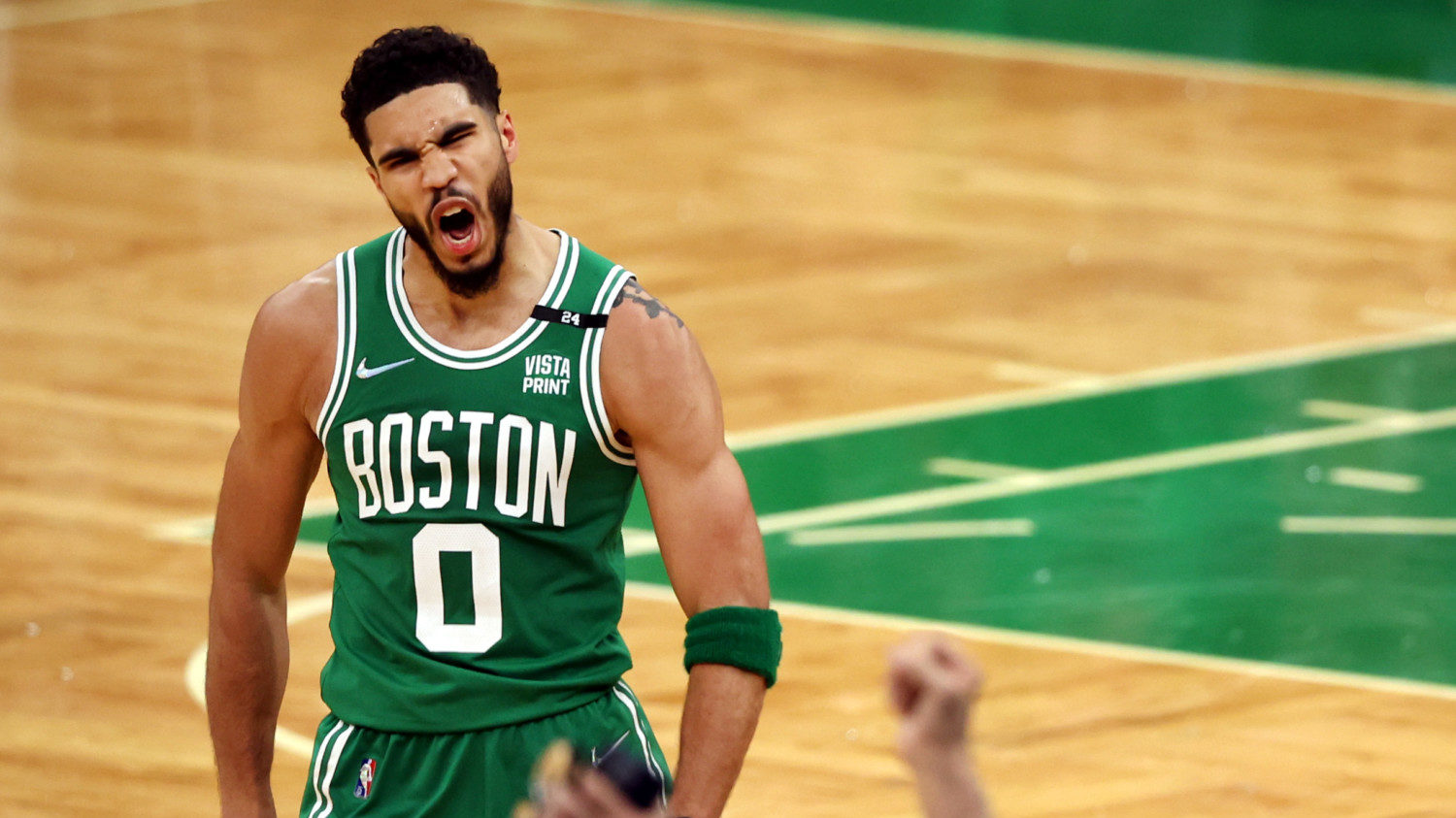
Jayson Tatum isn't waiting around to become the face of the NBA's Eastern Conference—he already owns the resume. Since entering the league with the Boston Celtics, he has transformed from a smooth-scoring rookie into a complete franchise anchor, capturing multiple All-NBA First Team nods and an NBA championship. Yet, the debate surrounding whether he represents the definitive future of the East persists as new challengers emerge across the conference landscape.
Evaluating Tatum's standing requires looking past standard box scores. True conference supremacy demands sustained playoff dominance, leadership stability, and the ability to fend off rising organizational threats.
The Current Landscape of the Eastern Conference
The East operates differently than it did a decade ago. Gone are the days when a single veteran superstar could monopolize the conference finals for eight straight years. Instead, power has decentralized into a multi-team race where organizational depth matters just as much as top-tier talent.
Tatum's Boston squad has set the baseline for this era. With a front office that prioritizes versatile two-way wings and floor spacing, the Celtics built an infrastructure that maximized Tatum's strengths from day one. Opposing franchises have spent years trying to replicate that blueprint.
- Milwaukee Bucks: Anchored by perennial MVP-caliber dominance, they remain a constant tactical hurdle despite shifting supporting casts.
- New York Knicks: A physical, defense-first identity has revitalized Madison Square Garden and turned the Knicks into a perennial upper-tier threat.
- Cleveland Cavaliers and Orlando Magic: Youthful cores built on length, athleticism, and defensive switchability are shortening the timeline to contention.
Why Tatum Fits the Modern Blueprint
Evaluating a franchise player goes beyond scoring averages. Tatum brings a combination of durability, positional size, and playmaking growth that fits how modern basketball is played. Standing at six-foot-eight, he handles the ball like a guard while defending multiple positions on the other end.
His offensive evolution proves he can adapt to different roster constructions. Earlier in his career, he relied heavily on isolation scoring and tough step-back jumpers. Over recent seasons, his assist numbers have climbed as defenses began sending constant double-teams his way. Recognizing where the trap is coming from and spraying passes to open shooters on the weak side turned him into a difficult cover for any defensive scheme.
Durability is another quiet driver of his elite status. While other stars miss significant stretches due to load management or injuries, Tatum routinely logs heavy minutes across high-volume schedules. Availability remains an underrated trait when projecting who will control a conference over a five-to-ten-year window.
The Rising Challengers for East Supremacy
Holding the crown means fending off a wave of younger or equally lethal talents who view the conference as wide open.
Tyrese Haliburton turned the Indiana Pacers into a high-paced offensive juggernaut, proving that elite court vision and tempo control can disrupt traditional defensive powerhouses. Meanwhile, Orlando and Cleveland feature athletic forward combinations that test Tatum's stamina over grueling seven-game series.
Out west, players like Nikola Jokic and Shai Gilgeous-Alexander capture plenty of regular-season headlines, but the internal battle in the East carries its own unique weight. Every playoff path to the Larry O'Brien Trophy through the conference runs directly through the tactical checks designed specifically to stop Tatum.
Common Misconceptions About Tatum's Ceiling
Critics often point to fluctuating shooting percentages from beyond the arc as a flaw in his game. Because he loves taking high-difficulty perimeter shots, his night-to-night efficiency can occasionally dip compared to hyper-efficient rim-runners or post-up specialists.
Another frequent critique involves his role alongside co-star Jaylen Brown. Some analysts questioned whether two high-usage wings could coexist and lead a franchise to a title. Winning a championship silenced those doubts, proving that dual-threat star power works when both players buy into defensive responsibilities and ball movement.
Frequently Asked Questions
What are Jayson Tatum's primary career achievements so far?
Tatum is an NBA champion, a multi-time All-NBA First Team selection, and a multiple-time NBA All-Star who also earned an Eastern Conference Finals MVP award. He additionally holds records for high-scoring playoff and All-Star performances.
How does Tatum's playmaking compare to other elite forwards?
While traditional point guards rack up raw assist numbers more easily, Tatum functions as a primary initiator from the wing. His ability to draw heavy defensive attention creates open looks for teammates across the floor.
What makes the Boston Celtics system ideal for Tatum?
The front office surrounds him with versatile shooters and elite defenders who can switch assignments seamlessly. This setup prevents opponents from completely neutralizing him with traps without leaving other capable scorers open.
Can other Eastern Conference teams surpass the Celtics in the near future?
Yes. Conference parity is tight, and teams with ascending young rosters or flexible cap space possess the tools to challenge Boston's supremacy during any given postseason run.


