Undergoing jaw surgery changes your facial structure, bite alignment, and airway space in ways that orthodontic braces alone cannot achieve. When individuals look at jaw surgery before and after transformations, they often see a striking difference in jaw definition, chin projection, and facial symmetry. However, orthognathic surgery is fundamentally a functional reconstructive procedure rather than a cosmetic enhancement. It corrects severe malocclusions, relieves chronic jaw pain, improves chewing efficiency, and resolves obstructive sleep apnea.
Knowing what to expect from the timeline, surgical procedures, and healing process helps patients prepare for the physical and emotional shifts involved. This guide details how orthognathic intervention works, what changes occur during recovery, and how functional alignment transforms daily life.
Understanding Orthognathic Surgery
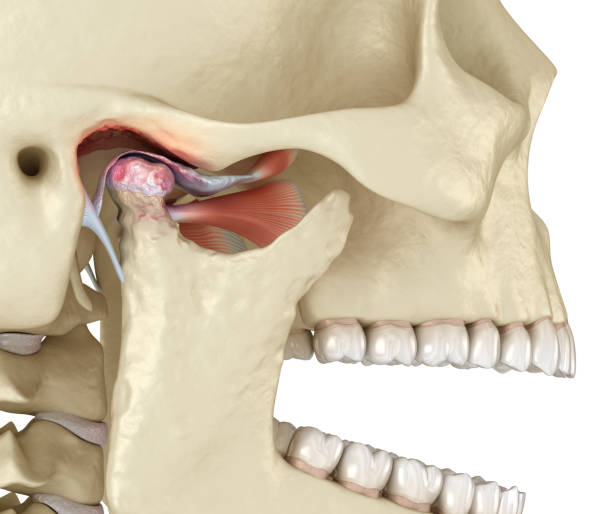
Orthognathic surgery realigns the upper jaw (maxilla), lower jaw (mandible), or chin (genioplasty) when these bones do not grow at the same rate or align correctly. Misalignments often cause open bites, underbites, overbites, or crossbites. Beyond aesthetic concerns, these skeletal discrepancies place abnormal stress on the temporomandibular joints (TMJ), wear down tooth enamel prematurely, and cause chronic speech or breathing difficulties.
Surgical intervention typically follows an 12-to-24-month phase of pre-surgical orthodontics. Braces or clear aligners position the teeth correctly within each individual jaw bone, even if that temporarily makes the bite look worse before the jaws are surgically moved into harmony. Once dental alignment is achieved, oral and maxillofacial surgeons perform the corrective osteotomies in a hospital setting under general anesthesia.
Major Types of Corrective Jaw Procedures
Surgeons tailor procedures to the specific skeletal issue. Common corrective surgeries include:
- Maxillary Osteotomy (Upper Jaw Surgery): Corrects a receding upper jaw, open bite, or crossbite. The surgeon cuts the bone above the teeth so the entire upper jaw can move forward, backward, or upward. Rigid titanium plates and screws secure the bone in its new position.
- Mandibular Osteotomy (Lower Jaw Surgery): Corrects a receding or protruding lower jaw. The surgeon cuts behind the teeth and repositions the lower jaw forward or back, securing it with plates and screws.
- Bimaxillary Osteotomy (Double Jaw Surgery): Combines upper and lower jaw repositioning to correct complex discrepancies, achieving optimal facial balance and bite fit.
- Genioplasty: Reshapes the chin independently to improve facial harmony, often performed alongside jaw repositioning.
For official clinical definitions and safety standards regarding these procedures, consult the American Association of Oral and Maxillofacial Surgeons.
The Recovery Timeline: Week by Week
The recovery process requires patience, strict adherence to post-operative instructions, and significant lifestyle adjustments. Healing happens in stages over several months.
The First Two Weeks: Acute Healing and Swelling
Swelling peaks around 48 to 72 hours post-surgery and begins subsiding by the end of the first week. Patients experience facial numbness, congestion, and stiffness. Eating is restricted to a liquid or syringe-feeding diet, transitioning to pureed foods as tolerated. Gentle oral hygiene routines, saline rinses, and prescribed pain management are essential during this phase.
Weeks 3 to 6: Returning to Routine and Soft Foods
By week three, most severe swelling decreases significantly, and patients transition to a non-chew soft diet—foods that can be mashed with a fork like scrambled eggs, mashed potatoes, and soft pasta. Many individuals return to desk work or school around the third or fourth week, though strenuous exercise remains strictly prohibited.
Months 2 to 6: Bone Healing and Orthodontic Finishing
Primary bone healing takes about six to eight weeks, but complete osseous integration and tissue stabilization take several months. Orthodontists resume fine-tuning the bite with elastics or minor wire adjustments during this period. Numbness in the lips or chin fades gradually as nerves regenerate.
Common Mistakes to Avoid During Recovery
Navigating jaw surgery recovery successfully requires avoiding common pitfalls that slow healing or compromise surgical outcomes:
- Rushing the Diet: Chewing hard or crunchy foods too early stresses the fixation plates and delicate bone grafts, risking displacement or delayed union.
- Neglecting Hydration and Nutrition: Liquid diets can lead to unintended weight loss and sluggish healing if caloric and protein intake drops too low. Blenderized whole-food smoothies and high-protein supplements prevent deficiencies.
- Skipping Oral Hygiene: Keeping incisions clean prevents infection. Skipping prescribed mouth rinses or failing to irrigate surgical sites risks complications.
- Ignoring Activity Restrictions: Lifting heavy objects or engaging in contact sports too soon elevates blood pressure, increases swelling, and endangers facial stability.
Frequently Asked Questions
Does jaw surgery hurt?
Patients experience significant tightness, pressure, and soreness rather than sharp pain, because surgical sites are heavily numbed by local anesthetics during the procedure. Controlled medication manages post-operative discomfort effectively during the first week.
Will I have visible facial scars?
Most osteotomies are performed entirely from inside the mouth, leaving no visible facial scars. If a submental incision is required for a genioplasty, it is placed in a natural skin crease underneath the chin where it heals inconspicuously.
How long before I can chew normal food again?
Most surgeons clear patients for a soft-chew diet around 6 to 8 weeks post-surgery, once initial bone stability is confirmed via imaging. Returning to hard, chewy, or crunchy foods usually happens around the 3-month mark.
Does insurance cover orthognathic surgery?
Insurance coverage depends on medical necessity. When surgery corrects functional impairments such as severe sleep apnea, chronic TMJ pain, speech impediments, or inability to chew properly, policies often cover the hospital and surgical fees, though orthodontic costs may remain separate.



