Planning a trip during the final stretch of winter requires understanding that Japan experiences radically different climate zones simultaneously. While northern regions grapple with deep snowbanks and sub-zero temperatures, southern islands maintain crisp, jacket-weather conditions. Knowing what to expect across different prefectures ensures you pack correctly and avoid being caught off guard by sudden weather shifts.
February stands out as a rewarding month for travelers willing to embrace the cold. Visitor crowds thin out at major historical sites, seasonal winter festivals bring vibrant energy to snow-covered towns, and outdoor hot springs provide a stark, steaming contrast to the chilly air. This guide breaks down regional weather patterns, realistic temperature ranges, essential packing strategies, and common mistakes to avoid.
Regional Weather Breakdown for February
Because Japan stretches thousands of miles from north to south, grouping the entire country under a single weather forecast leads to poor packing choices. Conditions range from heavy arctic snow to mild coastal breezes.
Hokkaido and Tohoku (Northern Japan)
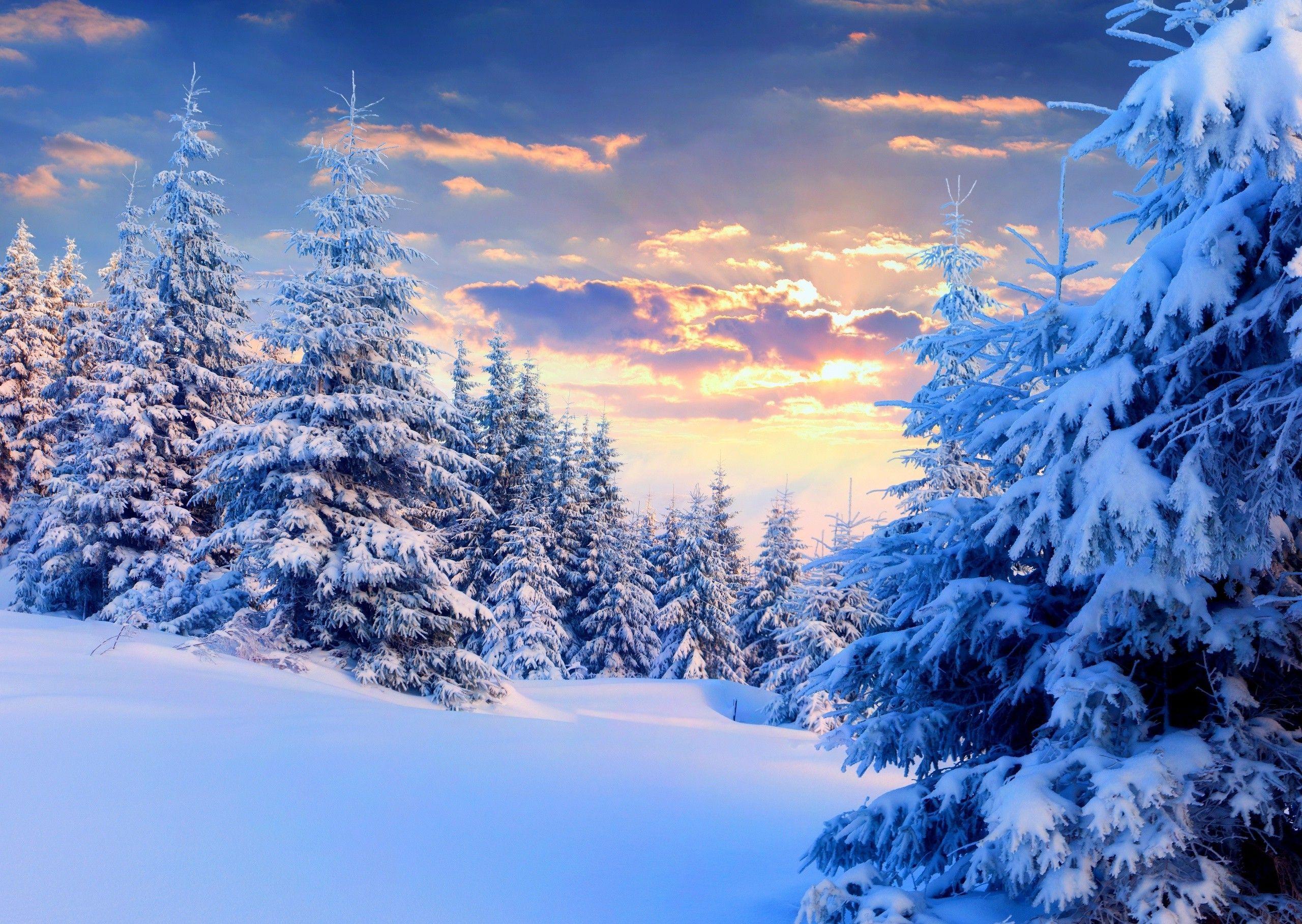
Northern Japan represents classic deep-winter territory. In Hokkaido cities like Sapporo and Asahikawa, daytime temperatures regularly hover around or below freezing ($0^\circ C$ to $-6^\circ C$), while nighttime lows plummet to $-10^\circ C$ ($14^\circ F$) or lower. Snowfall is consistent, abundant, and powdery, making this region a global hotspot for winter sports and major events like the Sapporo Snow Festival. Wind chills can make the air feel biting, requiring complete coverage of exposed skin.
Tokyo, Kyoto, and Osaka (Central and Eastern Honshu)
Major urban centers experience crisp, dry, and generally sunny winter weather. Daytime temperatures in Tokyo and Osaka typically reach $10^\circ C$ to $12^\circ C$ ($50^\circ F$ to $54^\circ F$), but drop sharply to around $0^\circ C$ to $3^\circ C$ ($32^\circ F$ to $37^\circ F$) after sunset. Snow is rare in the streets of Tokyo, though occasional light flurries occur. The primary weather challenge here is the sharp wind cutting through urban corridors, along with a deep-seated chill radiating off stone temple paths in Kyoto.
Kyushu, Shikoku, and Okinawa (Western and Southern Japan)
Southern regions offer a much milder climate. While cities like Fukuoka and Nagasaki stay cool, Okinawa experiences daytime highs ranging from $18^\circ C$ to $21^\circ C$ ($64^\circ F$ to $70^\circ F$). It isn't tropical beach weather, but it provides a comfortable escape from heavy winter gear. Even here, ocean breezes require carrying a light jacket or windbreaker for evening outings.
Essential Clothing and Layering Strategy
Japanese indoor spaces—including trains, cafes, and hotels—are heavily heated. Walking indoors wearing a heavy parka quickly leads to overheating and discomfort. Mastering the art of layering solves this problem.
- Base Layer: Start with breathable thermal underwear. Lightweight synthetic or wool thermals trap body heat without adding bulk. Many travelers purchase local thermal shirts like Uniqlo Heattech upon arrival to manage the dry winter air.
- Mid-Layer: Wear a fleece, wool sweater, or lightweight packable down jacket over your base layer. This layer acts as your primary temperature regulator when stepping off a freezing street into a warm restaurant.
- Outerwear: Invest in a windproof and water-resistant coat or down parka. Wind protection is crucial in coastal cities and open plazas where gusts amplify the cold.
- Footwear: For snowy northern routes, pack waterproof boots with deep rubber treads to prevent slips on packed ice. For cities like Tokyo or Kyoto, comfortable walking shoes with thick soles keep the stone-path chill away from your feet.
Common Mistakes to Avoid
Travelers often stumble into predictable traps when visiting during late winter. Avoid these errors to keep your trip smooth:
- Assuming Honshu is warm: Do not rely on sunny afternoons to keep you warm. The moment the sun dips behind skyscrapers or mountains, temperatures drop instantly. Always pack a proper winter coat.
- Neglecting footwear traction: Standard fashion sneakers with smooth rubber soles turn into ice skates on slushy or frozen northern sidewalks. Bring dedicated winter boots or slip-on traction cleats if visiting Hokkaido or the Japan Alps.
- Overpacking heavy sweaters: Because indoor heating is intense, wearing multiple thick sweaters makes it difficult to adjust. Stick to thin thermal layers combined with a quality outer jacket instead of bulky knitwear.
- Ignoring dry air conditions: Winter air across Japan's main island is exceptionally dry, which easily causes chapped skin and dehydration. Pack moisturizer, lip balm, and stay mindful of water intake throughout the day.
For official travel advisories and regional safety alerts, check the Japan National Tourism Organization before departure.
Frequently Asked Questions
Does it snow heavily in Tokyo during February?
Heavy snow in central Tokyo is uncommon. While a passing cold front occasionally brings a light dusting that melts by afternoon, major snow accumulations are largely restricted to the northern prefectures, the Japan Alps, and Hokkaido.
Are tourist attractions crowded in February?
Aside from peak festival dates—such as the Sapporo Snow Festival or major lantern events—February is generally considered a low-to-moderate season for international tourism. Popular temples, museums, and historical sites experience shorter lines and quieter atmospheres.
How do Japanese hot springs operate in winter?
Outdoor hot springs, known as rotenburo, remain fully operational throughout February. Soaking in natural mineral water while snow falls gently around you is widely considered a signature Japanese winter experience.
Should I buy pocket hand warmers in advance?
Disposable chemical hand warmers, called kairo, are inexpensive and widely available at every Japanese convenience store and pharmacy. There is no need to pack them from home; simply pick them up locally when a cold day calls for extra warmth.



