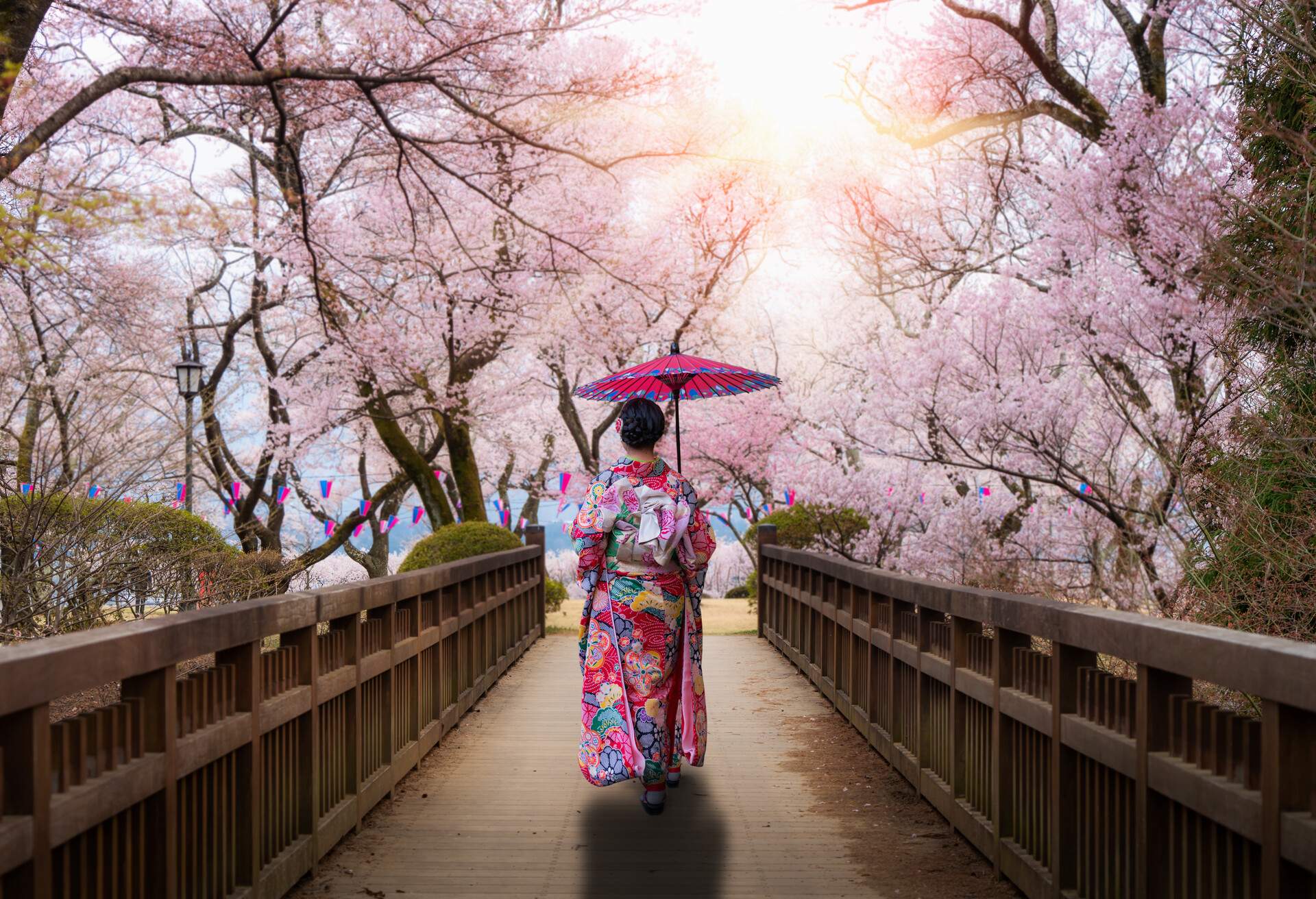
Planning a trip to witness Japan's sakura requires precise timing because the vibrant window of full bloom lasts only about a week. The annual cherry blossom season sweeps across the country from the southern islands of Kyushu up to northern Hokkaido, driven by rising spring temperatures. If you don't match your itinerary to the right regional forecast, you'll miss the blossoms entirely.
This guide breaks down regional peak bloom dates, effective strategies for planning your hanami (flower viewing) experience, and practical steps to avoid common travel mistakes.
Regional Peak Bloom Forecasts
Cherry blossom timing varies dramatically depending on latitude and elevation. Weather agencies like the Japan Meteorological Corporation issue multiple updates starting in January, tracking bud development through March and April. Here is how peak viewing unfolded across major regions:
- Kyushu & Shikoku: Southern cities like Fukuoka saw peak viewing windows stretch from late March to early April (roughly March 29 to April 8).
- Kanto & Chubu (Tokyo, Nagoya, Yokohama): Tokyo peaked between late March and early April (March 28 to April 4), while Nagoya hit its stride from March 26 to April 1.
- Kansai (Kyoto, Osaka, Nara): Kyoto blossoms peaked from March 29 to April 5, with Osaka following closely from April 1 to April 7.
- Tohoku & Hokkaido (Sendai, Sapporo): Northern destinations peak much later. Sendai reached peak color in early April, while Sapporo wrapped up the national season in late April and early May.
How to Plan Your Hanami Experience
Hanami translates literally to "flower viewing," but it's fundamentally a cultural celebration of spring. Locals and international visitors gather under blooming trees for picnics, evening strolls, and community festivities.
Secure Accommodations Early
Hotel rates skyrocket and availability vanishes months in advance in hotspots like Kyoto and Tokyo. If you're targeting peak dates, book your rooms six to nine months ahead. Alternatively, consider staying in nearby commuter towns—such as Otsu near Kyoto or Kawasaki near Tokyo—to drastically lower accommodation costs.
Master Park Etiquette
Popular parks get extremely crowded during peak weekends. Follow these ground rules to keep your outing respectful:
- Bring a blue tarp: Locals use inexpensive plastic blue tarps (blue sheets) for sitting on grassed areas. Check park rules beforehand, as some historic gardens prohibit ground mats.
- Pack out your trash: Public trash cans are rare in Japan. Bring grocery bags to carry your garbage back to your hotel.
- Respect the trees: Never shake branches, pick blossoms, or climb trees to pose for photos. Delicate roots and branches suffer heavy damage from tourism pressure.
Experience Yozakura (Night Viewing)
Many parks and castle grounds illuminate their cherry trees after dark, a tradition known as yozakura. Lanterns and strategic spotlights cast a dramatic glow over the white and pink petals. Night visits often feature fewer daytime picnic crowds, though pathways remain lively.
Common Mistakes to Avoid
Travelers often stumble during sakura season due to a few recurring miscalculations:
- Relying on a single rigid itinerary: Cherry blossoms depend entirely on weather patterns. An unexpected late frost can delay blooms, while a warm spring snap accelerates them. Build flexibility into your schedule so you can take a day trip north or south if local blooms are early or past peak.
- Ignoring domestic travel rushes: Major holiday periods like Golden Week overlap with late-season blooms in Hokkaido. Shinkansen (bullet train) seats sell out weeks ahead during peak weekends. Reserve your transit passes and seat tickets as soon as your dates lock in.
- Limiting yourself to famous landmarks: While Ueno Park in Tokyo or Maruyama Park in Kyoto are iconic, they are also shoulder-to-shoulder pack zones. Seek out neighborhood canal paths, lesser-known temple gardens, or riverside walking trails for a more serene viewing experience. You can check official municipal tourism portals like the Japan National Tourism Organization for regional hidden gems.
Frequently Asked Questions
How long do cherry blossoms actually stay on the trees?
From the day a tree reaches full bloom (mankai), the blossoms typically last about 5 to 7 days. Wind, rain, or sudden temperature drops can shorten this window, causing petals to scatter quickly.
What should I do if my trip misses peak bloom in Tokyo or Kyoto?
Don't panic. Because Japan stretches long from north to south, you can easily pivot your travel plans northward to regions like Tohoku or Hokkaido, where spring arrives weeks later. A quick Shinkansen ride can put you right back into prime viewing territory.
Is it necessary to reserve a spot for a hanami picnic?
For casual daytime viewing in public parks, people simply walk in and find open ground. However, corporate groups or large gatherings often send junior staff members early in the morning to stake out prime spots under the best trees with tarps.
What food and drink are traditional for hanami?
Traditional picnic snacks include hanami dango (sweet tri-color rice dumplings on a skewer), sakura mochi (sweet red bean paste wrapped in a pickled cherry leaf), and bento boxes purchased from local department store basements (depachika). Seasonal canned beers and green tea round out the spread.


