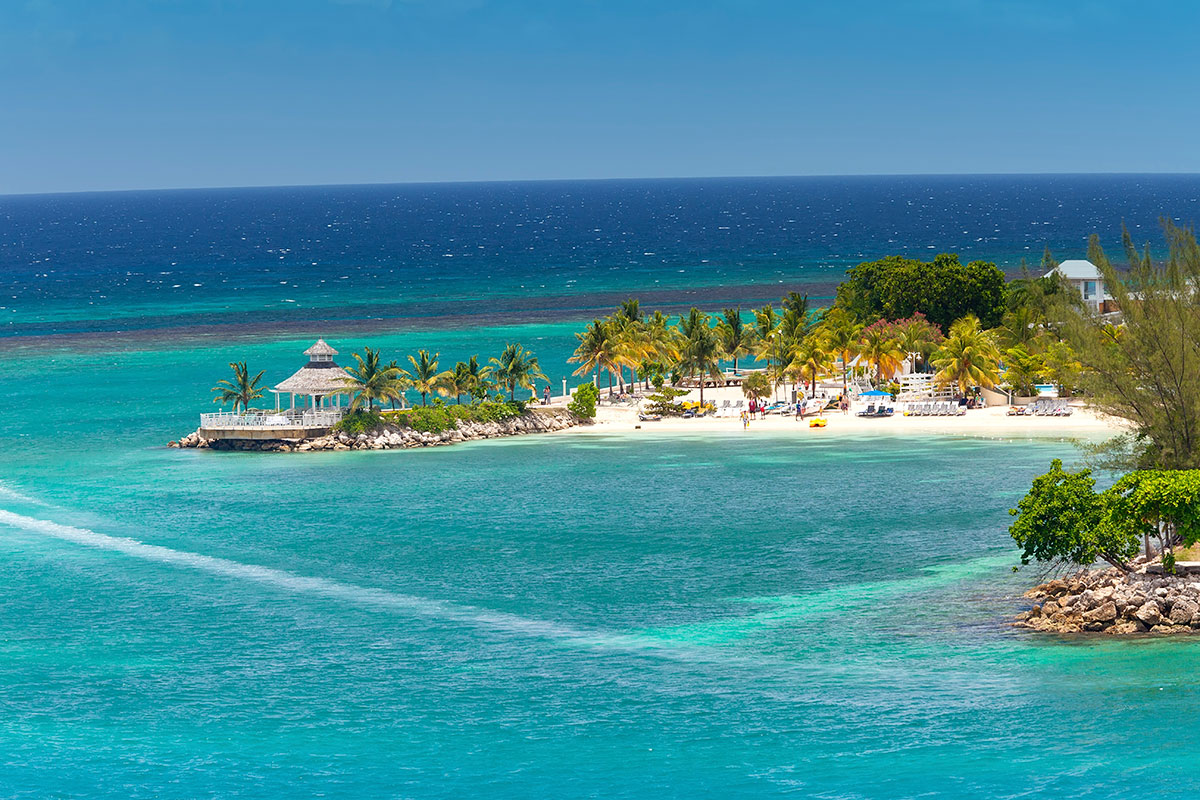
Planning a Caribbean escape during late winter means you're likely chasing warm trade winds and clear skies. Visiting Jamaica in February and March puts you right in the middle of the island's dry season, offering some of the most reliable weather of the entire year. Daytime temperatures average a comfortable 82°F to 86°F (28°C to 30°C) along the coast, while humidity stays lower than the sticky summer months. You'll experience minimal rainfall, plenty of sunshine, and cooler evening breezes that make outdoor dining and night strolls genuinely refreshing.
While the climate is nearly ideal, packing for Jamaica requires balancing breezy beachwear with practical gear for excursions like river rafting or hiking the Blue Mountains. Heavy fabrics and excessive footwear will only weigh you down. Instead, focus on breathable natural fibers, reliable sun protection, and a few specific items many travelers overlook until they arrive on the island.
Weather Breakdown: What to Expect in February and March
Understanding the microclimates across the island helps you pack smarter. Coastal areas like Negril, Montego Bay, and Ochi Rios stay warm, sunny, and dry. Rainfall during these months usually arrives as brief, passing tropical showers rather than all-day washouts.
Mountainous regions, however, behave differently. If you plan to hike or tour coffee plantations in the Blue Mountains, expect significantly cooler temperatures, especially after sunset. Mountain elevations drop temperatures drastically compared to the humid coast, meaning a light jacket or fleece is non-negotiable if you're venturing inland. To explore the full picture, we recommend the detailed analysis by The Points Guy.
Sea temperatures hover around 80°F (27°C) through both months, making conditions perfect for swimming, snorkeling, and catamaran cruises. Trade winds blow consistently from the northeast, keeping the air feeling crisp rather than stagnant, though these same breezes can make evenings feel surprisingly chilly if you're sitting right by the water after dark.
Essential Clothing and Fabric Choices
Tropical humidity demands the right textiles. Leave thick cottons and synthetic polyester blends at home because they trap heat and moisture.
- Linen and lightweight cotton: Pack loose shirts, sundresses, and trousers that allow air circulation.
- Swimwear rotation: Bring at least two or three swimsuits. High humidity means clothes take longer to dry overnight.
- Evening layers: Pack one light sweater, wrap, or denim jacket for breezy dinners by the shore or chilly nights in the hills.
- Resort-smart attire: Many all-inclusive resorts and upscale restaurants enforce dress codes for dinner, requiring collared shirts for men and casual elegance for women.
Smart Footwear Selection
Overpacking shoes is the number one mistake travelers make. You only need three functional pairs for a week-long trip:
- Beach sandals or flip-flops: Easy to slip on for walking between your room and the sand.
- Sturdy walking shoes: Essential for exploring historic towns, walking resort grounds, or light nature walks.
- Water shoes: Highly recommended if you plan to climb Dunn's River Falls, explore rocky coves, or navigate riverbeds. Going barefoot on jagged river stones leads to scraped feet instantly.
Sun Protection and Overlooked Gear
The tropical sun packs serious intensity even during the cooler winter months. Sunburns happen faster than you expect when you're snorkeling or lounging on a catamaran.
- Reef-safe sunscreen: Protect local marine ecosystems by choosing mineral formulas that avoid harsh chemicals damaging to coral reefs.
- Wide-brimmed sun hat and UV sunglasses: Essential gear for beach days and boat excursions.
- Dry bag or waterproof phone pouch: Essential for keeping your electronics safe during river tubing, boat rides, or sudden tropical downpours.
- Insect repellent: Mosquitoes can be active near lush resort gardens and forested excursion sites during dusk.
You can check official travel advisories and cultural guidelines via Visit Jamaica before finalizing your itinerary.
Common Packing Mistakes to Avoid
- Bringing winter clothes for the flight: Dress in layers you can peel off upon arrival rather than packing bulky cold-weather gear inside your main luggage.
- Skipping a waterproof layer: Even in the dry season, a sudden five-minute rain squall can catch you off guard.
- Overpacking valuables: Leave expensive jewelry at home; opt for simple, inexpensive accessories so you can swim and explore without constant worry.
Frequently Asked Questions
Do I need a jacket in Jamaica in February?
You won't need a heavy winter coat, but a light sweater or denim jacket is useful for breezy oceanfront dinners or trips into the higher elevations of the Blue Mountains, where evening temperatures drop significantly.
Is the sea warm enough for swimming in March?
Yes. Sea temperatures average around 80°F (27°C) through March, providing ideal conditions for extended beach days, snorkeling, and water sports.
Does it rain often during February and March?
February and March fall squarely within Jamaica's dry season. While occasional passing showers occur, they are typically brief, light, and quickly followed by sunshine.
What is the best currency to use in Jamaica?
While the Jamaican Dollar (JMD) is the official currency, US dollars are widely accepted in tourist areas and resorts. Carrying small denominations of US cash makes tipping and buying local crafts much easier.



