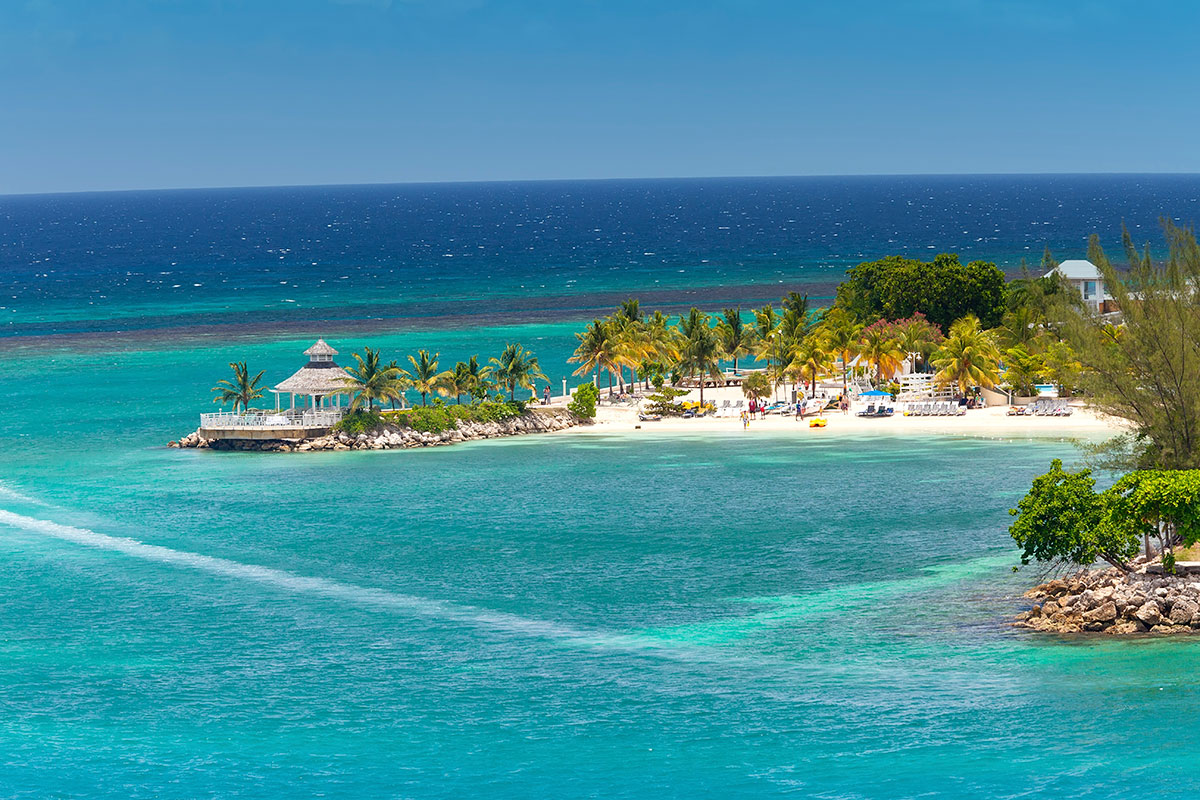
Planning a Caribbean trip during the early summer months brings a unique mix of perks and planning challenges. If you're heading to Jamaica in June, you'll encounter lower resort prices, thinner crowds at major attractions, and lush landscapes following spring rains. While June technically marks the official start of the Atlantic hurricane season, actual severe storms are statistically rare during this month, making it a smart window for budget-conscious travelers willing to navigate occasional afternoon showers.
Navigating this shoulder season effectively requires understanding regional microclimates, typical temperature swings, and how to structure your daily itinerary around tropical weather patterns. Let's break down everything you need to know to make the most of your summer escape to the island.
Understanding Jamaica Weather in June
Daytime temperatures across the coastal resort areas hover comfortably around an average high of 84°F to 88°F (29°C to 31°C), paired with warm sea temperatures near 82°F (28°C) that make swimming and snorkeling exceptionally comfortable. However, humidity levels climb steadily as summer sets in, meaning the air feels heavier than it does during the drier winter months.
Rainfall patterns tend to follow a predictable rhythm rather than ruining entire days. Showers usually arrive as fast-moving afternoon downpours or brief overnight storms, leaving the rest of the day bright and sunny.
Regional Climate Differences
- North Coast (Montego Bay, Ocho Rios): Experiences consistent trade winds that offer relief from the humidity, though afternoon squalls can briefly chop up coastal waters.
- West Coast (Negril): Generally enjoys calmer sea conditions and brilliant sunset views, though localized tropical showers still pop up.
- South Coast (Treasure Beach, Black River): Often benefits from a partial rain shadow effect, resulting in slightly drier conditions overall.
- Blue Mountains & Interior: Cooler elevations bring frequent mist and heavier cloud cover, keeping the rainforest canopy lush and vibrant.
Advantages of Traveling in June
Choosing June over the winter peak season offers distinct financial and experiential benefits. Accommodation rates drop significantly across boutique hotels and major all-inclusive resorts, allowing you to upgrade your room category or extend your stay for the same budget.
Popular landmarks like Dunn's River Falls, Seven Mile Beach, and the Blue Lagoon see a fraction of winter tourist traffic. This lower density translates to easier restaurant reservations, more personalized attention from tour operators, and empty stretches of sand during morning beach walks. Additionally, June sits right in the middle of mango season, giving food enthusiasts daily access to fresh, tree-ripened local fruit at roadside stalls across the island.
Essential Packing List for June
Packing for a tropical environment during early summer requires prioritizing breathability and sun protection. Heavy fabrics trap heat and moisture, quickly causing discomfort in the humid air.
- Lightweight Fabrics: Pack loose-fitting linen shirts, cotton sundresses, and moisture-working activewear.
- Rain Gear: Bring a compact, lightweight travel umbrella or a breathable rain shell for sudden downpours.
- Sun Defense: High-SPF sunscreen, polarized sunglasses, and a wide-brimmed hat are mandatory to protect against intense midday rays.
- Insect Repellent: Mosquito populations rise near wooded areas and following rain showers, so bring an effective repellent.
- Footwear: Sturdy sandals with good grip for slick walkways near waterfalls, alongside comfortable walking shoes for exploring towns.
Crafting Your Daily Itinerary
To stay comfortable and avoid getting caught in heavy downpours, adopt the local rhythm of early starts. Schedule outdoor excursions, hikes, and beach visits during the morning hours when skies are clearest and temperatures remain manageable.
Reserve the mid-afternoon hours for indoor dining, spa treatments, or resting at your resort while any sudden tropical showers pass through. By late afternoon, the air clears, paving the way for calm evening strolls and oceanfront dinners. If you want official destination guidance, you can check updates from the Jamaica Tourist Board.
Common Mistakes to Avoid
- Skipping Trip Insurance: Because June falls within the early window of the Atlantic hurricane season, always secure travel insurance that covers weather-related flight delays or itinerary changes.
- Ignoring Humidity Levels: Packing exclusively synthetic, tight clothing will lead to overheating quickly; stick to loose natural fibers.
- Overpacking Rigid Schedules: Trying to squeeze outdoor activities into fixed afternoon blocks ignores local weather patterns. Build flexibility into your daily plans.
- Neglecting Hydration: The combination of heat and humidity drains body fluids fast. Carry a reusable water bottle and drink frequently throughout the day.
Frequently Asked Questions
Is June safe from hurricanes in Jamaica?
While June marks the official start of the Atlantic hurricane season, major storms hitting the island during this specific month are historically rare. Most weather disturbances stay out in the broader Atlantic or Gulf, though monitoring daily forecasts remains wise.
How much does it rain in Jamaica in June?
Rain typically comes in short, heavy bursts rather than all-day washouts. Monthly totals average around 3 to 4 inches, with showers frequently concentrated in the afternoons or overnight hours.
Are all resort amenities open during June?
Yes. Unlike destinations that close completely during the off-season, Jamaica's major resorts and tourist attractions remain fully operational year-round, often running promotional rates and special packages during this window.
What is the best way to get around the island?
Licensed JUTA (Jamaica Union of Travelers Association) taxis, authorized resort shuttles, and pre-arranged private drivers offer the safest and most reliable transportation for getting between towns and airports. For broader travel planning resources, visit Frommer's Jamaica Guide.



