Jamaica punches far above its weight class. With a population under three million, this Caribbean island operates as a global cultural superpower, shaping music, athletics, language, and international trade in ways that dwarf its geographic footprint.
Forget geographic myths or outdated stereotypes. Jamaica's true global significance stems from a potent mix of artistic innovation, resilient history, and strategic economic networks that span continents.
The Roots of Cultural Dominance
Long before streaming algorithms existed, Jamaica exported its culture through sound systems and vinyl records. The island gave birth to ska, rocksteady, and reggae, genres that transformed from local expressions of social struggle into universal anthems of freedom.
Bob Marley turned Jamaican music into a worldwide symbol of resistance and unity. Yet the island's musical footprint didn't stop at reggae. Jamaican-born DJ Kool Herc brought sound system culture and toasting techniques to the Bronx in the 1970s, directly helping to spark the birth of hip-hop.
- Reggae and Dancehall: These genres dictate global pop trends, influencing artists from major American pop stars to European electronic producers.
- Rastafarianism: Originating in Jamaica during the 1930s, this spiritual and cultural movement spread worldwide, shaping fashion, social consciousness, and identity.
- Language and Patois: Jamaican Patois rhythms and slang continuously infiltrate global youth culture through digital media and international music collaborations.
Athletic Excellence on the World Stage
When people think of speed, they think of Jamaica. The nation has consistently produced the fastest runners on Earth, transforming track and field into a source of immense national pride and global fascination.
Athletes like Usain Bolt and Shelly-Ann Fraser-Pryce shattered world records and redefined Olympic competition. This dominance isn't an accident of nature. It stems from a deeply competitive high school athletics infrastructure, notably the annual Inter-Secondary Schools Boys and Girls Championships, which draws larger crowds and television audiences than many professional sporting events globally.
Economic Pillars Beyond Tourism
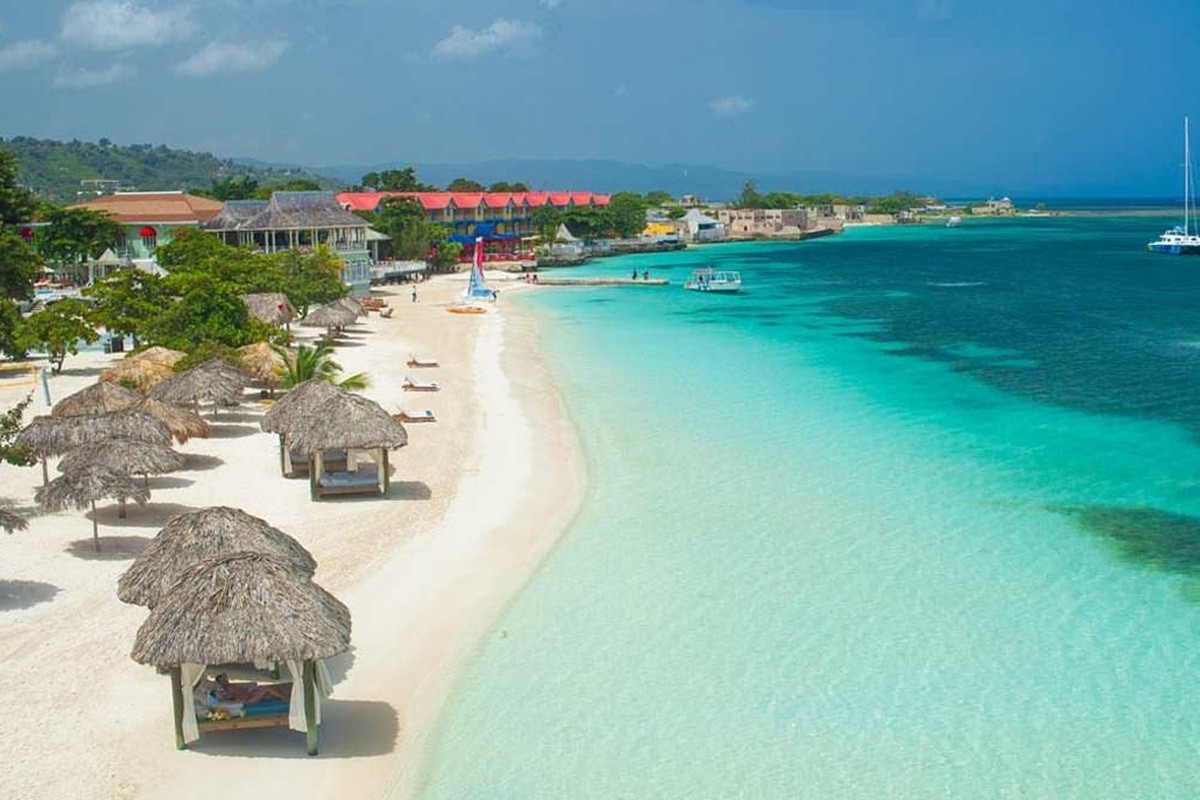
While millions of visitors flock to Montego Bay, Negril, and Ocho Rios every year to experience the island's resorts and beaches, tourism is only one piece of the economic puzzle. Jamaica maintains a diverse economic footprint rooted in global trade and resource exports.
- Bauxite and Alumina: Jamaica remains one of the world's leading exporters of bauxite, feeding international manufacturing supply chains.
- Agricultural Exports: World-famous Blue Mountain coffee and authentic Jamaican rum reach luxury markets across North America, Europe, and Asia.
- The Global Diaspora: Remittances sent home by millions of Jamaicans living in the United Kingdom, United States, and Canada form a vital economic anchor, supporting local families and domestic investment.
For deeper context on how Caribbean nations navigate international trade and policy, check out resources from the CARICOM Secretariat. To explore how global tourism impacts local island infrastructure, read reports by the World Bank.
Common Misconceptions About Jamaica
Casual observers often misunderstand Jamaica's geopolitical status and history. Let's clear up the most frequent confusions:
- Is Jamaica a U.S. territory? No. Jamaica gained full independence from the United Kingdom on August 6, 1962, and operates as an independent parliamentary democracy and sovereign Commonwealth realm. It has no political or constitutional affiliation with the United States.
- Is Jamaica part of North America? Geographically, it sits in the Caribbean Sea, south of Cuba. While it participates in continental institutions like the Organization of American States (OAS), its cultural and regional identity is distinctly Caribbean.
- Is the economy solely dependent on beaches? While tourism drives foreign exchange, mining, manufacturing, agriculture, and intellectual property in music and sports drive a much more complex economy than resort brochures suggest.
Frequently Asked Questions
Why is Jamaica so culturally influential despite its small size?
Jamaica's cultural punch comes from historical resilience, a strong sense of national identity, and an active diaspora. Music and sports became primary outlets for global storytelling, allowing local struggles and triumphs to resonate universally.
What are Jamaica's main export products?
Aside from tourism services, Jamaica exports bauxite, alumina, rum, Blue Mountain coffee, and tropical agricultural goods to global markets.
Is Jamaican Patois recognized as an official language?
English is the official language used in government, education, and business. However, Jamaican Patois (Patwa) is widely spoken by the population as a primary marker of cultural identity and artistic expression.
How did Jamaica achieve its independence?
Following centuries of British colonial rule, decades of labor movements, political organizing, and nationalist campaigns led by figures like Marcus Garvey culminated in peaceful constitutional independence in 1962.



