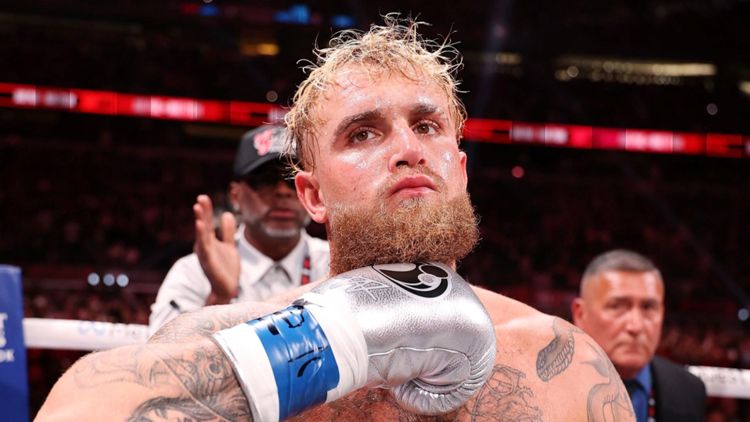
The health scare that swept across sports and entertainment media following Jake Paul's fight against Anthony Joshua centered on a severe facial injury. During their high-profile bout, Paul suffered a double fracture to his jaw, an injury confirmed both by his own social media posts and subsequent medical reports. Rather than an unverified internet rumor, the incident involved real surgical intervention and a temporary pause in his boxing career.
Understanding what actually happened requires looking past clickbait headlines and examining the medical reality, surgical details, and recovery timeline. The injury occurred midway through the sixth round on December 19, 2025, in Miami, when former heavyweight champion Anthony Joshua landed a decisive knockout blow.
What Happened During the Fight and the Immediate Aftermath
As the bout progressed, Joshua's size and experience created significant challenges. Paul struggled to neutralize the sustained pressure, absorbing heavy shots before being knocked down. In the sixth round, the referee stopped the contest after Paul failed to beat the count following a definitive knockdown.
Even before leaving the arena, Paul suspected major structural damage. Speaking briefly after the stoppage, he acknowledged that his jaw felt broken. Demonstrating typical bravado, he drove himself to the hospital rather than taking an ambulance, accompanied by members of his team.
Shortly after arriving at the medical facility, Paul shared an X-ray image on his social media channels that revealed clear fractures across the bone. The visual evidence of the double break quickly went viral, sparking widespread concern among fans and media outlets about the long-term risks of celebrity crossover boxing matches. You can read more about safety regulations in combat sports through the Association of Boxing Commissions.
The Medical Reality: Surgery and Recovery
The X-ray confirmed that Paul sustained fractures in two distinct locations along the jawbone, commonly referred to in media reports as a double broken jaw. This type of injury requires surgical fixation rather than simple rest to ensure proper bone alignment and bite function.
Surgeons performed an initial operation shortly after the fight, installing titanium plates to stabilize the fractured bone structure. According to subsequent disclosures from Paul, the procedure also involved the removal of specific teeth damaged during the impact.
Recovery from a mandibular fracture demands strict adherence to dietary and physical restrictions. Initially, Paul was restricted to a liquid-only diet for the first week, utilizing a straw to consume necessary nutrients while the soft tissues began to heal. Medical experts note that while titanium plates provide immediate stability, secondary procedures are sometimes necessary if hardware shifts or causes irritation during the healing process, which aligns with reports of subsequent follow-up treatments.
Career Impact and Future Plans
The severity of a facial fracture naturally raises questions about an athlete's future inside the ring. Promoters and medical teams initially estimated a recovery window of four to six weeks for initial bone healing, though full functional recovery and the resumption of hard sparring take considerably longer.
Paul expressed an intent to take a scheduled break from the sport, noting that he had maintained an active and grueling training schedule for years. Rather than signaling a permanent retirement, his post-surgery statements indicated plans to return to cruiserweight competition against opponents closer to his natural weight class once medically cleared. For broader updates on athletic health and safety standards, consult resources provided by the World Health Organization.
Frequently Asked Questions
Did Jake Paul actually break his jaw?
Yes. Medical evaluations and X-ray images confirmed that Paul fractured his jaw in two places during his match against Anthony Joshua.
What treatment was required for the injury?
Paul underwent surgery to stabilize the fractures. Surgeons fitted titanium plates on both sides of his jaw, and the procedure involved removing damaged teeth.
How long did it take for him to recover?
Initial healing required several weeks of dietary restrictions and light activity, with doctors recommending a multi-month pause before returning to full contact training or sparring.
Why did the X-ray draw so much public attention?
The combination of a high-profile crossover boxing event, a dramatic knockout, and the direct sharing of medical scans on social media generated widespread public interest and discussions regarding combat sports safety.



