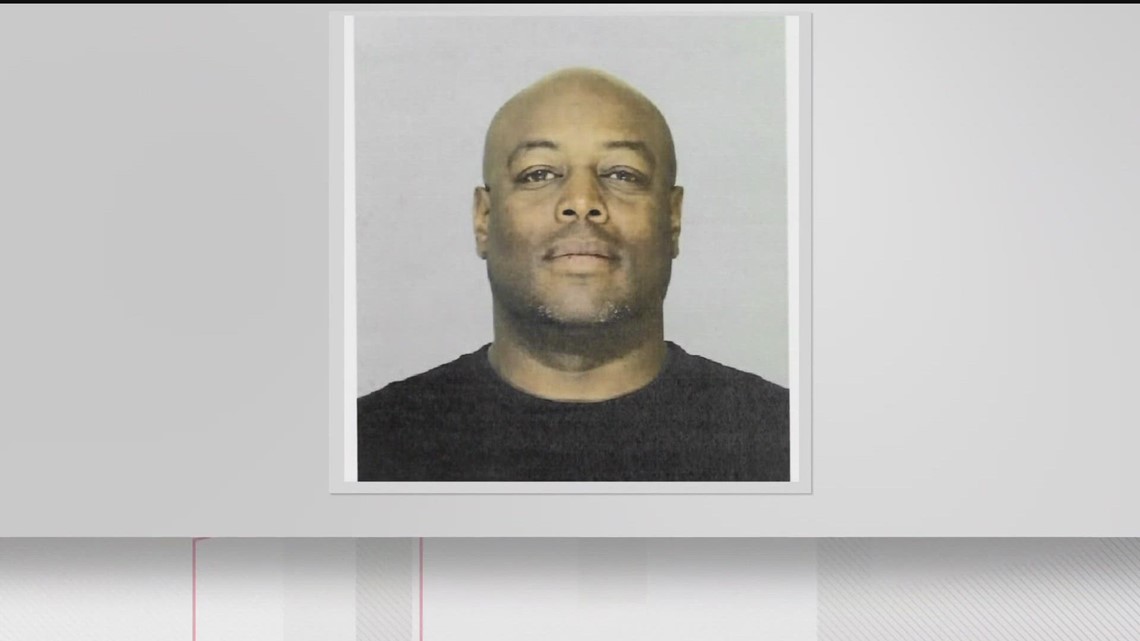
When people search for local arrest databases like jailbirds mugshots greenville sc, they're typically looking for recent booking photos, arrest logs, or information about individuals held at the local detention facility. Public curiosity runs high, but navigating these digital records involves a web of local statutes, privacy concerns, and third-party aggregation practices that often obscure the reality behind pixelated faces on the internet.
Understanding how local booking images circulate requires looking past clickbait aggregator sites and examining official public information channels. Arrest records in South Carolina are governed by state public disclosure statutes, but digital publication practices create unique challenges for individuals trying to clear their names or understand the legal status of local detainees.
The Reality of Local Arrest Records and Public Access
In South Carolina, booking photographs and arrest logs are generally considered public records under the state Freedom of Information Act. When someone is booked into the Greenville County Detention Center, their personal data, charges, and mugshot enter the public domain. Law enforcement agencies maintain these logs for transparency, allowing journalists, researchers, and concerned citizens to track local law enforcement actions.
However, public availability doesn't mean these records remain static. The Greenville County Sheriff's Office and county administration manage active inmate rosters that update dynamically as individuals post bond, get transferred, or are released following court hearings. Relying on third-party scrapers or out-of-date archives often yields inaccurate information because jail populations fluctuate constantly.
How Third-Party Mugshot Sites Exploit Pixelated Faces
Many commercial websites aggregate jail records and booking photos to drive web traffic, often utilizing sensationalized branding or terms like "jailbirds" to attract curious visitors. These platforms scrape data from public law enforcement portals, republishing mugshots alongside ads or fee-based removal services.
- Lack of Context: Aggregators rarely update records when charges are dropped, expunged, or result in an acquittal. An individual whose case was dismissed may still appear online indefinitely.
- The Presumption of Innocence: An arrest does not equal a conviction. Most people featured on local booking logs are pre-trial detainees awaiting their day in court.
- Digital Permanence: Search engine indexing ensures that a minor arrest or a dismissed charge can haunt an individual's online reputation for years, impacting employment and housing.
State legislators and privacy advocates have increasingly pushed back against predatory publishing models. Several states have passed laws prohibiting mugshot publication websites from charging fees to remove booking photos, though enforcement and digital visibility remain complex.
Official Channels for Checking Greenville County Inmates
If you need accurate, up-to-date information regarding an individual's custody status in the area, bypassing third-party blogs in favor of official channels is essential. Official tools ensure compliance with privacy guidelines and provide legally accurate data.
The primary resource for current local custody details is the Greenville County Inmate Search portal. Users must review and accept standard terms of use acknowledging that jail data changes rapidly before viewing the active roster.
For state-level tracking or notifications, residents utilize the South Carolina Department of Corrections Inmate Search for convicted felons, or register with VINE Link for automated custody status updates.
Navigating Expungement and Record Sealing in South Carolina
For individuals whose faces have appeared on booking sites due to an arrest that did not lead to a conviction, seeking an expungement is the most effective legal remedy to clear public records. South Carolina law allows for the destruction or sealing of arrest records under specific conditions:
- Dismissed or Nolle Prosequi Charges: If charges are dropped, dismissed, or result in a not-guilty verdict, individuals are generally eligible to have the arrest record expunged.
- First-Time Offense Conditional Discharges: Certain lower-level municipal or magistrate court offenses may qualify for expungement after successful completion of a diversion program.
- The Removal Process: Once an expungement order is signed by a judge, state agencies update their databases, which allows legal entities to request removal from commercial aggregators, though independent third-party compliance can sometimes require individual takedown requests.
Frequently Asked Questions
Are all mugshots in Greenville County public record?
Yes, standard booking photos taken by law enforcement during a lawful arrest are categorized as public records under South Carolina law. However, juvenile records and certain sensitive cases are exempt from public disclosure.
Why do mugshot websites charge money to remove photos?
Some private publishing sites exploit the digital footprint of arrest records by charging subjects a fee to take down their images. Ethical legal standards and emerging state regulations continue to target these predatory practices.
Does an arrest record mean a person is guilty?
No. An arrest indicates only that law enforcement had probable cause to take an individual into custody. Guilt or innocence is determined solely through formal court proceedings.
How can I get my mugshot removed from search engines?
If your charges were dismissed or expunged, you can submit the official court documentation directly to search engine removal tools or third-party web administrators to request de-indexing or deletion.



