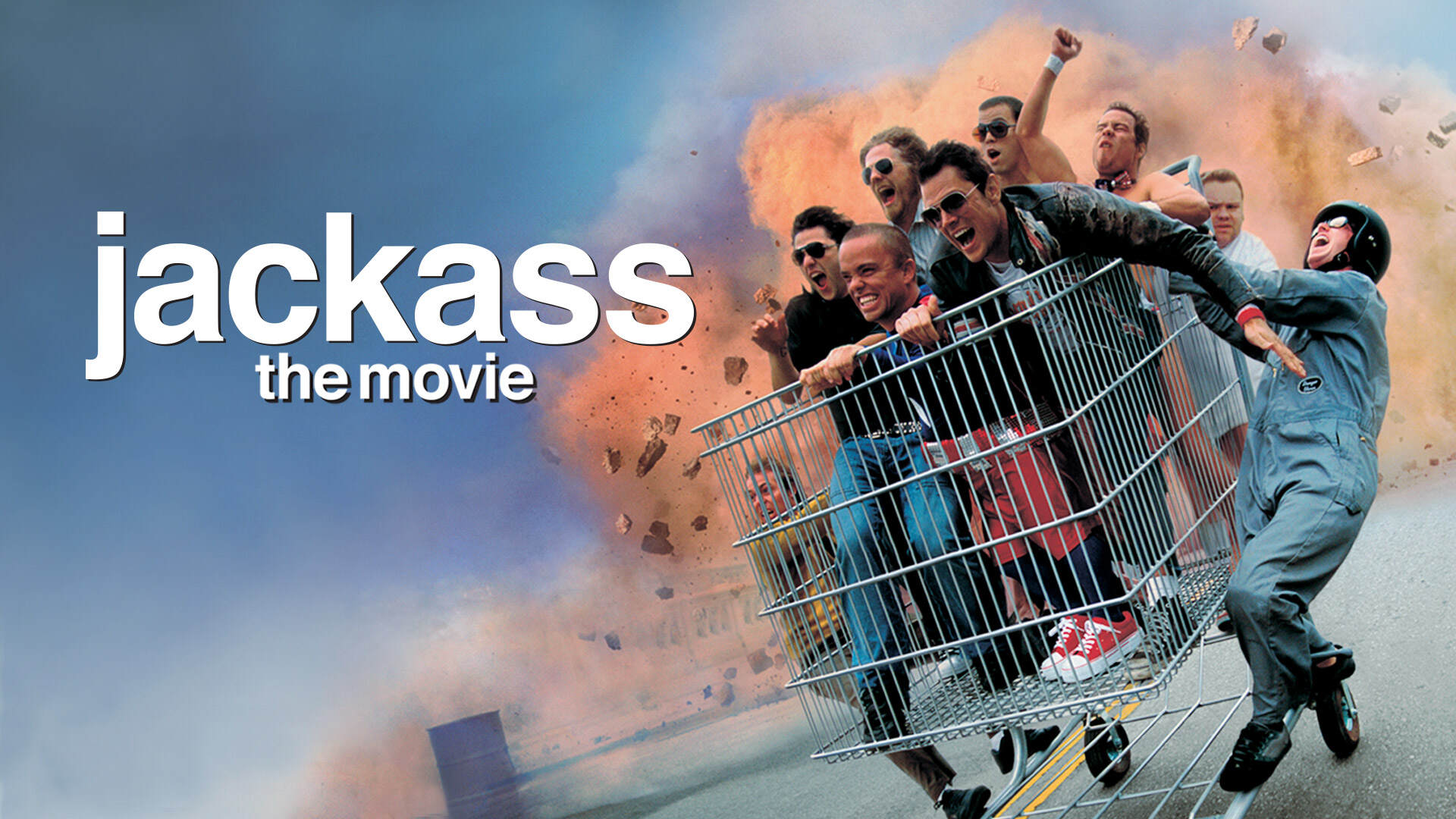
When MTV's Jackass exploded onto television screens in 2000, it launched a chaotic era of low-budget pranks, extreme stunts, and genuine physical danger. Decades later, the cultural footprint of the franchise remains massive, but the unfiltered aftermath of that final chapter reveals a reality far removed from the youthful mayhem of early seasons. The core crew grew older, faced severe injuries, navigated public personal struggles, and transitioned into vastly different phases of life.
Understanding what happened after the cameras stopped rolling requires looking past the clickbait and examining the actual lives of the people behind the stunts. While the franchise proved that camaraderie could survive broken bones, it also highlighted the heavy physical and emotional toll exacted by a brand built entirely on self-inflicted trauma.
The Physical Reality of the Stunt Legacy
The primary driver of the original show's success was simple: total commitment to physical absurdity. However, performing high-impact stunts for decades leaves a permanent mark. Medical bills and chronic injuries accumulated long after production wrapped on major installments like Jackass Forever.
Cast members have spoken openly about how recovery times changed dramatically as they aged into their late forties and fifties. Bones that once bounced back after a skate ramp wipeout began requiring lengthy surgeries and physical therapy. This stark biological shift forced the group to rethink what kind of physical comedy was sustainable, ultimately drawing a hard line on the type of stunts they could safely execute.
Where Key Cast Members Stand Now
The core members of the crew went down distinct paths after stepping away from the daily routine of coordinated chaos.
Johnny Knoxville shifted his focus toward traditional acting, producing, and unexpected pop culture detours, including a memorable stint in the WWE ring. Rather than resting entirely on his legacy as the group's de facto leader, he expanded into documentary work and mainstream media projects.
Steve-O took a completely different route, turning a public battle with substance abuse into a platform for long-term recovery and advocacy. Having maintained sobriety for many years, he built a massive digital presence through independent comedy tours, active YouTube channels, and successful long-form podcasting, distancing himself from the reckless stunts of his youth while retaining his signature humor.
Other members found stability in niche businesses and alternative creative outlets. Jason "Wee Man" Acuña turned his pop culture recognition into successful entrepreneurial ventures, investing in food franchises and skateboarding projects. Meanwhile, veterans like Chris Pontius, Dave England, and Preston Lacy continue to make selective media appearances, maintaining the underlying network of friendships that first formed on cable television.
Tragedies and Personal Turmoil
No examination of the franchise's aftermath is complete without addressing the darker chapters that tested the group's bond. The accidental death of Ryan Dunn in 2011 remains the most profound loss in the community, deeply affecting both the cast and the global fan base. It served as a sobering reminder of the real-world dangers associated with high-speed recklessness outside of a controlled production environment.
Additionally, public struggles with addiction and mental health affected members like Bam Margera, whose turbulent relationship with the rest of the crew played out across public headlines and legal disputes over the years. Navigating recovery in the public eye proved exceptionally difficult, though recent reports highlight personal milestones and renewed commitments to health and skateboarding.
The Next Generation and the Franchise Legacy
When the production team revived the brand for later cinematic outings, they introduced a fresh batch of cast members to inject new energy into the dynamic. Bringing in performers like Rachel Wolfson and Sean "Poopies" McInerney proved that physical comedy could find an audience with a younger demographic.
Ultimately, the unfiltered aftermath of the franchise isn't defined by a single tragedy or a permanent decline. Instead, it represents the complex aging process of a tight-knit counterculture group that accidentally captured global mainstream attention. They pushed boundaries, paid a heavy physical price, and transitioned into adulthood largely on their own terms.
Frequently Asked Questions
Are there any plans for a new Jackass movie?
The cast has largely indicated that feature-length stunt films are behind them due to the physical toll and recovery times required. While various members still collaborate on digital content and independent projects, a major theatrical sequel is unlikely.
How did the cast members stay friends after all these years?
Shared trauma, genuine affection, and decades of history kept the core group connected. Even when individual members faced severe personal conflicts or public fallouts, many maintained long-standing bonds forged during the early days of MTV.
What happened to the injured cast members over the years?
Most accumulated significant orthopedic injuries, ranging from chronic back pain to severe concussions and broken bones. Modern medical treatments and physical therapy helped many manage long-term damage, though a few still deal with lingering physical limitations.
Why wasn't every original member included in the final movies?
Creative differences, personal health struggles, and contractual disputes occasionally led to exclusions or departures during production cycles, reflecting the complicated interpersonal dynamics of a large, high-stress ensemble cast.



