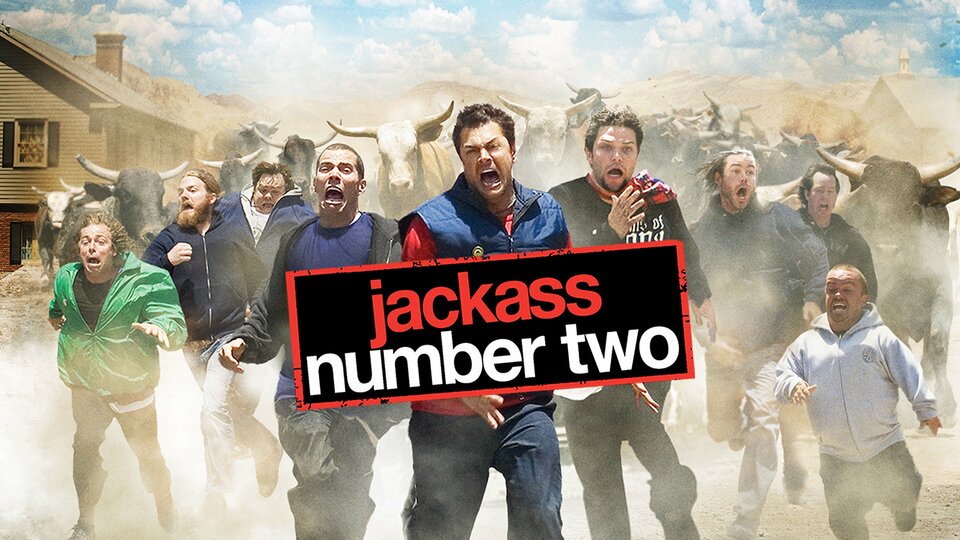
When a group of skateboarders, slackers, and stunt misfits brought their home-video antics to MTV in 2000, nobody predicted they would invent a cinematic subgenre. The original Jackass cast didn't just shock audiences; they built an enduring pop culture footprint defined by pure physical comedy, utter vulnerability, and an oddly protective bond. Over two decades later, their trajectory spans tragic losses, profound personal redemption, and a continued defiance of aging. Looking past the low-brow reputation, the true legacy of these performers reveals a masterclass in modern physical theater and resilient male friendship.
Understanding this cultural staying power requires looking at how these performers transformed pain into art. While critics initially dismissed the show as dangerous idiocy, the core members operated with a distinct sense of theatrical timing, channeling Buster Keaton and Laurel and Hardy through the filter of skate punk subculture. They weren't just taking hits; they were redefining what it meant to perform comedy through absolute bodily surrender.
The Roots of the Chaos: How the Crew Assembled
Long before feature films and box office records, the Jackass cast came together through distinct countercultural veins. Johnny Knoxville, then an aspiring actor desperate for a breakout, pitched the idea of testing self-defense equipment on himself to Big Brother skateboard magazine. Editor Jeff Tremaine, future director Spike Jonze, and Knoxville combined forces, pulling in talent from skate videos and underground scenes.
This blend wasn't manufactured by a network executive. It was organic and deeply flawed:
- The Skaters: Bam Margera, Ryan Dunn, and their West Chester crew brought an established dynamic of elaborate pranks and suburban skate culture.
- The Daredevils: Knoxville and Ehren McGhehey specialized in direct, high-pain concepts.
- The Wildcards: Steve-O (Stephen Glover) and Chris Pontius added circus-level unpredictability and absolute disregard for personal dignity.
- The Everymen: Dave England, Preston Lacy, and Jason "Wee Man" Acuña grounded the chaos with physical contrasts and deadpan reactions.
This chemistry created an unfiltered environment. Viewers didn't just watch stunts; they watched genuine reactions between friends who loved pushing each other past safe boundaries.
Tragedy, Sobriety, and Resilience
You can't discuss the legacy of the original crew without confronting the darker chapters. The relentless nature of their lifestyle, combined with the personal demons of several members, tested the foundation of the group. Substance abuse nearly claimed Steve-O's life before an intervention by his castmates in 2008 forced a hard reset. His subsequent journey into long-term sobriety stands as one of the most remarkable redemption arcs in modern entertainment.
The group also suffered profound heartbreak. The death of Ryan Dunn in a 2011 car crash left an irreplaceable void in the ensemble and deeply affected the surviving members. Johnny Knoxville has frequently noted that the shadow of that loss remains with them.
When the crew reunited for subsequent cinematic installments, including Jackass Forever and later anniversary projects, the tone shifted noticeably. The relentless cruelty of early pranks matured into a celebration of survival. Watching men in their late forties and fifties launch themselves into the air isn't just funny anymore; it's a testament to enduring camaraderie.
Redefining Masculinity Through Absurdity
Cultural critics often point out that the Jackass enterprise quietly subverted traditional notions of macho posturing. In a media landscape dominated by hyper-aggressive, invulnerable action heroes, the cast leaned entirely into vulnerability. They wept, hugged, kissed, laughed at themselves, and stripped away their egos on camera.
There was no room for toxic pride when you were wearing a panda costume or letting an alligator snap at your trousers. This emotional honesty resonated deeply with generations of fans. The affection between members was always transparent, creating a blueprint for male bonding that valued emotional expression alongside juvenile stupidity.
Frequently Asked Questions
Did the original cast members perform their own stunts?
Yes. With very rare exceptions involving specialized professional coordination, the core ensemble performed every single stunt, hit, and animal encounter themselves.
How did the cast maintain their friendships despite the intense friction?
Shared trauma, decades of history, and an unspoken code of mutual respect kept them bonded. Even when external disputes or legal friction occurred, the core group maintained a shared history that transcended ordinary Hollywood relationships.
Are all original members still active in entertainment?
Most remain active in various capacities. While some members transitioned heavily into podcasting, independent film production, or touring, others continue to participate in anniversary projects and media appearances.
What impact did Jackass have on modern internet culture?
The franchise essentially birthed the modern creator-led stunt and prank culture. Long before platforms like YouTube and TikTok made DIY video content ubiquitous, the Jackass crew proved that unfiltered, high-risk, unscripted camaraderie could command global audiences. You can explore more about media history and film preservation via the Library of Congress.



