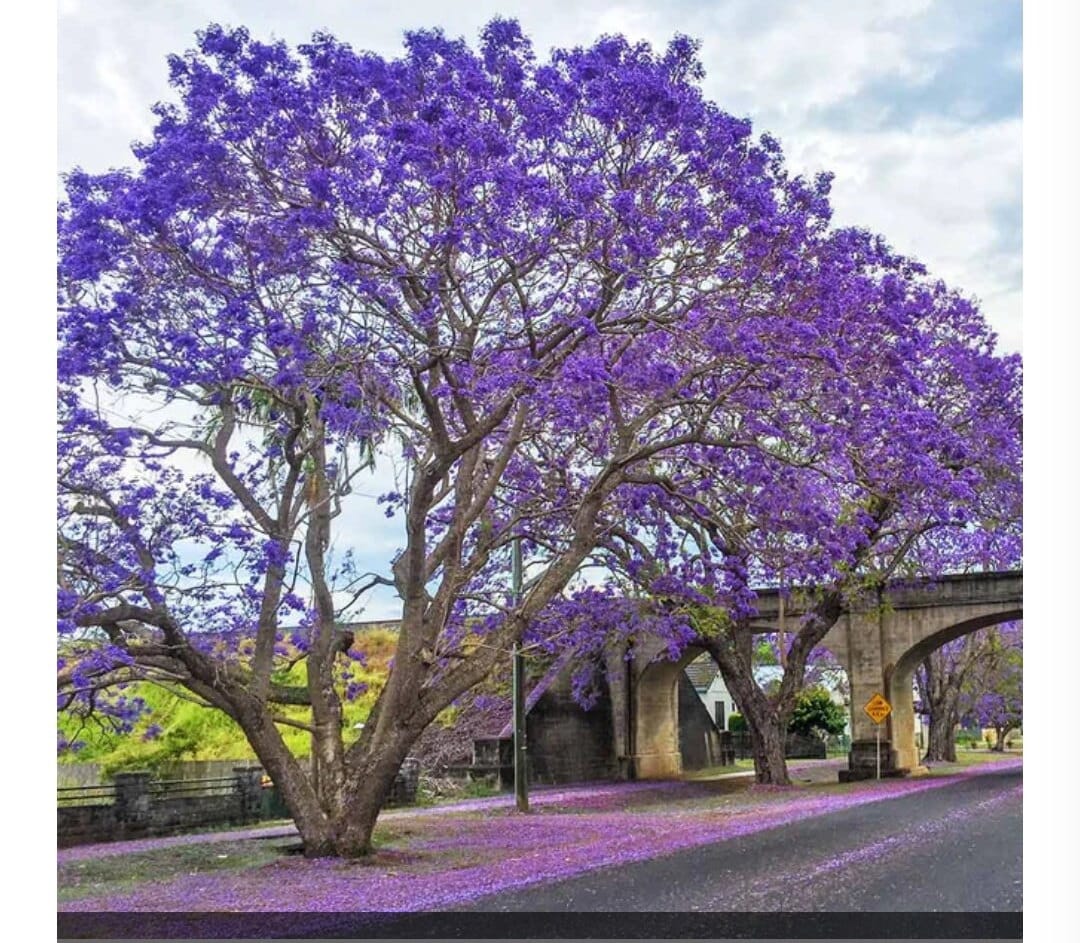
When late spring arrives in Argentina, over fifteen thousand vibrant trees transform concrete avenues into violet corridors. If you want to witness this natural spectacle, knowing the exact timing changes everything. Jacaranda bloom time in Buenos Aires generally peaks from mid-November through early December, though early blossoms can appear as early as October.
Planning your trip around this narrow window requires more than just booking a flight to Buenos Aires Tourism. Weather patterns dictate whether the purple canopy lasts for weeks or gets knocked down early by sudden summer storms. Let's break down when to go, where to find the densest displays, and how to avoid the common pitfalls travelers make when chasing these iconic blooms.
Understanding the Jacaranda Bloom Timeline
The transition from spring to summer in the Southern Hemisphere triggers the explosion of color. You won't see the same progression every year, because temperature swings dictate how fast the buds open.
- Mid-to-Late October: The first wave begins. Individual trees in warmer microclimates start showing pale violet petals, contrasting against the gray urban backdrop.
- November: Peak season arrives. The city reaches maximum saturation. Trees drop purple carpets onto sidewalks, and the blossoms are at their thickest and most vibrant.
- Early December: The final phase. While many trees still hold color, green leaves begin overtaking the blossoms, and heavy seasonal winds start blowing the petals away.
Rain is the ultimate wild card. A heavy downpour combined with wind can strip a street of its purple canopy in a single afternoon. If you're building an itinerary specifically for photography, schedule your walks during the first two weeks of November to secure the best views before the weather turns unpredictable.
Best Neighborhoods and Streets for Viewing
You don't need to hunt for hidden groves to see these trees because they line major thoroughfares across the capital. However, certain districts feature intentional landscaping that maximizes the visual impact.
Palermo and Bosques de Palermo
The parks of Palermo offer sprawling green lawns framed by massive, mature jacarandas. Walk around the Rosedal (Rose Garden) or head toward Avenida Figueroa Alcorta. The scale of the trees here dwarfs pedestrians, creating wide tunnels of violet overhead.
Recoleta and Plaza Francia
Recoleta blends French-style architecture with native flora in a striking way. Head straight to Plaza Francia or the paths curving past the Recoleta Cemetery. The contrast between historic white stone facades and deep purple blossoms makes this one of the most photographed zones in the city.
Retiro and Plaza San Martín
Plaza San Martín boasts some of the oldest and thickest jacaranda trunks in Buenos Aires. Because the park sits on a slope, you get unique elevation angles for photography, looking down through fields of purple toward the bustling transit hubs below.
Avenida 9 de Julio and Diagonal Norte
For a purely urban backdrop, stand near the Obelisk or walk up Diagonal Norte toward Plaza de Mayo. The wide avenues force your gaze upward against towering skyscrapers, showing how seamlessly nature integrates into Argentina's dense capital.
Photography Tips for Capturing the Purple Canopy
Shooting urban flora presents unique challenges, especially when harsh midday sunlight washes out delicate petal textures.
- Catch the golden hour: Shoot during the first hour after sunrise or the last hour before sunset. The warm light cuts through the purple tones and avoids harsh shadows on the pavement.
- Use the fallen petals: Don't just point your camera up. The thick carpets of dropped blossoms on park benches and car windshields make for striking, intimate composition details.
- Incorporate contrast: Frame your shots with historic iron lampposts, red brick facades, or classic yellow Buenos Aires taxis to make the purple pop out of the frame.
- Watch your exposure: Bright concrete mixed with dark violet flowers can trick camera meters. Underexpose slightly by a third of a stop to preserve the rich purple saturation without blowing out the highlights.
Common Mistakes to Avoid
Travelers often stumble into a few predictable traps when trying to experience this seasonal shift. Avoid these missteps to keep your trip stress-free.
- Waiting too long: Booking a trip for late December means you will likely miss the peak entirely. Stick strictly to November.
- Ignoring footwear: When jacarandas drop their blossoms, the wet carpet of petals on sidewalks can become surprisingly slick. Leave smooth-soled dress shoes behind when walking through parks.
- Expecting uniform blooms: Not every tree blooms at the exact same time. One block might look like a solid purple tunnel while the next block over is still entirely green. Keep moving and explore multiple neighborhoods.
Frequently Asked Questions
Are jacarandas native to Buenos Aires?
No. While they have become an absolute symbol of the city, jacarandas (Jacaranda mimosifolia) are native to northwestern Argentina, Bolivia, and parts of Brazil. French landscape architect Charles Thays championed their widespread planting across Buenos Aires public spaces during the late 19th and early 20th centuries.
Do jacarandas bloom twice a year?
The primary and most intense bloom happens in late spring (November). Occasionally, mild weather triggers a very weak, scattered secondary bloom in late summer or early autumn, but it doesn't compare to the explosive color of November.
What is the weather like in Buenos Aires during November?
November brings comfortable early-summer warmth. Daytime temperatures typically hover between 22°C and 27°C (72°F to 81°F). Pack light layers, breathable clothing, and comfortable walking shoes because you will spend most of your time exploring on foot.
Are there guided tours focused on the jacarandas?
While formal year-round tours might not focus exclusively on the trees, the city government often organizes free walking tours highlighting urban flora and historic parks during peak November weeks. Check the official city tourism portal for seasonal event schedules before you arrive.



