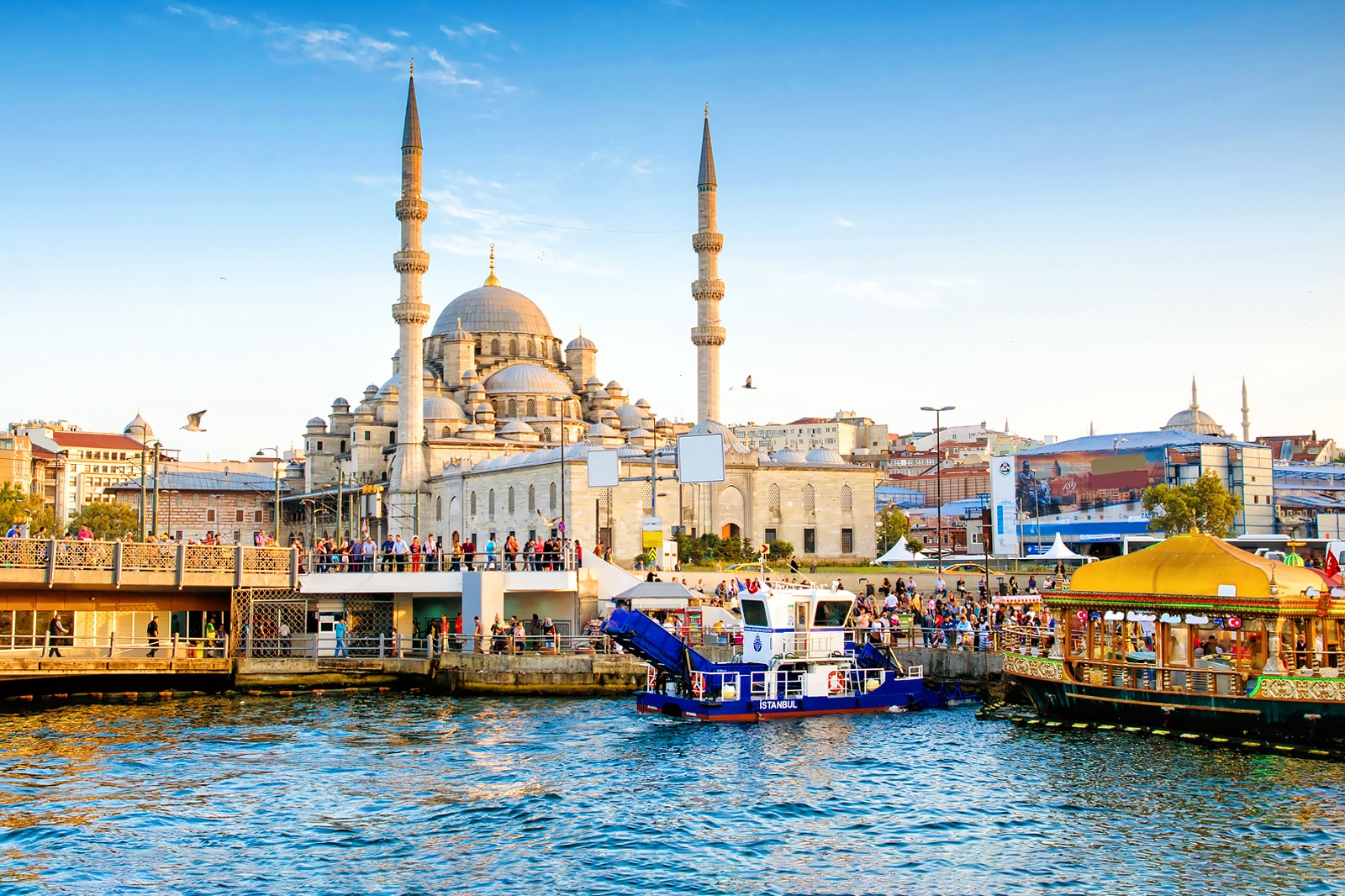
November brings a distinct seasonal shift to Istanbul, trading the warm crowds of summer for crisp air, fewer tourists, and frequent rain showers. Daytime highs hover around 16°C (61°F) early in the month, sliding down closer to 12°C or 14°C by week four, while overnight lows settle near 9°C (48°F). If you're planning a trip, expect a mix of bright, cool walking days and sudden downpours driven by chilly winds off the Marmara Sea and the Bosphorus.
Preparing for this transiting shoulder season requires strategic layering rather than heavy arctic gear. Because the city spans steep hills and open coastal waters, wind chills can make 14°C feel much colder when you're crossing the Galata Bridge or exploring the uncovered courtyards of Topkapi Palace.
Temperature Breakdown Across the Month
The month splits into two distinct weather phases. Early November often holds onto lingering autumn warmth, treating visitors to mild afternoons well-suited for long walks through Sultanahmet or the backstreets of Beyoğlu. By the middle of the month, humidity climbs, gray skies become common, and the wind picks up momentum.
- Early November (Days 1–15): Daytime highs average 16°C to 17°C, with nights cooling to around 11°C. You can frequently manage with just a light sweater or a denim jacket during the afternoon.
- Late November (Days 16–30): Highs drop toward 13°C or 14°C, and nighttime lows routinely touch 7°C to 8°C. A genuine wool coat or a windproof insulated jacket becomes necessary for evening outings.
Wind is an active element throughout November. Gusts sweep across the strait regularly, meaning outdoor sightseeing demands a wind-resistant outer layer to stay comfortable during ferry rides between Europe and Asia.
Rainfall and Daylight Hours
Rain is the defining variable of a late-autumn trip to Turkey's largest metropolis. You can anticipate roughly ten wet days spread across the month, usually arriving in the form of sudden passing showers or steady half-day drizzles. Total monthly precipitation averages around 70 mm, which is higher than the dry summer months but manageable if you pack properly.
Daylight shortens noticeably as the month progresses. By late November, the sun rises around 7:40 AM and sets sharply near 5:15 PM, giving you roughly ten hours of daylight. Sightseers need to front-load outdoor monuments and historic sites into the morning and early afternoon hours before darkness and chill descend on the city.
What to Pack for Istanbul in November
Packing for this transitional climate means prioritizing versatility over bulk. Heavy winter parkas are overkill, but summer fabrics will leave you shivering.
- Footwear: Bring two pairs of comfortable, water-resistant walking shoes. Istanbul's historic cobblestones and steep hills become slick instantly when wet.
- Outerwear: Pack a windproof and water-resistant mid-length jacket or trench coat with a hood.
- Layers: Include a mix of breathable cotton shirts, thermal base layers, and fleece or wool sweaters that you can easily shed when stepping into crowded, heated indoor spaces like the Grand Bazaar.
- Accessories: A compact travel umbrella is essential, alongside a durable scarf and light gloves for chilly evening ferry crossings.
How Weather Affects Sightseeing Strategy
Milder temperatures make November one of the most comfortable times of year for walking miles across the city without exhaustion, provided you dodge the rain. Historic interiors like the Hagia Sophia, the Basilica Cistern, and the Istanbul Archaeology Museums offer perfect dry retreats when downpours hit.
Outdoor spots require flexibility. Keep a indoor backup plan ready for each day, such as exploring the covered passages of the Spice Bazaar or stopping for Turkish tea in a historic caravanserai when the weather turns sour. Ferries still run regular schedules across the Bosphorus, though upper open-air decks empty out quickly once the autumn winds kick up.
Frequently Asked Questions
Can you swim in Istanbul in November?
No. Sea temperatures drop to around 17°C (63°F) early in the month and cool further, making swimming strictly unadvisable except for the hardiest locals.
Does it snow in Istanbul during November?
Snow is exceptionally rare during November. While temperatures occasionally dip low at night, true winter snowfall usually holds off until January or February.
How crowded are major tourist attractions?
Crowds drop drastically compared to the spring and summer peaks. You'll encounter much shorter lines at major landmarks like Topkapi Palace and Dolmabahçe Palace, giving you a much more relaxed visitor experience.
Are outdoor cafes still open?
Yes, many cafes along the Bosphorus and in trendy neighborhoods like Karaköy keep their outdoor seating open, equipped with powerful overhead heaters and cozy plaid blankets for patrons.


