January in Istanbul means crisp air, fewer crowds at major historical sites, and winter conditions shaped by the city's unique position between two seas. Daytime high temperatures hover around 9°C to 10°C (48°F to 50°F), while nighttime lows drop down to 3°C to 5°C (37°F to 41°F). You'll encounter frequent rain showers and occasional wind blowing off the Bosphorus, though heavy snow is far from guaranteed every year.
Visiting during this winter month requires a realistic packing strategy and an itinerary that balances outdoor sightseeing with cozy indoor retreats.
Temperature Breakdown and Daily Conditions
Understanding how winter behaves across the month helps set realistic expectations for your trip. January is historically one of the coldest and wettest months of the year in this region, but freezing arctic blasts are the exception rather than the rule.
Days are short, with daylight lasting roughly 9 hours—typically breaking around 8:30 AM and fading before 5:45 PM. Sunlight is limited, yielding around 68 hours of total sunshine for the month, meaning you should expect overcast or grey skies on most days.
- Daytime Highs: Usually reach 9°C or 10°C. On rare mild afternoons, temperatures might push toward 15°C, offering comfortable walking weather if you're active.
- Nighttime Lows: Settle around 3°C to 5°C. Clear nights can feel biting, especially near the water.
- Winds: Strong gusts are common, particularly across the Bosphorus Strait and open elevated plazas, which can make the air feel colder than the thermometer indicates.
Rain, Snow, and Coastal Elements
Moisture defines the winter climate here. Rainfall is spread across roughly 12 to 15 wet days during the month, totaling about 90 to 110 mm overall. Showers are often light to moderate rather than torrential, but damp conditions will follow you throughout the city.
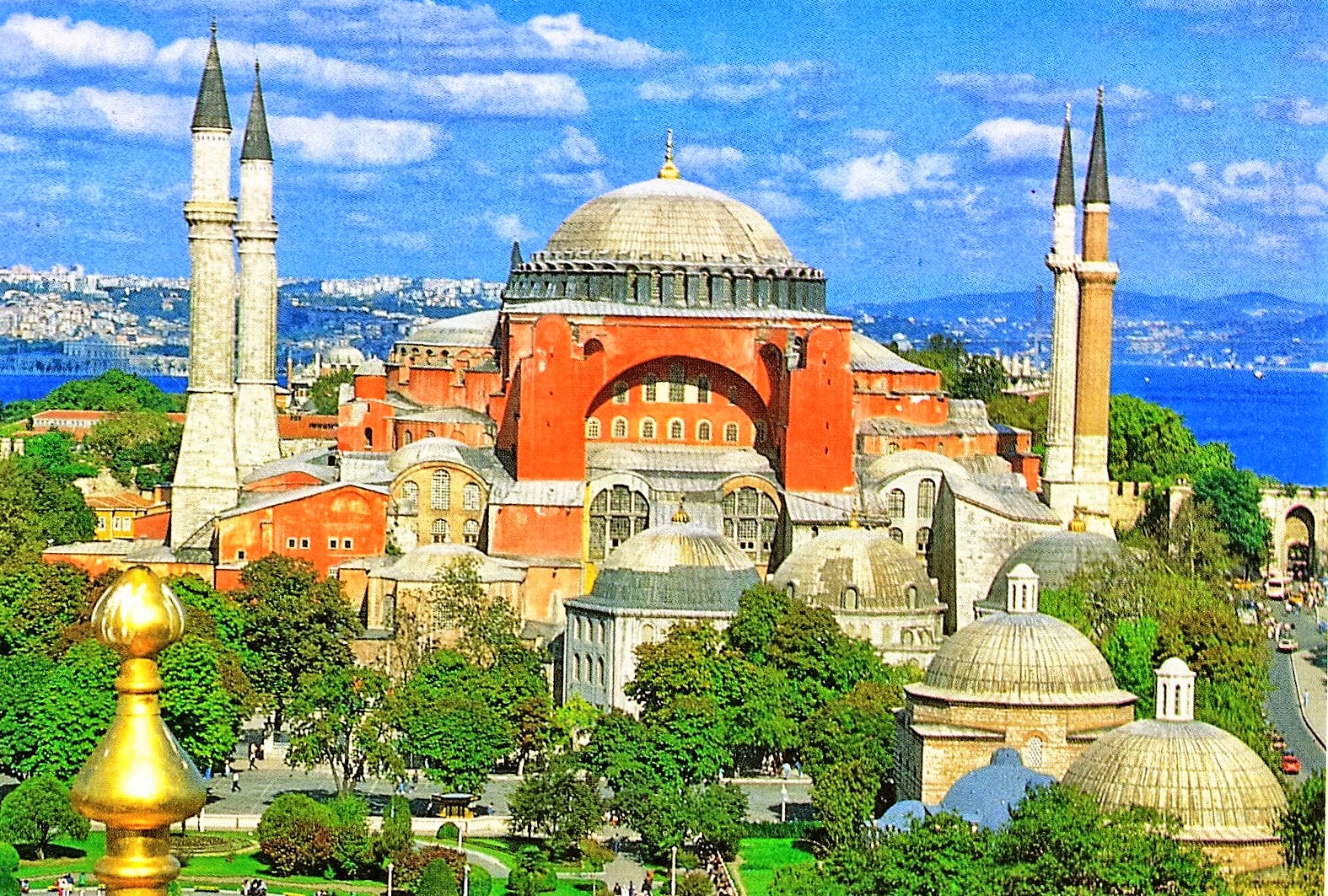
Snow does happen, but it rarely sticks around for long. You might catch a dusting or a brief flurrying snow squall, but major paralyzing snowstorms occur only in specific years. If snow does blanket the minarets of the Hagia Sophia or the courtyards of Topkapi Palace, the city transforms into a quiet, striking landscape.
The sea temperature sits around 9°C to 10°C, making swimming entirely out of the question unless you're participating in an organized polar bear plunge. Coastal walks offer dramatic views of grey, churning waves, but you'll want a heavy windbreaker to stay comfortable.
Essential Packing List for January
Packing for Istanbul in winter comes down to layers and protection against wind and water. Because you'll transition between heated indoor museums and chilly outdoor streets, heavy sweaters alone won't cut it.
- A Windproof and Waterproof Coat: Skip the light fashion jacket. You need a sturdy coat that blocks cold gusts off the water and handles persistent rain.
- Layering Basics: Pack thermal base layers, cotton long-sleeve shirts, and wool sweaters. Layers let you adjust quickly when stepping inside crowded indoor spaces or public transit.
- Sturdy Footwear: Wet cobblestones around Sultanahmet become slick. Bring comfortable, waterproof walking shoes or boots with good traction.
- Accessories: A warm beanie, gloves, and a sturdy scarf are non-negotiable for evening walks. Bring a compact travel umbrella, though a windproof coat with a hood is often more reliable against sudden gusts.
Benefits of Visiting in January
While the weather requires preparation, the winter season brings major advantages that summer travelers miss entirely.
Tourism volume drops dramatically compared to peak months. You can walk straight up to ticket windows at major landmarks like the Basilica Cistern, the Blue Mosque, and Dolmabahçe Palace without enduring hours-long queues. Accommodation rates also dip significantly, making it much easier to secure boutique hotels in prime neighborhoods like Beyoğlu or Sultanahmet at a fraction of summer prices.
The city's culinary culture shines brightest in cold weather. Local spots serve piping hot glasses of çay (Turkish tea), roasted chestnuts (kestane) sold from street carts, and hearty comfort foods like lentil soup or slow-cooked stews.
Frequently Asked Questions
Does Istanbul shut down or experience transit disruptions in January?
No. Standard city life, ferries, trams, and businesses operate normally. Ferries across the Bosphorus keep running, though extreme wind storms can occasionally cause temporary cancellations. Check local updates if gale-force winds are forecasted.
Are indoor attractions warm enough?
Major museums, mosques, and historical sites are heated, but large stone structures like ancient cisterns or parts of palaces retain a chill. Dress in layers so you can peel off your heavy coat indoors.
Is it too dark or gloomy to enjoy photography?
While sunny blue skies are scarce, the winter light can create moody, atmospheric photography conditions. Mist over the Bosphorus and dramatic cloud formations over the city's historic skyline offer a unique aesthetic that summer tourists rarely see.
Can I rely on outdoor dining in January?
Most rooftop terraces and outdoor garden cafes close or pull out heavy plastic enclosures with outdoor heaters. While some cafes accommodate brave diners outside with blankets, most locals prefer cozy indoor seating.


