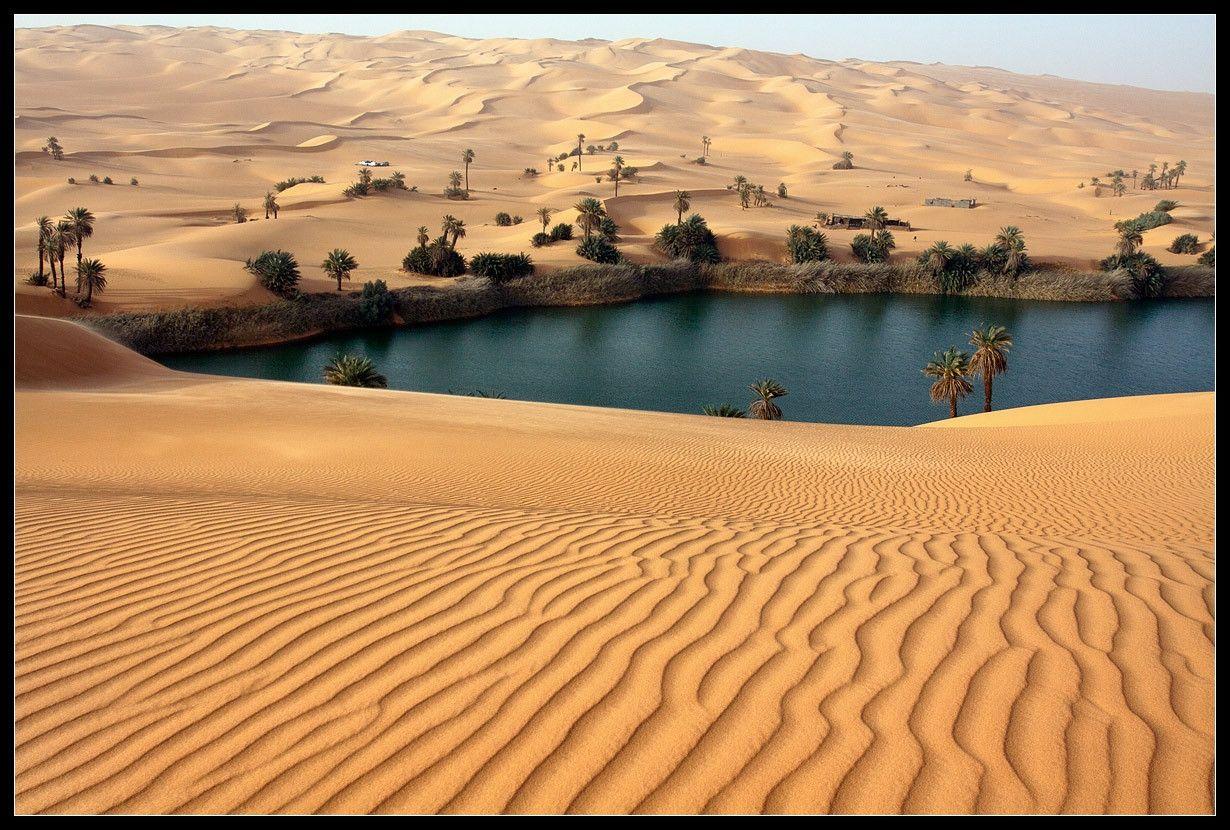
Israel's geography packs an extraordinary range of environments into a remarkably compact area. Within a few hours of driving, you can move from lush alpine slopes and rushing northern waterfalls to deep, Martian-like desert craters and the lowest hyper-saline lake on earth. Over 400 protected nature reserves and national parks safeguard these distinct ecosystems, offering travelers a chance to experience complex geological formations and rich biodiversity firsthand.
If you want to move beyond the urban centers and holy shrines to see the country's wild side, understanding how to navigate these landscapes matters. This guide breaks down the top natural wonders, seasonal logistics, and practical planning steps required to explore the terrain safely and efficiently.
The Dead Sea and Judean Desert Oasis
At more than 430 meters below sea level, the Dead Sea forms the lowest land elevation on Earth. The extreme salinity—roughly 9.5 times saltier than the ocean—makes sinking impossible, allowing visitors to float effortlessly on the mineral-rich water.
Just steps away from the shoreline, the surrounding Judean Desert hides striking freshwater canyons. Ein Gedi Nature Reserve serves as the premier oasis in this arid region, featuring year-round streams like Wadi David and Wadi Arugot. Spring-fed waterfalls cascade down limestone cliffs, supporting lush vegetation and populations of Nubian ibex and rock hyraxes. To understand the complete picture, check out the recent analysis by Lonely Planet.
Planning Your Visit to the Dead Sea Area
- Timing: Avoid summer afternoons when temperatures regularly exceed 40°C (104°F). Visit Ein Gedi right when gates open at 8:00 AM.
- Safety: Never submerge your head in the Dead Sea; the high salt content causes severe eye irritation. Drink plenty of fresh water, as the dry heat accelerates dehydration quickly.
- Logistics: Public buses run from Jerusalem and Beersheba, but renting a car provides the flexibility needed to combine a morning hike at Ein Gedi with an afternoon float at a managed public beach.
Makhtesh Ramon: The Negev Desert Crater
Often mistaken for a meteor crater, Makhtesh Ramon is a unique geological phenomenon known as an erosion box or makhtesh. Located near the town of Mitzpe Ramon, this massive basin measures 40 kilometers long and 10 kilometers wide, exposing millions of years of geological history through colored sandstone layers, fossilized ammonites, and volcanic remnants.
Unlike typical valleys carved by rivers from the outside, a makhtesh forms when soft rock layers beneath hard limestone are drained by a single outlet river, causing the surface to collapse inward. The arid climate and lack of light pollution also make the rim of the crater one of the best stargazing spots in the Middle East.
Key Activities in Makhtesh Ramon
- Hiking the Ammonite Wall: A short, accessible trail packed with well-preserved prehistoric fossils embedded in the rock face.
- Descent into the Crater: Trails like the Mount Ardon ascent offer challenging day-long hikes across the crater floor.
- The Alpaca Farm: A unique local attraction on the crater edge that appeals to families and travelers looking for localized agritourism.
The Waterways and Forests of the North
Moving north flips the script entirely. The Upper Galilee and Golan Heights feature dense forests, rushing rivers, and volcanic tablelands.
The Banias Nature Reserve protects one of the primary sources of the Jordan River. Here, water surges from a cave formerly dedicated to the Greek god Pan, feeding the Banias Waterfall—the highest waterfall in the country. Visitors can walk along a suspended steel boardwalk that hugs the cliffside, keeping the fragile riparian ecosystem intact while providing close-up views of the roaring current.
Further west, Mount Carmel National Park preserves a dense Mediterranean woodland ecosystem near Haifa. Deep limestone caves along the western slopes, such as Tabun and El Wad, contain archaeological records spanning half a million years of human evolution, earning the area recognition as a UNESCO World Heritage Site.
Essential Practical Tips for Outdoor Exploration
Exploring Israel's natural sites requires attention to local weather patterns and regulations.
- Water Management: Dehydration is the primary risk on southern trails. Carry a minimum of three to four liters of water per person for desert day hikes.
- Flash Flood Dangers: During winter and early spring (November to March), sudden flash floods sweep through desert wadis following rainstorms miles away. Always check weather forecasts before entering dry canyons like Ein Avdat or Wadi Qelt.
- Park Reservations: Popular national parks managed by the Israel Nature and Parks Authority frequently require advance online booking, particularly during Jewish holidays and spring break seasons.
Frequently Asked Questions
When is the best time of year to visit Israel's nature reserves?
Spring (March to May) and autumn (September to November) offer the most comfortable temperatures across both northern forests and southern deserts. Wildflowers peak across the Galilee and Negev during March. Summer is manageable in the northern mountains and along the coast, but dangerously hot in the Jordan Valley and southern deserts.
Are hiking trails well-marked?
Yes. Israel features an extensive system known as the Israel Trail marker system—consisting of three stripes (orange, blue, and white). Sticking strictly to marked paths is mandatory to protect fragile habitats and avoid closed military training zones or historical minefields in border regions.
Can I travel between northern nature reserves and southern deserts using public transit?
While buses connect major cities like Tel Aviv, Haifa, and Jerusalem efficiently, rural nature reserves, trailheads, and desert craters have limited bus frequencies. Renting a vehicle is strongly recommended for travelers planning to visit multiple natural sites in a single itinerary.
Do I need permits to camp in national parks?
Dispersed camping outside designated areas is generally restricted. The Israel Nature and Parks Authority operates official campgrounds with restrooms, water, and lighting at major sites like Achziv, Ashkelon, and Makhtesh Ramon, which require advance reservations.



