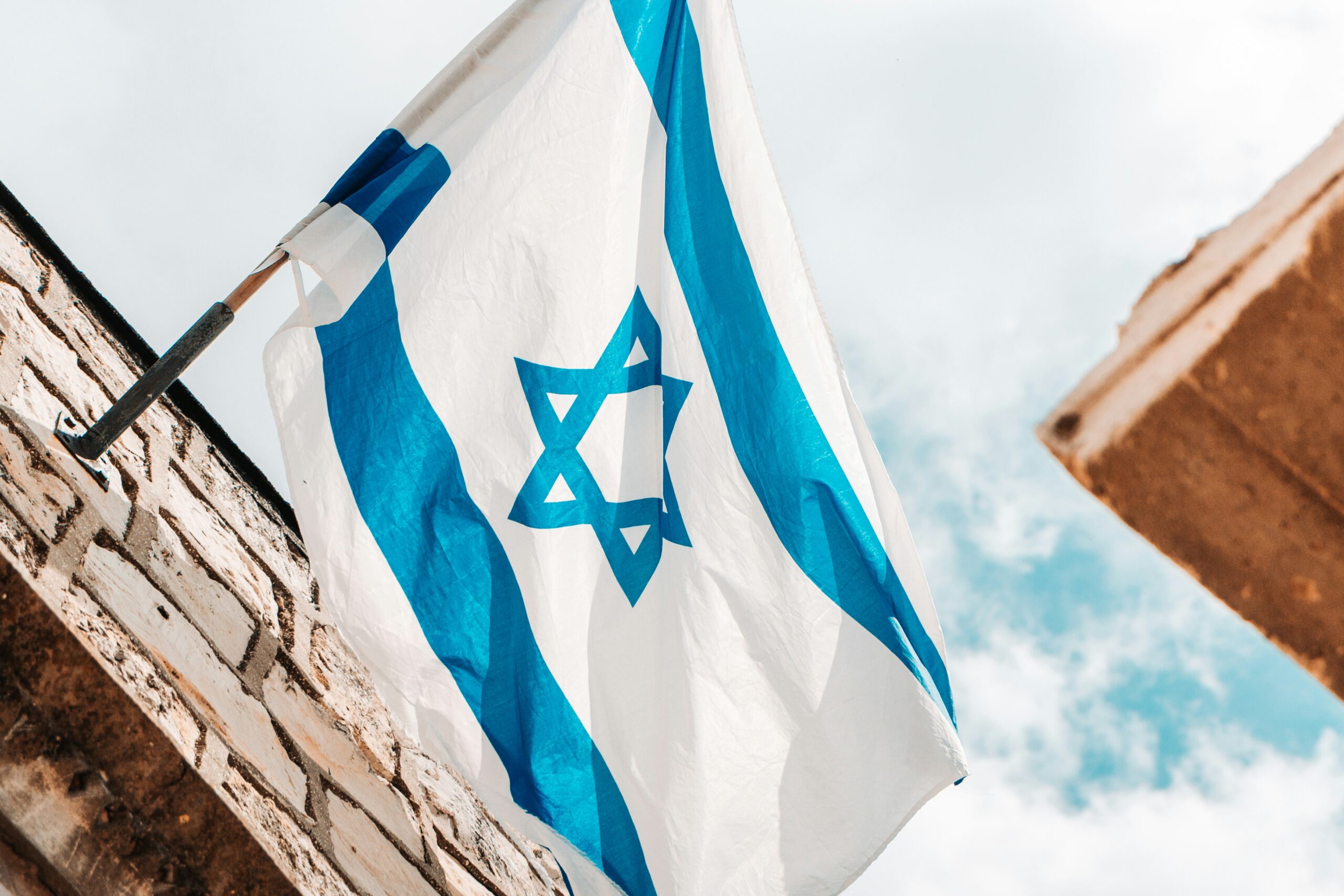
Israel sits at one of the most volatile geopolitical crossroads on earth. For decades, the nation has balanced strategic military dominance with a deeply contested international status. From historic peace treaties with immediate neighbors to friction with global institutions, Israel's foreign affairs define its survival. Understanding this intricate web requires looking past surface-level headlines to examine the real economic, security, and diplomatic factors at play.
The core of Israel's external challenge lies in a paradox. While the country maintains advanced technological, intelligence, and commercial ties with major Western democracies and select Asian markets, its regional integration remains uneven. Security cooperation with European partners and intelligence sharing with global superpowers run parallel to intense polarization at the United Nations and mounting friction across traditional Middle Eastern borders.
The Regional Dilemma: Neighbors and Regional Dynamics
Geographical proximity shapes how Israel interacts with the Middle East. While peace agreements signed decades ago with Egypt and Jordan established foundational state-to-state frameworks, public sentiment and cold peace realities often test those ties. These bilateral relationships are anchored heavily in shared security interests, intelligence coordination, and energy trade, even when popular opinion in Cairo or Amman remains deeply critical of Israeli policies.
The landscape shifted significantly with the historic Abraham Accords, which normalized ties with the United Arab Emirates, Bahrain, Morocco, and Sudan. These pacts opened commercial aviation, fintech partnerships, and joint technological ventures across the Gulf and North Africa. Trade volumes surged, proving that economic pragmatism could bypass decades of political stalemate. However, broader regional friction—particularly involving Iran and its regional proxies like Hezbollah in Lebanon—continues to test the resilience of these new diplomatic bridges.
The Northern Front and Turkey
Relations with non-Arab regional powers add another layer of complexity. Turkey, once a vital strategic and military partner for Israel in the eastern Mediterranean, has seen diplomatic ties deteriorate sharply through cycles of political rhetoric and shifting alliances. In response, Israel has deepened maritime and energy cooperation with Greece and Cyprus, forging a trilateral partnership focused on natural gas exploration, security exercises, and regional stabilization.
Global Standing: The Western Alliance and Multilateral Tensions
Beyond the Middle East, Israel's foreign policy relies heavily on its historic alliance with the United States. Washington provides critical diplomatic backing at the UN Security Council, alongside billions in military aid and joint defense development. This partnership acts as the primary pillar of Israel's national security architecture, ensuring qualitative military edge across multiple potential conflict zones.
At the same time, Israel's relationship with Europe is marked by a distinct duality. European nations are among Israel's largest trading partners, importing advanced medical devices, agricultural tech, and software. Yet, political friction with the European Union over settlement expansion and Palestinian statehood frequently strains diplomatic channels. European public opinion often shifts sharply during periods of active military escalation, leading to debates over trade agreements, arms restrictions, and international legal scrutiny.
International Organizations and Global Isolation
Multilateral bodies remain a hostile diplomatic arena for Israel. Resolutions criticizing Israeli policies pass routinely through the United General Assembly, and international courts frequently examine actions tied to the occupied territories. This dynamic fuels domestic debates within Israel regarding the risk of diplomatic isolation versus independent military action. Policymakers constantly weigh the cost of international censure against what they view as non-negotiable security requirements.
Economic Diplomacy and Soft Power
When traditional diplomacy hits roadblocks, Israel often relies on economic and technological soft power to maintain global relevance. The country's nickname as the "Startup Nation" is not just a marketing phrase; it is an active foreign policy tool.
- Water Technology: Arid nations across Africa, Asia, and Latin America purchase Israeli drip irrigation and desalination systems to combat severe drought.
- Cybersecurity: Governments and multinational corporations worldwide license Israeli intelligence and cybersecurity software to protect critical infrastructure.
- Agri-Tech: Collaborative research projects in developing economies help build quiet, pragmatic diplomatic channels where formal political recognition might otherwise stall.
These commercial ties create backchannels that bypass conventional political hostility. Nations that vote against Israel in international forums often maintain quiet, highly active trade and technological exchanges behind closed doors.
Common Misconceptions in Global Media
Analyzing Israel's foreign relations often suffers from oversimplification. Observers frequently misinterpret key aspects of how the country operates on the world stage.
- Monolithic Arab Opposition: People often assume the entire Middle East acts as a single bloc against Israel. In reality, Gulf nations, North African states, and immediate neighbors have vastly different economic motivations and threat perceptions, especially regarding Iran.
- Total Diplomatic Isolation: While Western media frequently highlights UN condemnations, Israel maintains robust, growing ties with rising global powers like India, alongside active diplomatic missions across South America and Eastern Europe.
- Independence from Foreign Aid: While Israel boasts a powerhouse domestic high-tech economy, critics and supporters alike often miscalculate the deep integration of U.S. defense manufacturing supply chains that sustain its long-term strategic readiness.
Frequently Asked Questions
What are the Abraham Accords and how did they change Israel's status?
The Abraham Accords are normalization agreements brokered in 2020 that established full diplomatic, economic, and tourism ties between Israel and the United Arab Emirates, Bahrain, and Morocco. They fundamentally shifted regional dynamics by proving that formal peace could occur without a prior resolution to the Israeli-Palestinian conflict.
Why is the relationship between Israel and the United States so critical?
The alliance provides Israel with a reliable veto on hostile UN Security Council resolutions, massive military aid, and joint intelligence sharing. For Washington, Israel serves as a stable, technologically advanced democratic anchor in a highly volatile region.
How does Israel maintain relations with countries that publicly criticize it?
Economic pragmatism and technological necessity often override political rhetoric. Countries that issue sharp diplomatic condemnations at the United Nations frequently continue purchasing Israeli water management technology, agricultural innovations, and cybersecurity products because viable alternatives do not exist at scale.
What role do Greece and Cyprus play in Israeli foreign policy?
As relations with Turkey cooled over the past decade, Israel formed a strategic energy and security axis with Greece and Cyprus in the eastern Mediterranean. This trilateral partnership focuses on joint military exercises, counter-terrorism, and plans to export offshore natural gas to European markets.



