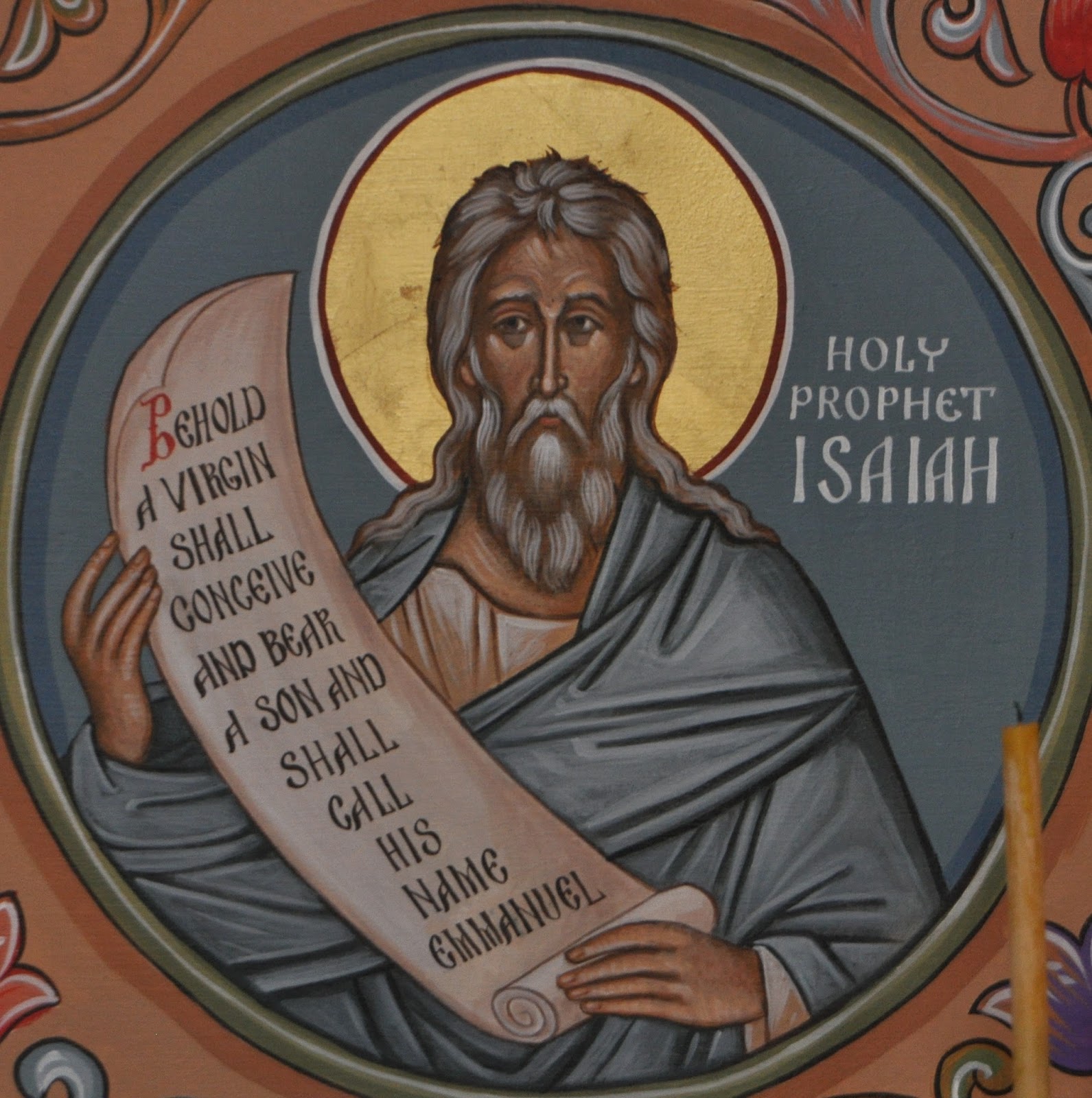
When life hits a dead end, people often look for anchors that offer genuine hope. Isaiah 43:19 in the English Standard Version serves as one of those vital anchors, declaring: "Behold, I am doing a new thing; now it springs forth, do you not perceive it? I will make a way in the wilderness and rivers in the desert." This verse speaks directly to anyone feeling stuck in a dry, barren season, promising that divine intervention isn't bound by past failures or current dead ends.
To understand why this promise carries such weight, you have to look beyond a superficial reading. This guide breaks down the historical context, examines the original Hebrew terms, addresses common misconceptions about personal application, and provides a clear FAQ section to deepen your study.
Historical and Literary Context of Isaiah 43
The prophet Isaiah delivered these words to the people of Judah during a period of immense national trauma. The historical backdrop centers on the Babylonian exile, when citizens were forcibly removed from Jerusalem and stripped of their homeland, their temple, and their political autonomy. They sat in a foreign land, surrounded by competing empires and foreign gods, wondering if God had abandoned them entirely.
The chapters leading up to verse 19 establish a legal courtroom motif. God puts the idols of Babylon on trial and demonstrates their absolute helplessness. Then, in Isaiah 43:1-7, God turns to His people with intimate reassurance. He reminds them of their identity, stating that when they pass through waters and fire, they won't be consumed because they belong to Him.
This background matters because the promise of a "new thing" isn't a generic motivational quote. It's a rescue plan addressed to a community that had completely lost hope of ever seeing home again. God wasn't offering a slight repair job on their current situation; He was announcing an unprecedented rescue operation.
Deconstructing Isaiah 43:19 ESV Word by Word
Examining the specific choices made in the English Standard Version alongside the underlying Hebrew text reveals the depth of the prophetic promise.
"Behold, I am doing a new thing"
The opening word behold functions as an ancient wake-up call, demanding attention. It tells the reader to stop looking backward at past mistakes or former glories and look at the present moment. The Hebrew term translated as new thing is chadashah, denoting something fresh, unprecedented, and qualitatively different from what came before. God isn't repeating history or recycling an old blueprint; He is initiating a brand-new reality.
"Now it springs forth, do you not perceive it?"
The verb spring forth evokes the sudden, vigorous emergence of a plant bursting through dry ground after a long winter season. It implies rapid, dynamic action rather than a sluggish, multi-decade process. The rhetorical question—do you not perceive it?—highlights a common human flaw. People often miss God's work because they expect Him to operate exclusively within familiar boundaries or traditional formats.
"I will make a way in the wilderness and rivers in the desert"
The geography here is entirely intentional. A wilderness lacks pre-existing roads; travellers must carve a path through hostile terrain. By stating I will make a way, the text shifts agency entirely to God. He acts as the master engineer clearing a passage through chaos. Furthermore, placing rivers in the desert subverts natural laws entirely. Water equals life and survival in arid climates, so providing abundant streams where death normally reigns symbolizes overwhelming, miraculous provision.
Common Misinterpretations of the Passage
Readers frequently misapply this verse by stripping it of its corporate and covenantal context. Here are three common traps to avoid when studying this passage:
- Treating it as a blank check for personal preferences: People often quote this verse when launching a new business venture, changing careers, or moving to a new city. While personal application is valid, the text primarily speaks to corporate redemption, restoration from exile, and God's faithfulness to His covenant people.
- Ignoring the prerequisite of past discipline: The chapters preceding Isaiah 43 make it clear that the exile was a consequence of persistent disobedience. The new thing doesn't erase accountability; it demonstrates grace operating on the other side of chastisement.
- Expecting instant external removal of trials: The original exiles received this promise while still physically sitting in Babylon. The new way was forged through the desert, not by instantly teleporting them out of it. God's provision often sustains people through difficult terrain before delivering them from it.
Practical Steps for Applying the Text Today
While you shouldn't rip the verse out of context, you can draw practical principles from how God operates according to Isaiah:
- Audit your nostalgia: Take inventory of where you might be paralyzed by longing for "the good old days." Clinging to past eras can blind you to the fresh work happening right now.
- Identify your current wilderness: Name the specific area of stagnation—whether relational, spiritual, or professional—where you feel like you are wandering without a map.
- Shift your perception: Actively look for unexpected signs of life. Just as desert flora lies dormant until rain falls, look for small, unanticipated breakthroughs in your daily routine.
- Relinquish control over the method: Accept that God's new thing will likely look different from how you would design it. Allow Him to engineer a path you couldn't have imagined on your own.
Frequently Asked Questions
What does the "new thing" in Isaiah 43:19 refer to historically?
Historically, it referred to the impending release of the Jewish exiles from Babylon by Cyrus the Great, leading to their return to Jerusalem and the rebuilding of the temple. It served as a second Exodus narrative for a new generation.
Why does the ESV use "Behold" instead of modern phrasing?
The ESV prioritizes formal equivalence (literal word-for-word translation) to preserve the exact literary style and emotional impact of the original Hebrew texts. Behold captures the commanding, attention-grabbing nature of the Hebrew particle hinneh.
Can this verse be applied to personal life struggles?
Yes, by extension. While the primary audience was ancient Israel, the underlying theological principle remains consistent: the God who creates paths through physical deserts is fully capable of navigating modern personal, emotional, and spiritual crises.
How does this verse connect to the New Testament?
Christian theology views Isaiah's prophecies of a new exodus and a new way as ultimate precursors to the ministry of Jesus Christ. Christ is seen as the ultimate "way" through the wilderness of sin and spiritual death, offering living water in spiritual deserts, as referenced in passages like John 4:14.
Is Isaiah 43:19 a promise of financial prosperity?
No. The text uses desert and wilderness imagery to describe spiritual and national desolation, captivity, and despair. Applying it purely as a promise for monetary gain misrepresents the biblical context of restoration, freedom, and covenant relationship.



