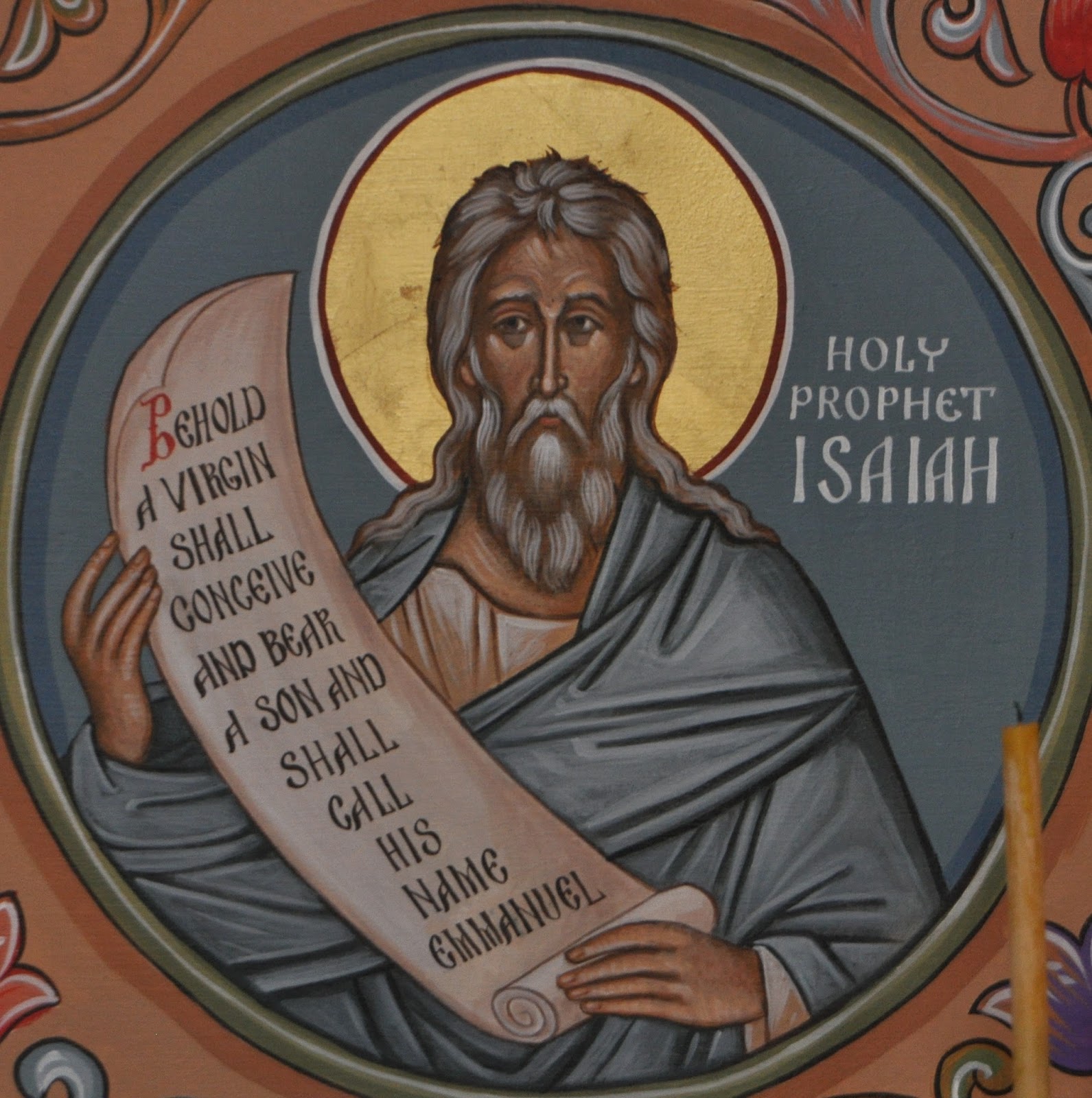
The verse Isaiah 41:10 in the King James Version provides one of the most recognized pronouncements of reassurance in biblical literature: "Fear thou not; for I am with thee: be not dismayed; for I am thy God." Written during a period of severe geopolitical turmoil, the passage addresses an exiled nation grappling with displacement and uncertainty. Understanding this verse requires looking beyond its modern devotional use to examine its precise literary context, ancient Near Eastern background, and the historical mechanics of the Babylonian exile.
Search intent for this topic centers on historical context, linguistic breakdown of the King James phrasing, and the theological weight behind the promise. Readers look for answers regarding who spoke these words, who heard them first, and how the ancient audience understood the call to abandon fear. While generic devotionals offer surface-level comfort, a deeper look reveals specific political anxieties, ancient literary structures, and linguistic choices that explain why this promise endured across millennia.
Historical Background of Second Isaiah
The Book of Isaiah is divided by scholars into distinct literary units, with chapters 40 through 55 commonly attributed by historians to an anonymous prophet during the Babylonian exile. Around 586 BCE, the Kingdom of Judah fell to the Neo-Babylonian Empire under Nebuchadnezzar II. Jerusalem and the Temple were destroyed, and significant portions of the population were forcibly relocated to Mesopotamia.
In exile, the Israelite community faced a profound identity crisis. In the ancient world, military defeat and exile implied that the national god had been overpowered by the gods of the victor. Captives frequently experienced social isolation, cultural assimilation pressures, and deep despair.
Isaiah 41 addresses this psychological and spiritual collapse directly. The surrounding chapters contrast the powerlessness of Babylonian idols with the sovereignty of Yahweh. The historical setting is one of profound vulnerability. The listeners aren't conquerors or rulers; they're displaced laborers living under an imperial power that demanded total ideological and political submission.
Linguistic Breakdown of the KJV Text
The King James Version translates the Hebrew text with distinct archaic pronouns and verbs that shape its rhythmic authority. Breaking down the primary clauses reveals specific theological nuances:
- "Fear thou not; for I am with thee": The Hebrew verb yare can mean to be afraid or to show reverence. In this context, it denotes paralyzing terror in the face of geopolitical threats. The emphatic pronoun ani ("I") precedes the statement of presence, shifting the focus entirely from the terrifying external circumstances to the speaker.
- "Be not dismayed; for I am thy God": The verb sha'ah translated as "dismayed" carries the visual sense of staring about in anxiety, wandering in bewilderment, or looking around for help that doesn't come. God counters this by claiming a covenant title: Eloheka ("your God"), invoking a binding relationship established centuries prior.
- "I will strengthen thee; yea, I will help thee": The promise moves from presence to active intervention. The verbs denote physical reinforcement and practical assistance.
- "Yea, I will uphold thee with the right hand of my righteousness": The "right hand" in ancient iconography symbolized power, military strength, and authority. Associating it with righteousness (tzedek) points to moral reliability and justice rather than arbitrary force.
Ancient Near Eastern Context and Subversion
In the ancient Near East, royal inscriptions frequently featured gods promising victory to kings. For instance, the Cyrus Cylinder, created by the Persian ruler Cyrus the Great who later conquered Babylon, attributes his victories to the Babylonian god Marduk.
Isaiah 41 deliberately subverts these imperial tropes. Instead of addressing a mighty monarch on a throne, the divine promise goes to Jacob-Israel—described earlier in verse 14 as a "worm" and a feeble insect.
By applying royal and martial promises of divine presence to a displaced, powerless group, the text challenges the conventional theology of the ancient world. Security doesn't stem from military might or imperial favor, but from a covenantal relationship with the Creator of history.
Common Interpretations and Misconceptions
Readers often misapply Isaiah 41:10 by treating it as a universal guarantee of physical safety or immunity from hardship. History demonstrates that the original exiles and subsequent believers faced persecution, imprisonment, and execution.
Instead of a magical shield against suffering, the verse functions as an assurance of endurance amidst crisis. The promise isn't that trials won't happen, but that the individual or community won't be abandoned within them. Recognizing this distinction prevents the disillusionment that occurs when readers expect literal comfort from external harm.
Another common misconception treats the verse as an isolated maxim. Pulled out of context, it reads like a self-help slogan. Read within Isaiah 41, it forms the climax of a courtroom scene where God challenges the nations and idols to prove their power, contrasting human fragility with divine constancy.
Frequently Asked Questions
Who wrote Isaiah 41:10?
Scholars attribute the chapters containing this verse to an anonymous prophet often referred to as Deutero-Isaiah or Second Isaiah, who ministered to the Jewish exiles in Babylon during the sixth century BCE.
What does "dismayed" mean in the King James Version?
In 17th-century English and the underlying Hebrew, "dismayed" refers to looking around in panic, feeling bewildered, or being mentally overwhelmed by distressing circumstances.
Is Isaiah 41:10 found in other Bible translations?
Yes, modern translations like the English Standard Version (ESV) and New International Version (NIV) render the verse similarly, though using contemporary pronouns like "you" instead of "thou" and "thee."
How does this verse relate to the Babylonian exile?
It directly addresses the psychological trauma and loss of faith experienced by Judeans living under Babylonian captivity, offering reassurance that their displacement hasn't severed their relationship with God.



