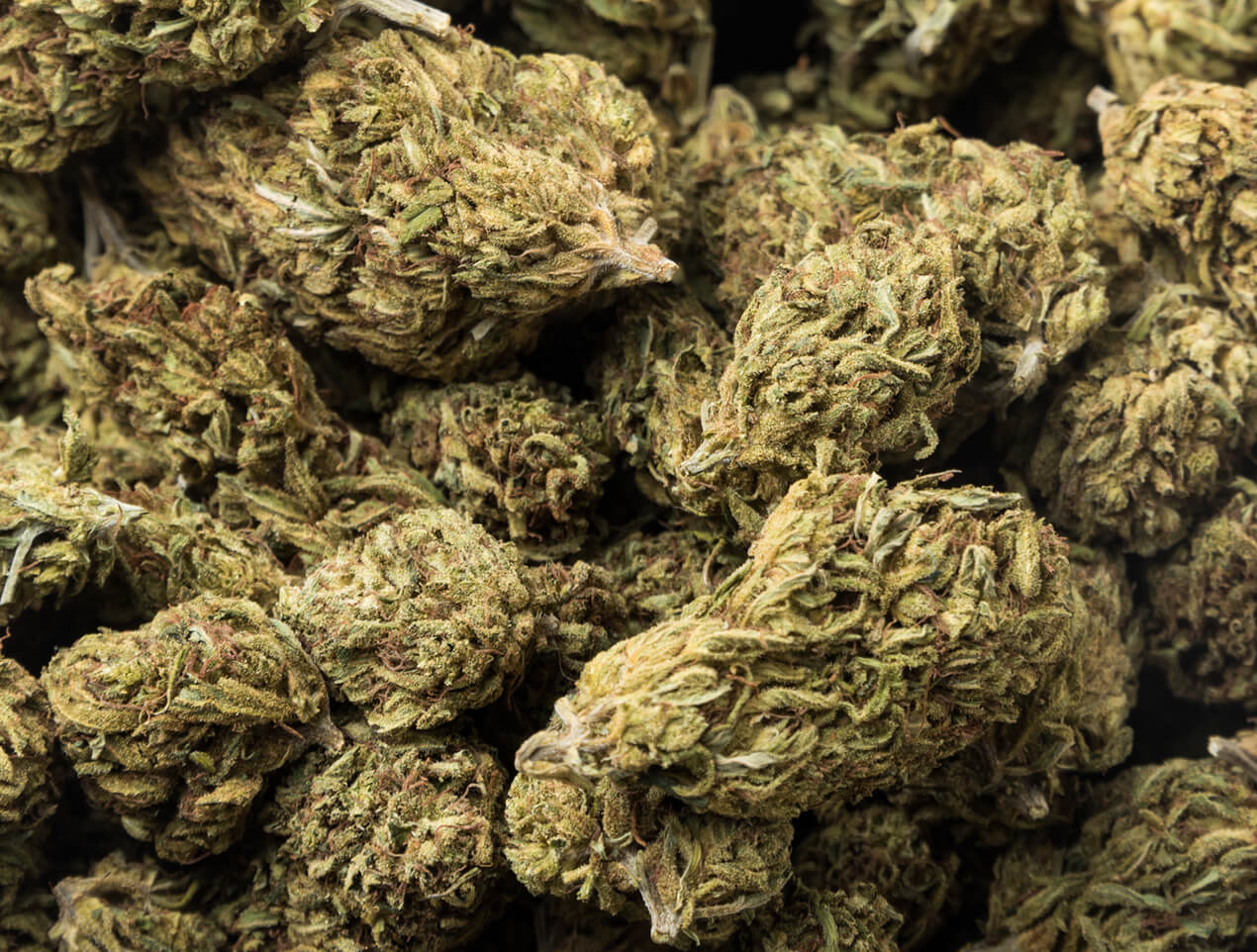
Is Weed Legal in Singapore: Current Laws and Penalties
Is weed legal in Singapore? No, cannabis is completely illegal for recreational use. Singapore enforces a strict zero-tolerance drug policy governed by the Misuse of Drugs Act, classifying cannabis as a Class A controlled substance alongside heroin and cocaine. If you're traveling to Singapore or planning a trip, understanding these rigid regulations is critical because local laws apply to citizens, permanent residents, and international tourists alike. Even trace amounts of THC detected in your system from consumption abroad can lead to severe criminal prosecution under extraterritorial laws.
The Southeast Asian nation treats drug offenses with exceptional gravity. Possessing, consuming, cultivating, importing, or trafficking cannabis carries heavy prison sentences, substantial financial fines, and mandatory corporal punishment like caning. While global attitudes toward cannabis shift rapidly toward legalization, Singapore's government maintains that strict prohibition remains necessary to protect public health and safety.
The Legal Framework: Misuse of Drugs Act
The primary legislation controlling substances in the country is the Misuse of Drugs Act, enacted in 1973. Under this framework, cannabis, hashish, cannabis oil, and THC-infused products are heavily restricted.
Law enforcement agencies, primarily the Central Narcotics Bureau (CNB), possess wide-ranging powers to investigate, detain, and test individuals suspected of drug offenses. The legal system assumes guilt under specific statutory thresholds if certain amounts of controlled drugs are found in your possession, shifting the burden of proof onto the accused to demonstrate the substances were not for trafficking.
Possession and Consumption Laws
Possessing even a small amount of cannabis for personal use is a serious criminal offense.
- Possession: Unauthorized possession or control of cannabis can result in up to 10 years in prison, a fine of up to SGD 20,000, or both.
- Consumption: Singaporean authorities test individuals routinely or randomly, including at checkpoints or entertainment venues. If you consume cannabis outside of Singapore—such as on vacation in Thailand or the United States—and return with metabolites in your urine, you can be prosecuted as if you consumed the drug within Singapore's territorial borders.
- Cultivation: Growing any part of the cannabis plant is strictly prohibited, carrying even stiffer penalties of long-term imprisonment.
Trafficking and Import Penalties
Singapore draws a sharp legal line between personal use and drug trafficking, though the statutory thresholds for trafficking are remarkably low.
If you're caught importing, exporting, or trafficking more than 500 grams of cannabis, you face mandatory capital punishment under specific legal provisions. Lower quantities still attract decades of imprisonment and mandatory caning strokes. Couriers, tourists carrying CBD vapes purchased legally abroad, and individuals receiving mail orders containing cannabis-infused edibles face these exact charges.
What Tourists and Foreign Nationals Must Know
Many visitors assume their home country's legal standards protect them while traveling, but international law dictates that you must obey the laws of your host nation. Singapore customs agents routinely screen baggage at Changi Airport and land checkpoints from Malaysia.
- CBD and Vapes: Bringing cannabidiol (CBD) oil, vape pens, or skincare containing hemp derivatives into the country is illegal. Customs declarations won't save you; prohibited items are confiscated, and travelers face immediate detention.
- Random Drug Testing: The CNB conducts targeted operations at nightlife venues and border crossings. Refusing a drug test when ordered by an officer is treated as an offense equivalent to testing positive.
- Extraterritorial Reach: Singapore's jurisdiction extends to citizens and permanent residents who consume drugs overseas. Urine tests conducted upon arrival at airports catch returning travelers who smoked weed weeks prior in legal jurisdictions.
Medical Cannabis: Myth vs. Reality
A common misconception is that medical cannabis is widely accessible in Singapore. While the government introduced narrow pathways for specific pharmaceutical exceptions, obtaining medical cannabis is exceedingly rare.
The Health Sciences Authority (HSA) permits specialized medical importation only under tightly controlled circumstances. Patients suffering from rare, treatment-resistant medical conditions—such as specific types of severe childhood epilepsy—must go through licensed institutional doctors who apply for special approvals on a case-by-case basis. Standard ailments like chronic back pain, anxiety, or insomnia do not qualify patients for cannabis prescriptions. Street purchases or unregistered foreign medical cards are completely unrecognized by local authorities.
Frequently Asked Questions
Can I be arrested in Singapore if I smoked weed legally in another country?
Yes. Singapore law allows authorities to prosecute citizens, permanent residents, and sometimes visitors if drug metabolites are detected in their bodies during random or targeted urine screenings at ports of entry, regardless of where the consumption took place.
Are CBD products like oils or gummies legal to bring into Singapore?
No. Cannabidiol (CBD) is classified as a controlled drug under the Misuse of Drugs Act. Bringing CBD vapes, oils, or edibles into the country constitutes illegal importation, leading to detention and prosecution.
What happens if a tourist is caught with a small amount of weed?
Tourists receive no diplomatic immunity or leniency for drug offenses. Being caught with a small amount for personal use can result in immediate arrest, interrogation, detention, trial, imprisonment, and deportation followed by a permanent entry ban.
Does Singapore enforce caning for drug offenses?
Yes. Corporal punishment in the form of judicial caning is a mandatory or discretionary sentence for numerous drug violations under the Penal Code and Misuse of Drugs Act, leaving lasting physical and psychological scars.


