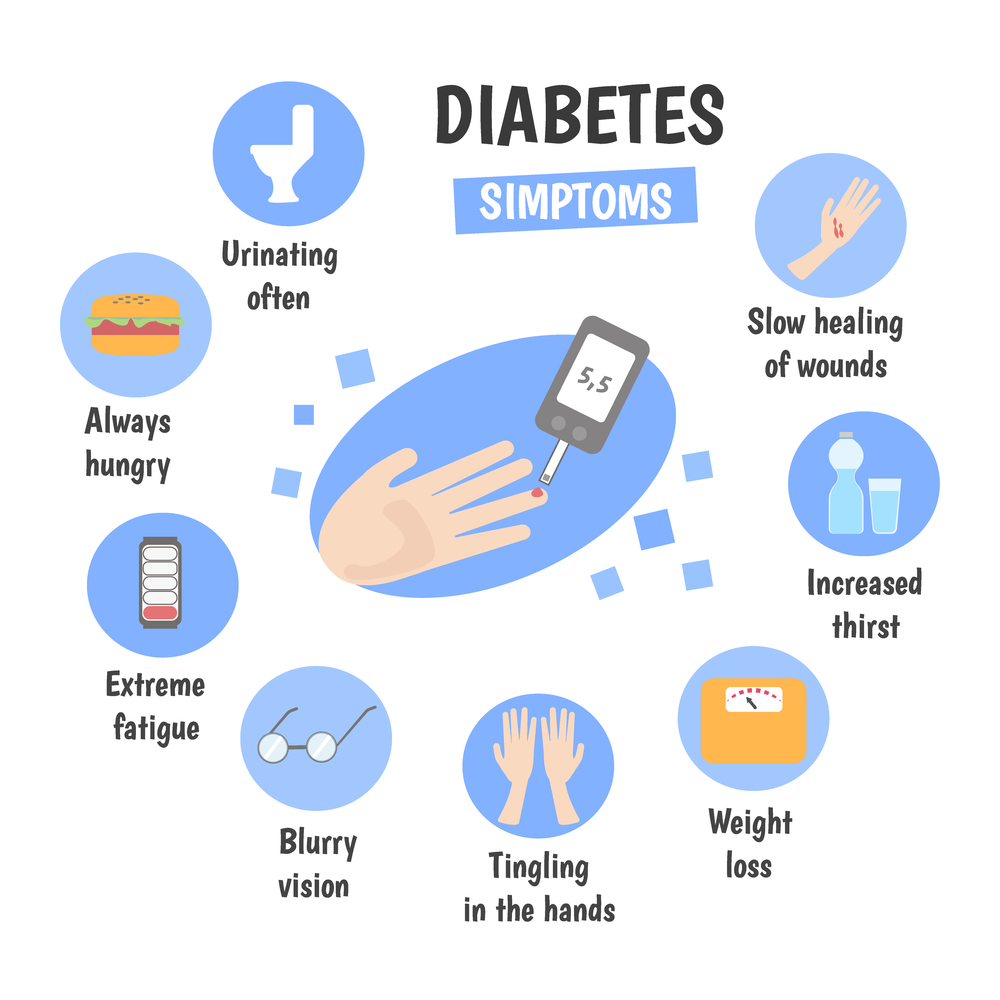
Is type 2 diabetes an autoimmune disease? The short answer is no. Type 2 diabetes is a metabolic disorder driven primarily by insulin resistance and progressive pancreatic beta-cell dysfunction. Unlike type 1 diabetes, which is characterized by the immune system mistakenly attacking and destroying insulin-producing cells, type 2 diabetes stems from how your body processes and responds to glucose.
Yet, modern clinical research reveals a significant plot twist. While type 2 diabetes isn't an autoimmune disease, chronic low-grade inflammation plays a major role in its development and progression. Immune cells infiltrate fat tissue, disrupt cellular messaging, and worsen insulin resistance. Understanding where metabolism crosses paths with immunology clarifies why certain modern treatments target inflammatory pathways alongside blood sugar control.
The Core Definitions: Metabolic Disease Versus Autoimmunity
To understand why type 2 diabetes sits outside the autoimmune classification, you need to look at how each condition starts.
Autoimmune conditions occur when immune tolerance breaks down. T-cells and autoantibodies launch a friendly-fire campaign against specific tissues. In type 1 diabetes, circulating autoantibodies target proteins inside pancreatic beta cells, such as glutamic acid decarboxylase (GAD) or insulin itself. This triggers an absolute insulin deficiency, forcing patients to rely on external insulin from day one. To understand the bigger picture, we recommend the excellent report by Psychology Today.
Type 2 diabetes tells a completely different story. It starts with cellular resistance. Your muscle, liver, and fat cells stop responding efficiently to insulin. To compensate, your pancreas pumps out more insulin. Over years or decades, this overworking exhausts the beta cells, leading to falling insulin output.
- Type 1 Diabetes: Immune-mediated destruction of insulin factories.
- Type 2 Diabetes: Metabolic fatigue, receptor resistance, and secondary beta-cell burnout.
The Hidden Immune Connection: Metaflammation
Even though type 2 diabetes isn't an autoimmune disease, it's heavily influenced by the immune system. Researchers call this phenomenon metaflammation—low-grade, chronic inflammation triggered by metabolic stress rather than foreign invaders.
When adipose tissue expands rapidly due to caloric excess and physical inactivity, fat cells stretch past their limit. This distress recruits immune cells like macrophages into the fat tissue. Instead of fighting bacteria or viruses, these macrophages release pro-inflammatory signaling proteins called cytokines, including tumor necrosis factor-alpha (TNF-alpha) and interleukin-6 (IL-6).
These inflammatory cytokines interfere directly with cellular insulin signaling pathways. They block the activation of glucose transporter type 4 (GLUT4) proteins, meaning glucose struggles to enter your cells even when insulin is present. This is why researchers view chronic inflammation as both a consequence and a driver of insulin resistance.
The Gray Area: When Classifications Blur
Biology rarely fits into neat boxes. While type 2 diabetes and autoimmunity are distinct entities, clinical overlaps frequently challenge endocrinologists.
Latent Autoimmune Diabetes in Adults (LADA)
Sometimes, adults are diagnosed with what looks like standard type 2 diabetes, but oral medications and lifestyle adjustments fail quickly. Further testing reveals circulating autoantibodies typical of type 1 diabetes. This is known as Latent Autoimmune Diabetes in Adults, often called type 1.5 diabetes. LADA is an autoimmune disease masquerading as type 2 due to its slower onset in adulthood. Misdiagnosis is common, which delays the necessary shift to insulin therapy.
Obesity-Driven Autoimmunity
Emerging studies indicate that chronic metabolic inflammation can actually trigger secondary autoimmune responses in susceptible individuals. While it doesn't turn type 2 diabetes into an autoimmune condition, it explains why people with metabolic syndrome face a higher statistical risk of developing true autoimmune disorders like rheumatoid arthritis or psoriasis.
Clinical Implications: How Treatment is Changing
Recognizing the inflammatory component of type 2 diabetes changed how doctors treat the condition. For decades, the therapeutic playbook relied solely on metformin and insulin secretagogues to lower blood glucose numbers directly.
Today, modern pharmacology targets underlying metabolic and inflammatory pathways:
- GLP-1 Receptor Agonists: Drugs like semaglutide stimulate insulin release, suppress glucagon, and significantly reduce systemic inflammation, protecting both the heart and kidneys.
- SGLT2 Inhibitors: These medications force the kidneys to excrete excess glucose, lowering blood sugar while reducing inflammatory stress on vascular tissues.
These drugs prove that managing type 2 diabetes effectively requires looking beyond blood glucose alone to address the broader inflammatory ecosystem.
Common Mistakes in Understanding Diabetes Classifications
Patients and wellness writers often blur medical boundaries, leading to confusion that impacts self-management.
- Assuming all diabetes requires insulin: Many people think if you have diabetes, your immune system destroyed your pancreas. In type 2, lifestyle shifts, weight management, and non-insulin medications often suffice for years.
- Confusing inflammation with autoimmunity: Having high C-reactive protein (CRP) levels due to obesity or insulin resistance doesn't mean your immune system is attacking your organs. It means your immune system is reacting to cellular metabolic stress.
- Ignoring mixed presentations: Assuming an adult-onset diagnosis is automatically type 2 without checking for autoantibodies if blood sugar control deteriorates unexpectedly fast.
According to data from the Centers for Disease Control and Prevention, over 38 million Americans have diabetes, and approximately 90% to 95% of those cases are type 2. Recognizing the distinct metabolic roots of this vast majority prevents misdirected treatments and reinforces the power of targeted lifestyle interventions.
Frequently Asked Questions
Can you prevent type 2 diabetes if it runs in your family?
Yes. While genetic predisposition plays a role in how your body stores fat and manages insulin, lifestyle factors like regular strength training, aerobic activity, and a diet rich in fiber and whole foods significantly delay or prevent the onset of type 2 diabetes.
Does losing weight reverse type 2 diabetes?
Weight loss can put type 2 diabetes into remission for many individuals. Losing excess fat reduces the metabolic stress on adipose tissue, lowers systemic inflammation, and restores cellular sensitivity to insulin. Remission means normal blood sugar levels without medication, though underlying metabolic vulnerabilities remain.
Why do some type 2 diabetes patients eventually need insulin?
Over years of managing insulin resistance, pancreatic beta cells can experience progressive functional decline or exhaustion. When lifestyle changes and oral medications can no longer stimulate enough natural insulin to maintain stable blood glucose, introducing exogenous insulin becomes necessary.
Is gestational diabetes an autoimmune disease?
No. Gestational diabetes shares metabolic roots with type 2 diabetes. Hormones produced during pregnancy naturally induce a state of insulin resistance to ensure adequate glucose reaches the developing fetus. If a pregnant person's pancreas can't produce enough extra insulin to overcome this resistance, gestational diabetes develops.



