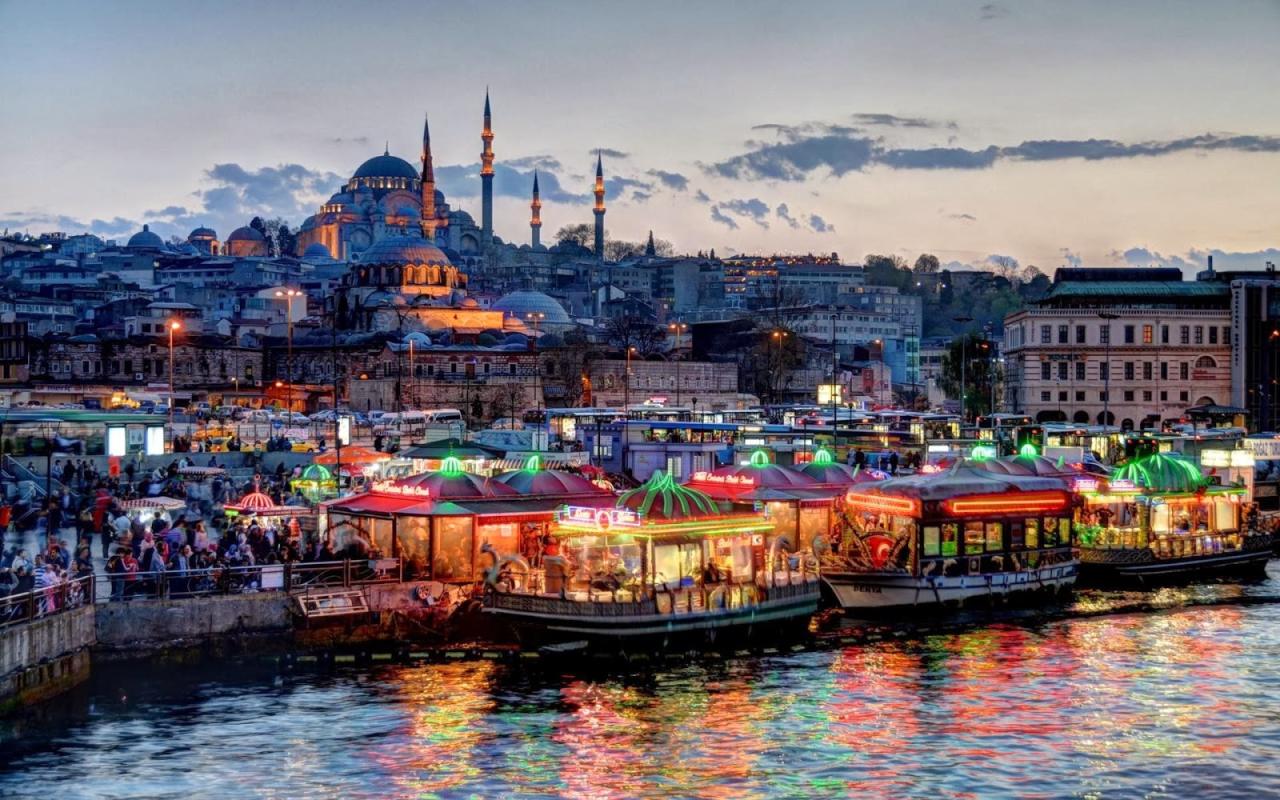
Turkey isn't neatly classified by standard geopolitical maps. Straddling two continents, it occupies a physical and diplomatic threshold where Europe, Asia, and the Middle East collide. When analysts ask whether Turkey belongs to the Middle East, they run into a wall of overlapping contradictions: 97% of its landmass sits in Western Asia, yet its legal framework, security alliances, and historical scars tie it heavily to Europe.
The short answer is that Turkey refuses to fit cleanly into any single regional box. It operates as a distinct Eurasian power that influences the Middle East without being culturally or politically consumed by it. To understand Turkey's true identity, we have to look past the superficial labels and examine the geography, history, and strategic ambitions driving Ankara today.
The Geographic Reality: A Transcontinental Bridge
Physical geography sets the baseline for Turkey's unique status. The country is fundamentally transcontinental. The Bosporus and Dardanelles straits slice through Istanbul, creating a physical divide where Europe ends and Asia begins.
- East Thrace (Rumelia): The small European portion accounts for roughly 3% of the country's landmass and houses millions of residents. It ties Turkey directly to Balkan politics and European trade routes.
- Anatolia (Asia Minor): The vast Anatolian plateau makes up the remaining 97% of the territory, bordered by the Black Sea, the Aegean, and the Mediterranean. This massive land bridge links the Caucasus, the Levant, and Mesopotamia.
Because Turkey controls these critical maritime chokepoints—the only water route connecting the Black Sea to the global oceans—its geographic leverage is immense. This physical positioning has forced every regional and global empire to treat Ankara as a pivotal player, whether they view it as European or Middle Eastern. Further analysis by Bloomberg explores comparable perspectives on the subject.
Historical Roots: From Ottoman Legacy to Modern Republic
Modern Turkey's identity is an ongoing negotiation with its imperial past. For six centuries, the Ottoman Empire spanned three continents, uniting parts of southeastern Europe, North Africa, and the core of the Middle East under a single Islamic caliphate.
When the Ottoman Empire collapsed after World War I, Mustafa Kemal Atatürk founded the Republic of Turkey in 1923 with an explicit mandate: turn away from the Middle East and anchor the nation in the West.
- The Secular Shift: Atatürk instituted radical reforms, replacing Arabic script with the Latin alphabet, dismantling religious courts, and defining the state around European-style secular nationalism.
- The Post-Cold War Pivot: As decades passed, Turkey realized it couldn't simply ignore its southern neighbors. Trade, security threats, and energy corridors pulled Ankara back into Middle Eastern affairs.
Today's political leadership leans heavily into this Ottoman heritage. Rather than seeing itself as a failed European state, Ankara leverages its historical footprint across Arab nations, Central Asia, and the Balkans to project independent power.
Diplomatic Alignment: NATO Member, Regional Heavyweight
Politically and militarily, Turkey defies simple geographic categorization. It belongs to Western security structures while maintaining an independent foreign policy that often frustrates its allies.
- NATO and the West: Turkey joined NATO in 1952 and maintains the second-largest standing military in the alliance after the United States. It spent decades seeking membership in the European Union, entering a customs union with the bloc in 1995.
- Strategic Autonomy: In recent years, Ankara has charted its own course. It purchases defense systems outside standard Western frameworks, conducts military operations across its southern borders to manage security threats, and mediates conflicts from Ukraine to the Horn of Africa.
As detailed in analyses by New Lines Institute, Turkey's hard power expansion stems from its unique capacity to act independently in multiple theaters simultaneously. It doesn't take orders from Brussels or Washington, nor does it answer to regional capitals in the Middle East.
Cultural Duality: Cosmopolitan Coasts versus Conservative Heartland
Walk through the coastal districts of Istanbul, Izmir, or Antalya, and you'll experience a lifestyle that mirrors Southern Europe—caf culture, modern fashion, and secular social norms. Travel inland to the Anatolian heartland, such as Konya or Gaziantep, and the cultural atmosphere shifts toward traditional Middle Eastern and conservative values.
This internal tension shapes Turkish society. Citizens debate whether their future lies with Western democratic norms or traditional regional alliances. Most Turks, however, bypass these labels entirely, identifying simply and fiercely as Turkish. Their loyalty is to the nation-state, not to a broader pan-European or pan-Arabic identity.
Frequently Asked Questions
Is Turkey considered part of the Middle East by the United Nations?
The United Nations geoscheme places Turkey within Western Asia, which aligns it statistically with Middle Eastern countries, though political groupings often treat it separately due to its NATO membership and European council founding status.
Does Turkey consider itself a European nation?
Turkey's official stance has historically valued European integration, particularly through economic ties and institutional partnerships like the EU customs union. However, cultural friction and political deadlocks have stalled full EU accession, leading Ankara to pursue a multi-aligned foreign policy.
Why do some analysts call Turkey a "torn country"?
Political scientists use this phrase to describe nations caught between distinct civilizational spheres—in Turkey's case, the pull of Western secular modernity versus the cultural and historical weight of the Islamic and Middle Eastern world.
What economic role does Turkey play in the region?
Turkey boasts a diversified industrial base that produces manufactured goods, heavy machinery, and defense technology on a scale unmatched by its immediate southern neighbors, making it an indispensable economic engine between Europe and Asia.



