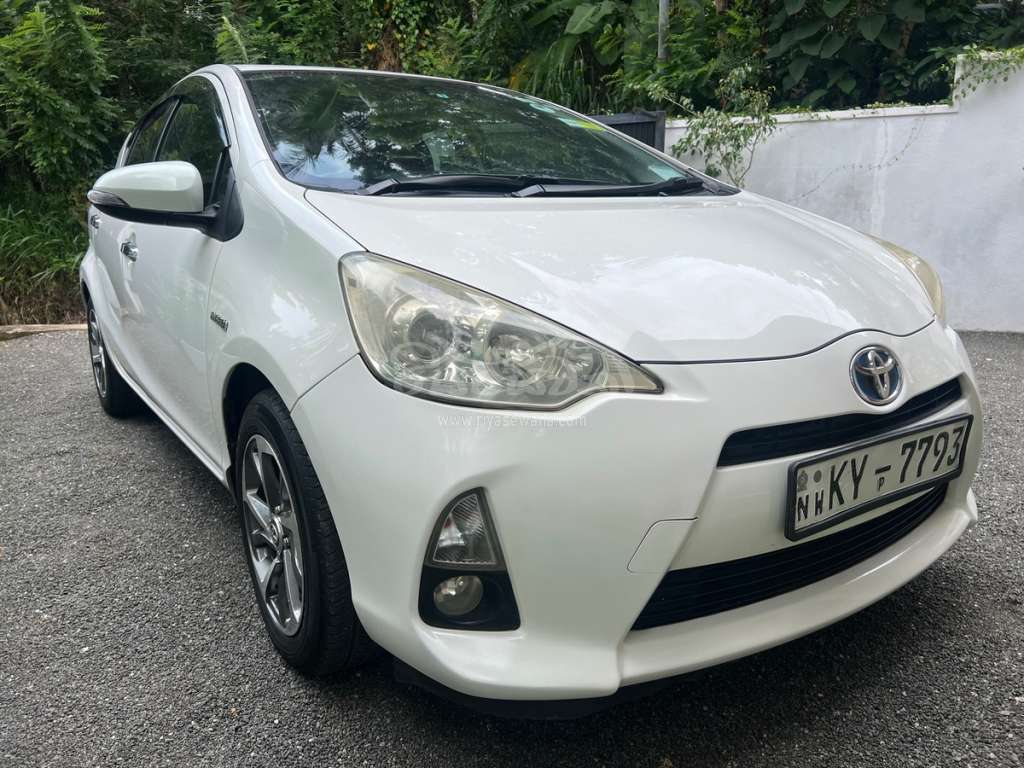
Toyota is undeniably a Japanese company, rooted deeply in the industrial heartland of Aichi Prefecture, Japan. Founded in 1937 by Kiichiro Toyoda, the brand grew out of his family's pioneering work in automated textile machinery before transitioning into motor vehicles. While its corporate headquarters remain firmly planted in Toyota City, Japan, the enterprise operates as a massive multinational powerhouse with manufacturing plants, design studios, and engineering centers scattered across every major continent.
Tracing Toyota from a small domestic venture into a global titan reveals how a localized manufacturing philosophy conquered international markets. This evolution covers its textile origins, the engineering pivots that shaped modern manufacturing, and how a Japanese brand became an embedded fixture of local economies worldwide.
From Automatic Looms to Motor Cars
The story of Toyota begins with textile manufacturing rather than automobiles. In the late 19th and early 20th centuries, Sakichi Toyoda invented several automated looms that revolutionized Japan's textile industry. Most notably, he invented a loom that stopped automatically when a thread broke, preventing defective fabric and saving wasted labor.
This exact mechanism—stopping production immediately to fix an issue rather than letting errors compound—became the bedrock of jidoka, one of the two core pillars of the future Toyota Production System.
In 1929, Sakichi's son, Kiichiro Toyoda, traveled to Europe and the United States to study industrial manufacturing and automobile production. Convinced that Japan needed its own indigenous motor industry, Kiichiro used the proceeds from selling a patent on his father's automatic loom to British firm Platt Brothers to fund automotive research.
By 1935, the company built its first prototype passenger car, the Model A1, followed by the commercial Model AA in 1936. In August 1937, the Toyota Motor Company was officially incorporated, separating from its parent textile machinery business to focus entirely on trucks and passenger vehicles.
Why the Name Changed From Toyoda to Toyota
A common detail that highlights the company's distinct national heritage is its name change. The family name of the founders is spelled and pronounced Toyoda (豊田). However, in 1936, the company held a public contest to design a new logo and establish a modern corporate identity.
The entry selected used Toyota (トヨタ) written in Japanese katakana characters for several practical and cultural reasons:
- Writing Toyota required eight strokes of the brush, a number traditionally associated with wealth and good fortune in Japanese culture.
- Visually separating the family name from the corporate entity helped establish the business as a public institution rather than a private family shop.
- The trailing "d" sound in Toyoda felt slightly濁る (nigoru, or muddy) in Japanese phonetics; changing it to a crisp "t" sound created a cleaner, more energetic cadence.
Even though the family name remained Toyoda, the corporate entity officially became Toyota, cementing a distinct commercial identity.
The Postwar Pivot and the Birth of Lean Manufacturing
World War II devastated Japanese industrial infrastructure. Following the war, Toyota faced severe financial distress, labor strikes, and material shortages. To survive under the supervision of Allied occupation forces, company engineers—most notably Taiichi Ohno—developed a radically different approach to factory management.
They couldn't afford the massive mass-production scales of American giants like Ford or General Motors. Instead, they focused on eliminating waste, reducing inventory, and empowering assembly-line workers to stop production lines when defects appeared. This gave rise to the Toyota Production System (TPS), characterized by just-in-time manufacturing and continuous improvement (kaizen).
These domestic constraints forced the company to become hyper-efficient. When foreign trade reopened, those manufacturing efficiencies allowed Japanese automakers to build reliable, fuel-efficient vehicles at competitive price points.
International Expansion and Localization
For the first two decades of its existence, Toyota built vehicles primarily for the domestic market. However, executives recognized that long-term survival required global reach. The internationalization of the company unfolded across distinct phases:
Early Export Struggles in North America
In 1957, Toyota made its first major attempt to crack the North American market by exporting the Toyopet Crown to the United States. It was a commercial failure. The vehicle was underpowered for American interstate highways, poorly suited to high-speed driving, and priced too high for what it offered.
Instead of retreating, management listened closely to feedback. They realized they needed to engineer cars specifically tailored to foreign road conditions rather than simply shipping domestic models abroad.
The Turning Point of the 1973 Oil Crisis
The breakthrough for Japanese automakers internationally came during the 1973 oil crisis. As fuel prices surged globally, American and European consumers suddenly sought smaller, fuel-efficient vehicles. Toyota's lineup of compact, reliable cars—such as the Corolla—captured massive market share. What began as a niche alternative quickly became a mainstream preference.
Transitioning to Localized Production
Rather than continuing to export every vehicle from Japan, Toyota shifted toward a strategy of building cars where they were sold.
- In 1959, Toyota established its first overseas production facility in Brazil.
- During the 1980s and 1990s, mounting trade tensions and import quotas in the United States and Europe prompted the company to construct massive assembly plants in Kentucky, Ontario, the United Kingdom, and beyond.
- Today, Toyota operates dozens of manufacturing subsidiaries globally, employing local workforces, sourcing parts from regional suppliers, and designing vehicles within specific target markets.
Common Misconceptions About Toyota's Global Identity
Because Toyota vehicles are ubiquitous across North America, Europe, and Australia, casual observers often harbor misconceptions about the brand's structure and ownership.
- Is Toyota an American or European company? No. While regional arms like Toyota Motor North America operate autonomously in many respects, the ultimate parent company—Toyota Motor Corporation—is headquartered in Toyota City, Aichi Prefecture, Japan, and traded heavily on the Tokyo Stock Exchange.
- Are all Toyotas manufactured in Japan? Not anymore. While iconic sports cars and high-end Lexus models often hail from domestic Japanese plants, the vast majority of consumer models sold in North America (such as the Camry and RAV4) are built in regional facilities located in the United States and Canada.
- Is Toyota owned by foreign investors? While its shares are publicly traded on international exchanges like the New York Stock Exchange, institutional ownership remains heavily anchored in Japanese financial institutions, trust banks, and corporate cross-holdings.
Frequently Asked Questions
Is Toyota still considered a Japanese brand?
Yes. Toyota remains a proudly Japanese multinational corporation. Its corporate headquarters, core research and development laboratories, and foundational management philosophies originate directly from Japan.
Where was Toyota founded?
Toyota was founded in Koromo (renamed Toyota City in 1959 in honor of the company) located in the Aichi Prefecture of Japan.
Why did Toyota build cars after starting in textiles?
Kiichiro Toyoda believed that Japan's industrial future lay in mechanical engineering and motorized transport. With funds secured from selling his father's automatic loom patent to a British company, he redirected the family enterprise into automobile manufacturing.
Are Toyotas sold in Japan different from international models?
Often, yes. While global models dominate international markets, Japan retains a unique domestic market featuring kei cars (micro-vehicles) and specific trim configurations designed for narrow Japanese streets and local tax regulations.



