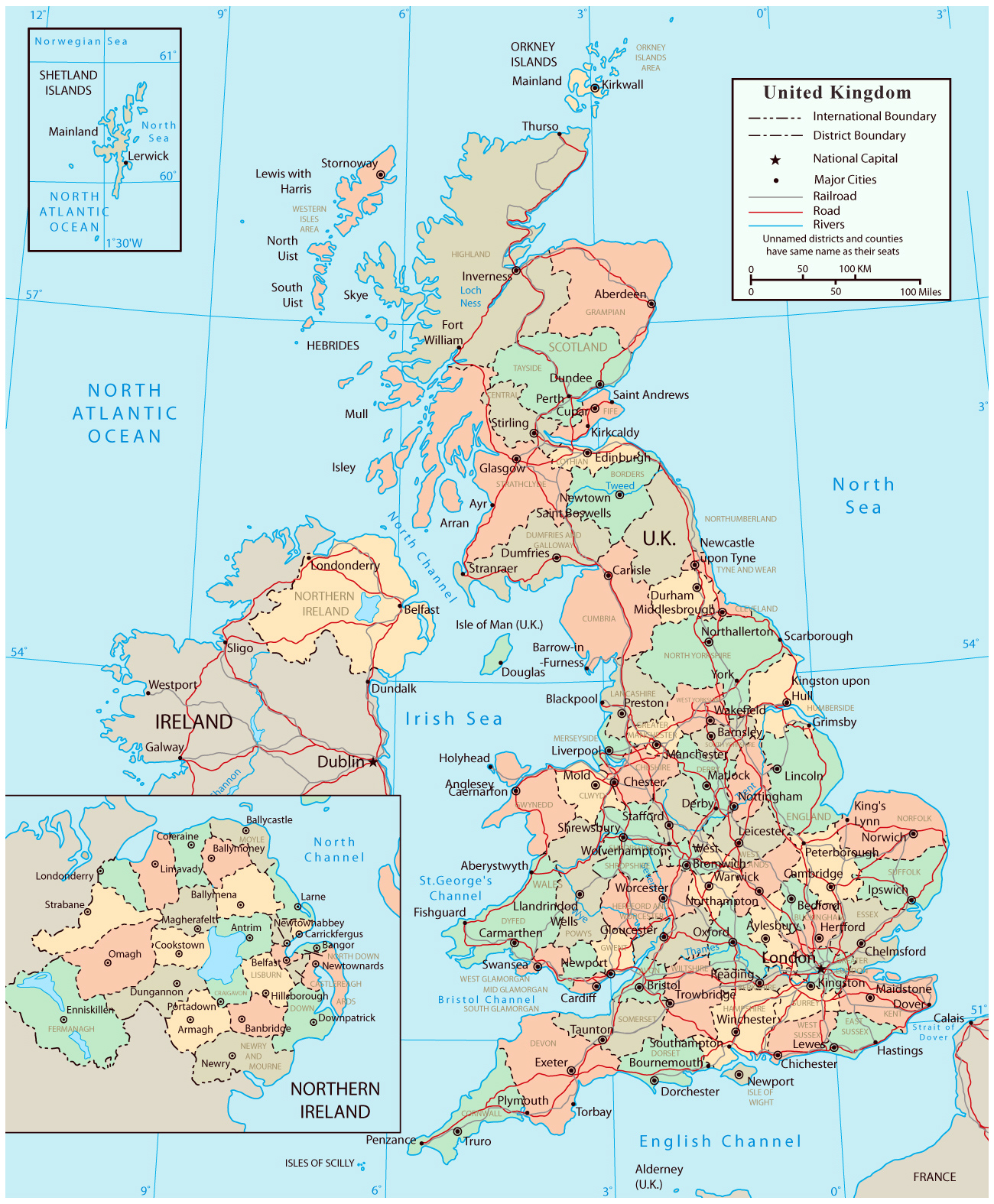
Is the UK a country? Yes, it's a sovereign state recognized globally, yet it's built from four distinct constituent nations: England, Scotland, Wales, and Northern Ireland. This dual identity confuses travelers, political scientists, and quiz participants alike. You're dealing with a complex political union that doesn't fit neat global categories.
To understand how the United Kingdom works, you need to look past standard geography definitions. It's a country made of countries, operating under a centralized yet partly devolved government. Let's break down how this sovereign entity functions, why it exists, and how its internal parts relate to each other.
Defining the United Kingdom in International Law
On the global stage, the United Kingdom of Great Britain and Northern Ireland acts as a single sovereign state. It holds a permanent seat on the United Nations Security Council, signs international treaties as one entity, and competes under a single flag at the Olympic Games.
International law recognizes the UK as the sovereign country. When you hold a British passport, it's issued by the UK government, regardless of whether you live in Edinburgh, Cardiff, Belfast, or London.
Yet, internally, the state functions as a political union of four historical territories. Each territory maintains a distinct cultural identity, and three of them have their own devolved legislative bodies that handle local laws.
The Four Constituent Nations
The UK's unique structure stems from centuries of shifting borders, acts of union, and political compromises.
- England: The largest and most populous nation within the union. It doesn't have a devolved parliament, meaning English domestic laws are made directly by the UK Parliament at Westminster.
- Scotland: Joined with England through the Treaty of Union in 1707. Scotland retained its own distinct legal system, educational framework, and national church. Today, the Scottish Parliament handles significant domestic affairs.
- Wales: United with England through the Laws in Wales Acts 1535 and 1542. Wales now has the Senedd (Welsh Parliament), which holds law-making powers over health, education, and transport.
- Northern Ireland: Formed following the partition of Ireland in 1921. It operates under the peace framework established by the Good Friday Agreement, featuring a power-sharing assembly in Stormont.
How Devolution Changes the Rules
You might wonder how a country can have multiple parliaments. The UK operates under an uncodified constitution, meaning its rules aren't written down in a single master document. Instead, it relies on acts of Parliament, historical court judgments, and constitutional conventions.
Through devolution, Westminster transferred specific law-making powers to regional assemblies in Scotland, Wales, and Northern Ireland.
However, Westminster retains supreme legislative authority. In theory, the UK Parliament could abolish the Scottish Parliament or the Welsh Senedd tomorrow. In practice, doing so would trigger a massive constitutional crisis, so the arrangement holds stable through political convention.
Common Confusion: UK vs. Great Britain vs. England
People mix up British terminology constantly. Let's clear up the definitions so you don't make mistakes in conversation or writing.
- England: A single country within the UK, accounting for over 84% of the total population. It is not the same as the UK.
- Great Britain: A geographic term referring to the largest island in the archipelago, containing only England, Scotland, and Wales. Northern Ireland is on a separate island.
- The United Kingdom: The full sovereign state encompassing Great Britain and Northern Ireland.
- The British Isles: A geographical term for the entire archipelago, which includes the UK, the independent Republic of Ireland, and smaller islands like the Isle of Man and the Channel Islands.
Frequently Asked Questions
Is the Republic of Ireland part of the UK?
No. The Republic of Ireland became an independent dominion in 1922 and left the British Commonwealth entirely in 1949. It is a completely separate, sovereign European nation.
Can Scotland or Wales leave the UK?
Yes, through a democratic political process. Scotland held an independence referendum in 2014, where voters chose to remain in the UK by 55% to 45%. Future referendums require political agreement from the UK government in London.
Why do Scotland, Wales, and England compete separately in sports?
Football, rugby, and cricket associations were established in these nations before modern international sports bodies existed. FIFA and other organizations permitted these historical home nations to maintain separate national teams, a tradition that continues today.
Do all parts of the UK use the same currency?
Yes, the pound sterling is the official currency across all four nations. While Scottish and Northern Irish banks print their own banknotes, these are legal currency throughout the UK, even if some retailers outside those regions occasionally hesitate to accept them.



