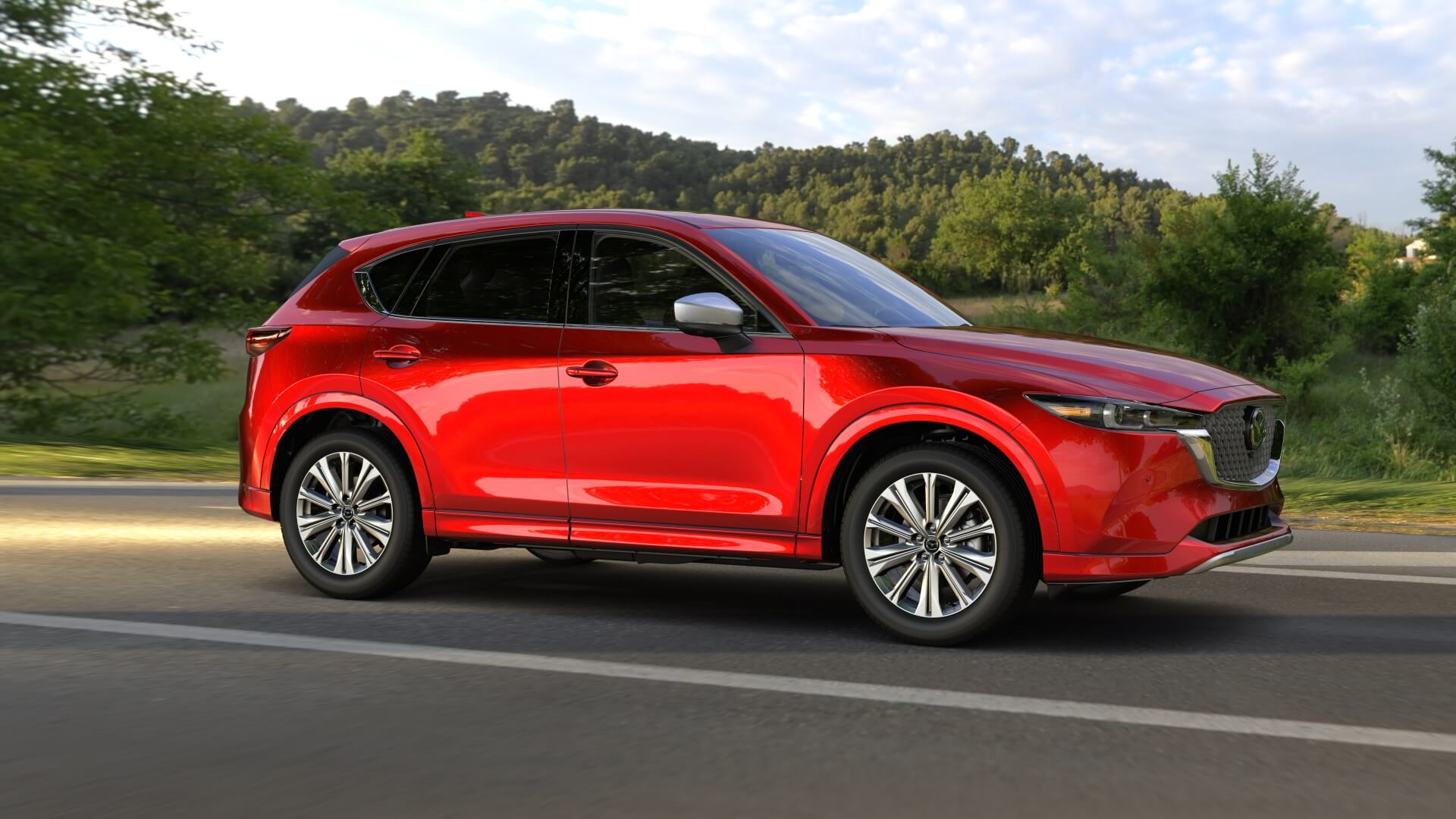
Deciding if the Mazda CX-3 fits your lifestyle comes down to whether you prioritize sharp driving dynamics and fuel efficiency over rear-seat legroom. Built on a subcompact footprint, this crossover pairs a naturally aspirated 2.0-liter engine with a traditional six-speed automatic transmission, skipping the sluggish continuously variable transmissions found in many rivals. While Mazda discontinued the model in North America after 2021 to make room for the slightly larger CX-30, it remains a popular choice on the used market. If you want a nimble commuter that handles more like a sporty hatchback than a tippy utility vehicle, it deserves a close look.
Before committing your cash, you have to weigh its tight cabin dimensions and firm ride quality against its low ownership costs. It shines brightest for solo drivers, couples, or small families who rarely ferry adults in the back. Let's look at how it performs across daily driving, common mechanical traits, and what you should check before buying one.
Driving Dynamics and Performance
The driving experience is where this crossover punches above its weight class. Under the hood, you get a 2.0-liter Skyactiv four-cylinder engine pushing out 148 horsepower. It doesn't throw you back in your seat, but the throttle response feels eager around town.
Because Mazda avoided CVTs and turbochargers on most trims, power delivery feels linear and predictable. The six-speed automatic shifts cleanly without hunting for gears on the highway. Steering weight is heavy enough to offer genuine feedback, giving you confidence on tight cloverleaf off-ramps or winding back roads.
Ride quality leans firm. If you drive over rough city potholes, you'll feel them. That stiffness is the trade-off for minimal body roll in corners. Road noise at highway speeds is noticeable, which is common for lightweight subcompacts trying to save fuel weight.
Interior Space and Practicality
Cabin space is the primary dealbreaker for buyers who haven't measured the rear dimensions. Up front, the seats offer great bolstering and a comfortable driving position for average heights. Outward visibility is decent, though the thick rear pillars create blind spots.
In the back seat, legroom is tight. Adults over six feet tall will find their knees pressed against the front seatbacks on anything longer than a short trip across town. Cargo capacity suffers from the sloping roofline. With the rear seats up, you get roughly 12.4 cubic feet of space, expanding to around 44 cubic feet with the seats folded flat. If you frequently load up bicycles, large strollers, or bulky luggage, you'll find it restrictive compared to modern subcompact alternatives.
Reliability and Common Issues
The mechanical core of this vehicle holds up exceptionally well over high mileage. The engine and transmission assembly rarely suffer from catastrophic failures. However, you should inspect specific weak points before buying a used model:
- Infotainment Glitches: Early models featured Mazda Connect screens that could freeze, lag, or suffer from ghost touches. Replacement digitizers are available, but it's annoying to troubleshoot.
- Air Conditioning Condensers: The exposed condenser grille design makes it vulnerable to stone chips, which can cause refrigerant leaks. Test the air conditioning immediately during a test drive.
- Suspension Wear: Check for front lower control arm bushing cracking or noisy wheel bearings if the vehicle has crossed the 60,000-mile mark.
For official recall details and safety information, you can consult the NHTSA Recalls Database. To check technical background on how manufacturer platforms evolve, look over the Mazda Official Site.
Fuel Economy and Running Costs
Fuel efficiency stands out as a major strength. Front-wheel-drive variants return around 29 mpg in the city and 34 mpg on the highway, while all-wheel-drive models sit close to 27 mpg city and 32 mpg highway. Routine maintenance requires standard fluid changes and brake service, with parts widely available and reasonably priced since the mechanical components share DNA with the popular Mazda3.
Insurance premiums tend to stay low because of the solid safety scores awarded by the Insurance Institute for Highway Safety. Brake pad and tire wear remain standard for a front-biased crossover, though you should check tread wear patterns for alignment issues.
Frequently Asked Questions
Does the Mazda CX-3 have Apple CarPlay and Android Auto?
Yes, but availability depends on the model year. Models built from 2019 onward often included smartphone integration natively or as a standard dealer-installed upgrade. For 2016 through 2018 models, you can have a dealership retrofit the hardware and software for a modest fee.
Is all-wheel drive worth getting on this car?
If you live in a region with heavy winter snow or frequent heavy rain, the predictive i-Activ AWD system adds good traction control. If you live in a dry or temperate climate, the front-wheel-drive version saves a bit of weight, improves fuel economy slightly, and removes one mechanical system to maintain.
How does it compare to the larger Mazda CX-5?
The CX-5 offers vastly superior rear legroom, a smoother highway ride, and much more cargo space. The CX-3 is shorter, narrower, and significantly easier to parallel park in tight urban environments.
What is the best model year to buy used?
Look toward the 2018 and 2019 model years. By these production years, Mazda ironed out the early infotainment bugs and suspension stiffness found in the initial 2016 launch edition, providing a more refined daily driving experience.



