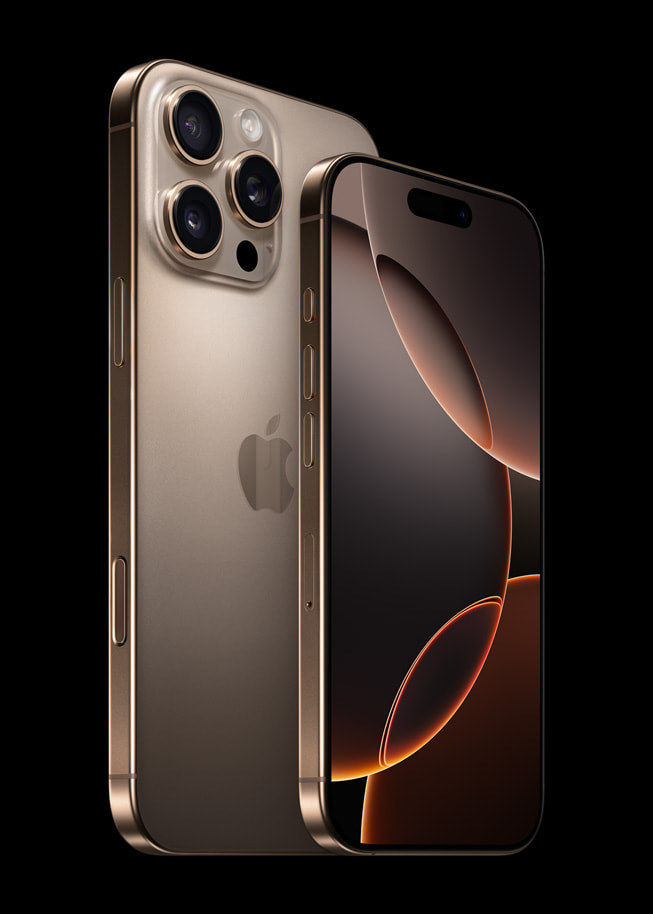
Is the iPhone 4 still worth it today? The short answer is no as a daily driver, because it stopped receiving software updates at iOS 7.1.2 and cannot run modern apps like WhatsApp, banking tools, or web browsers. However, it remains a fascinating piece of industrial design, a functional offline media player, and a nostalgic collector's item for tech enthusiasts.
Released by Apple back in 2010, the device introduced the iconic glass-and-steel sandwich chassis that permanently shifted mobile design standards. Evaluating its utility requires looking past the nostalgia to examine raw specifications, cellular compatibility, real software limitations, and DIY repair paths.
Hardware Specifications and Performance Reality
The technical blueprint of the device reflects an era when mobile computing was just scaling up. Underneath the glass exterior lies the single-core Apple A4 chip paired with 512MB of RAM.
- Display: 3.5-inch IPS LCD panel with a 960x640 resolution, achieving 326 pixels per inch—branded by Apple as the Retina display.
- Storage Options: Fixed capacities of 8GB, 16GB, or 32GB with no microSD slot for expansion.
- Cameras: A 5-megapixel rear shooter capable of 720p video recording, alongside a low-resolution VGA front-facing camera built strictly for early FaceTime calls over Wi-Fi.
While these numbers felt cutting-edge in 2010, they buckle under contemporary web demands. Simple web pages laden with heavy JavaScript scripts will cause the single-core processor to stall and Safari to crash repeatedly. To understand the bigger picture, we recommend the detailed analysis by The New York Times.
Software Limits and App Store Compatibility
Software obsolescence is the primary barrier preventing practical use. The final software version supported by this hardware is iOS 7.1.2.
Modern mobile infrastructure relies on APIs and security frameworks introduced in much later operating system versions. Almost every application on the App Store demands iOS 15 or newer. Attempting to download mainstream social media clients, streaming platforms, or messaging tools results in compatibility blockades. You cannot log into current communication networks unless you rely on mobile web wrappers—which themselves fail on modern secure TLS cipher suites.
Connectivity and Cellular Network Hurdles
Beyond software, network infrastructure has evolved past what this hardware can handle.
- Cellular Bands: The standard GSM model relies on 3G HSPA networks, while the CDMA variant was built for legacy carrier networks.
- The 3G Sunset: Major telecommunication carriers worldwide have shut down or are actively decommissioning their 3G networks to repurpose spectrum for 4G LTE and 5G.
- Result: Even if you cut down a modern nano-SIM to fit the micro-SIM tray, making traditional voice calls or accessing cellular data will prove impossible in regions where legacy carrier bands no longer broadcast. Wi-Fi connectivity via older 802.11 b/g/n routers still functions, though WPA3 security protocols may cause handshake failures.
Repairability and Parts Availability
If you own a unit with a shattered glass back or a dead cell, fixing it yourself is surprisingly straightforward because older modular architecture predates heavy glue usage. Companies like iFixit still stock replacement parts such as batteries, dock connector assemblies, and replacement glass panels.
Replacing a battery requires removing a couple of Phillips screws on the bottom edge, sliding the back glass upward, and disconnecting a single clip. Official support from Apple ended long ago when the device was classified as obsolete, meaning any maintenance falls entirely on independent repair shops or DIY grit.
Practical Alternative Uses
Since daily smartphone tasks are out of reach, owners often repurpose the hardware for alternative hobbies:
- Dedicated iPod: Load local MP3 files via a legacy computer running iTunes to use the device as a dedicated offline music player with a physical headphone jack.
- Distraction-Free Camera: Take raw, low-resolution 5-megapixel photos with a distinct vintage aesthetic reminiscent of early digital point-and-shoots.
- Display Piece: Showcase the industrial design on a desk stand as a monument to early mobile evolution.
Frequently Asked Questions
Can I use an iPhone 4 for phone calls today?
In most regions, no. Because the device lacks 4G LTE and VoLTE capabilities, it relies entirely on 3G networks that have been shut down by major cellular providers.
Why won't apps download from the App Store?
The App Store requires newer operating system architectures. Because the hardware tops out at iOS 7.1.2, modern application binaries are entirely incompatible with the system's runtime environment.
Is it difficult to replace the battery?
Not at all. The modular construction features a removable back panel that exposes the battery connector immediately, making it one of the easiest phones in history to service with basic tools.
Does the GPS still work without a cellular connection?
A-GPS hardware is built into the logic board, but without active cellular triangulation or downloadable offline maps compatible with iOS 7, navigation is practically non-functional.


