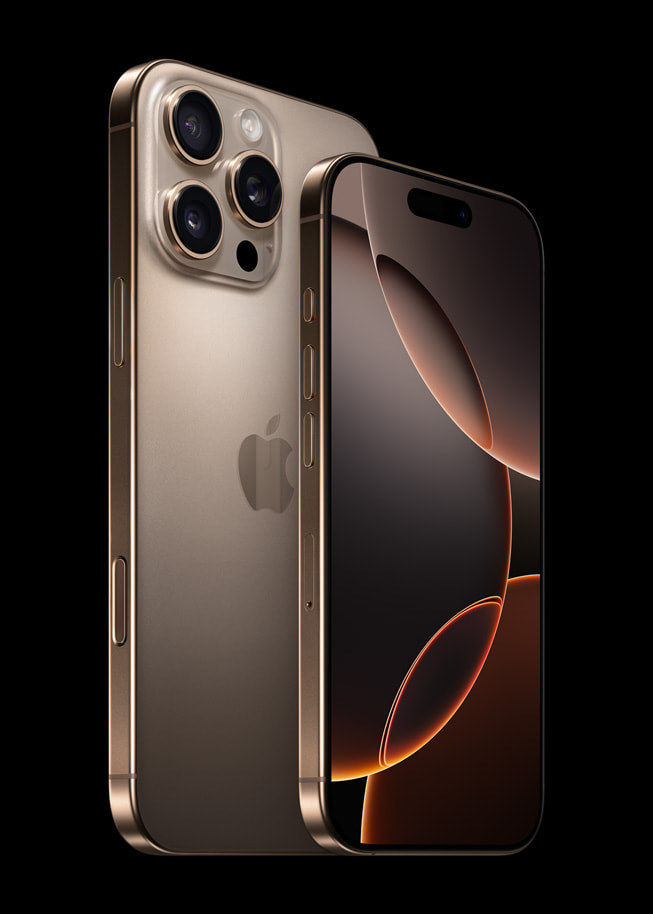
When Apple introduced the iPhone 14 Pro Max, it brought the first major design pivot in years with the Dynamic Island and a high-resolution 48-megapixel camera sensor. Years later, shopping for a secondhand or refurbished flagship phone often leads buyers right back to this heavy stainless steel powerhouse. If you are wondering whether this device still holds its ground against newer releases, the short answer is yes. It delivers flagship performance, a premium screen, and robust build quality at a fraction of its original launch cost.
Choosing a slightly older pro-tier phone often makes more financial sense than buying a base model brand new. Apple builds its hardware to last, meaning a well-maintained device handles modern applications, heavy multitasking, and demanding games without breaking a sweat. Yet, considerations like battery degradation, lack of certain exclusive AI features, and a heavier chassis require careful thought before you hand over your credit card.
Performance and Processing Power
At the heart of the device sits the A16 Bionic chip, paired with 6GB of RAM. While Apple has since pushed forward with newer silicon generations, the day-to-day speed difference between this chip and current processors remains negligible for most users. Browsing social media, editing 4K video clips, and switching between dozens of open tabs happen instantly.
The 5-core GPU handles graphic-intensive titles smoothly, maintaining stable frame rates during extended gaming sessions. Because Apple provides software updates for an average of five to seven years, this hardware will continue receiving the latest iOS features for a long time. You won't face the sudden app incompatibilities that usually plague mid-range Android devices from the same era.
Display and Daily Usability
The 6.7-inch Super Retina XDR display remains one of the device's strongest selling points. Featuring ProMotion technology with an adaptive 120Hz refresh rate, scrolling through text and animations looks buttery smooth. Outdoor visibility is exceptional, peaking at 2,000 nits, which means you can easily read messages in direct sunlight.
The introduction of the Dynamic Island changed how background activities like music playback, timers, and ride-sharing updates are displayed. It feels just as modern today as it did on day one. However, the physical footprint of the phone demands attention. Weighing 240 grams with flat stainless steel edges, it is undeniably heavy. Prolonged one-handed use causes hand fatigue quickly, making a sturdy pop socket or a comfortable case almost mandatory.
Camera System Capabilities
Mobile photography has evolved incrementally rather than radically over recent upgrade cycles. The 48-megapixel main camera on this model captures incredible detail, dynamic range, and low-light performance using pixel binning.
- Main Sensor: 48MP resolution producing crisp, detailed 12MP default shots or full-resolution ProRAW files.
- Telephoto Lens: 3x optical zoom for close-up portraits without digital pixelation.
- Ultrawide Lens: 12MP sensor with macro capability for sharp close-up shots of small objects.
- Video Quality: Cinematic mode and Action mode provide stabilized, professional-grade video output that rivals dedicated consumer cameras.
While newer models offer extended optical zoom ranges or advanced coating reductions for lens flare, the photos shot on this device look indistinguishable from current generation flagships in standard lighting conditions.
Battery Health and Longevity
Battery longevity is the single most critical factor when purchasing a used phone. The original battery capacity of 4,323 mAh easily delivers a full day of heavy use on a single charge when new. However, if you are buying a pre-owned unit, check the maximum capacity percentage in the battery settings menu.
If the health indicator sits below 80 percent, expect to budget for a replacement battery. Fortunately, replacing the battery restores the original runtime completely. Charging speeds max out around 20W to 27W via wired connection and 15W via MagSafe, which keeps charging times reasonable even if they lag behind ultra-fast charging standards found in some competing brands.
Value Retention and Pricing
Buying a secondhand or refurbished flagship allows you to bypass the steep depreciation hit that happens during the first year of ownership. You get premium titanium-grade design equivalents (via stainless steel), pro camera features, and top-tier screen technology for a fraction of a brand-new base model's price.
Compare the secondhand cost against a brand-new standard model. Often, a pre-owned pro model provides superior telephoto cameras, a smoother high-refresh-rate screen, and premium build materials for a similar or lower investment.
Frequently Asked Questions
Does the device support Apple intelligence features?
Apple restricts certain advanced on-device artificial intelligence features to newer chip architectures. If full integration of on-device generative AI models is a priority for your workflow, you may want to look at newer hardware generations.
How many years of software updates remain?
Apple typically supports its pro lineup with major iOS updates for 5 to 7 years from its release date. This device will continue receiving security patches and system updates for several more years, ensuring safe and modern operation.
Is the weight really that noticeable?
Yes. At 240 grams, it is one of the heaviest mainstream consumer phones ever built. Users transitioning from smaller or lighter base models generally need a short adjustment period to get used to the heft in their pockets or hands.
Should I buy refurbished or private party?
Purchasing from a certified refurbished retailer with a warranty protects you against hidden hardware defects, bad batteries, or carrier-blacklisted devices. Private party sales can save you extra money, but always verify the battery health and iCloud status before exchanging cash.