Yes, Taiwan is located squarely in East Asia. Situated in the Western Pacific Ocean, the island lies roughly 100 miles off the southeastern coast of mainland China, south of Japan's Ryukyu Islands, and north of the Philippines. While its geographic placement is indisputable, questions about Taiwan often stem from its complex political status rather than its coordinates on a map. Its distinct governance, contested international recognition, and evolving local identity create a unique intersection of geography and global politics.
Understanding Taiwan's position requires looking past simple cartography into how history, international law, and regional security intersect. From its physical location in the Pacific Rim to its high-tech economy and democratic institutions, Taiwan operates as an integral anchor of the East Asian sphere, even as major global powers debate its formal diplomatic standing.
Geographic Realities of the Taiwan Strait
Geographically, Taiwan forms part of the East Asian continental shelf and island chains. The main island, historically known to Western cartographers as Formosa, spans roughly 13,900 square miles and supports a population of over 23 million people. It is surrounded by several regional bodies of water:
- The Taiwan Strait to the west, separating the island from mainland China.
- The East China Sea to the north.
- The Philippine Sea and Pacific Ocean to the east.
- The Bashi Channel to the south, dividing it from the Philippines.
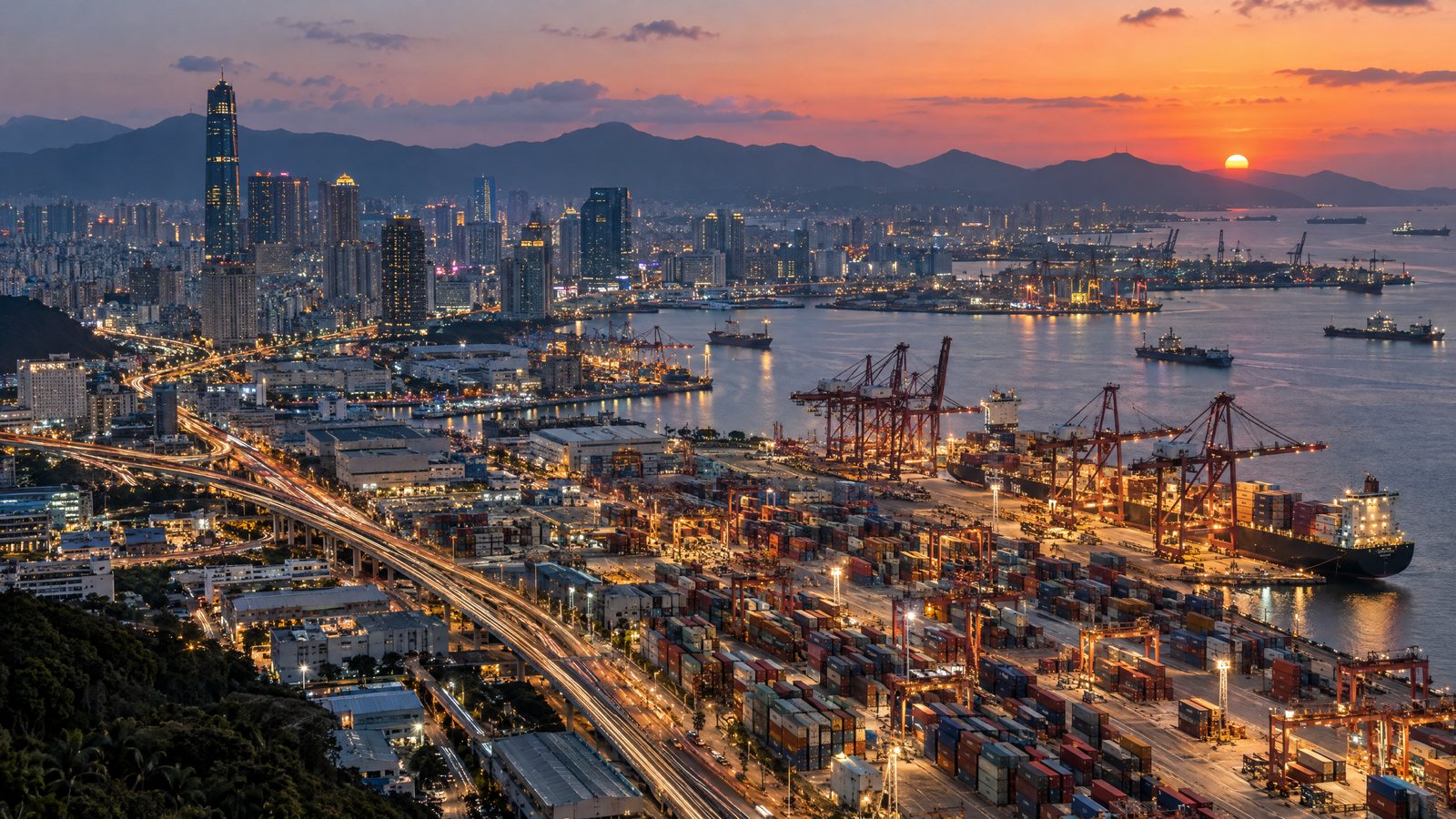
Because of this strategic maritime positioning, the island acts as a natural gateway between Northeast Asia and Southeast Asia. Shipping lanes coursing through the Taiwan Strait carry a massive share of the world's container ships, making the region vital to global commerce.
The Political Puzzle: Sovereignty and Global Recognition
While maps place Taiwan in Asia without ambiguity, global politics complicate how the territory interacts with international bodies. Officially named the Republic of China (ROC), the government in Taipei functions as an independent, self-governing democracy with its own constitution, military, passport, currency (the New Taiwan Dollar), and legal system.
However, the People's Republic of China (PRC) in Beijing claims Taiwan as its 23rd province, operating under the "One China" principle. This diplomatic friction means most nations do not maintain official, formal diplomatic ties with Taiwan to avoid severing economic and political ties with Beijing. Instead, countries like the United States conduct robust, unofficial relations through entities like the American Institute in Taiwan.
Despite its exclusion from the United Nations—from which it withdrew its representation in 1971—Taiwan participates in regional forums under compromise names like "Chinese Taipei," allowing it to sit alongside other Asian nations in organizations such as the Asia-Pacific Economic Cooperation (APEC).
The Evolution of Taiwanese Identity
Internal identity on the island has shifted dramatically over recent decades. For generations following the retreat of the Kuomintang (Nationalist) government to Taiwan in 1949, official policy emphasized a shared Chinese cultural and political lineage.
Today, that landscape looks entirely different. Public opinion polls and sociological studies consistently show that a commanding majority of residents identify primarily as Taiwanese rather than Chinese, a trend most pronounced among younger generations. This shift is driven by several factors:
- The growth of a distinct domestic civic culture shaped by democratization in the late 1980s and 1990s.
- Decades of separate economic and social development distinct from mainland oversight.
- A vibrant indigenous heritage and multicultural history that predates twentieth-century migration waves.
This growing sense of local identity does not point toward uniform political maneuvers; rather, the prevailing sentiment among the public favors maintaining the status quo—avoiding both formal declarations of independence and political unification under Beijing's model to preserve peace, economic stability, and democratic freedoms.
Economic and Strategic Weight in Asia
Beyond politics and identity, Taiwan's footprint in Asia is defined by its industrial capacity. The island serves as the heartbeat of global semiconductor manufacturing, producing the vast majority of the world's most advanced microchips through firms like Taiwan Semiconductor Manufacturing Company (TSMC). Without these components, global supply chains for consumer electronics, automotive manufacturing, and artificial intelligence hardware would grind to a halt.
As regional powers navigate shifting security dynamics in the Western Pacific, Taiwan remains a focal point for international trade routes, defense planning, and diplomatic strategy. Its integration into the economic fabric of Asia is deep, structural, and permanent.
Frequently Asked Questions
Is Taiwan recognized as an independent country by the United Nations?
No. Taiwan was a founding member of the UN as the Republic of China, but in 1971, Resolution 2758 recognized the People's Republic of China as the only legitimate representative of China to the UN. Taiwan currently maintains official diplomatic ties with a small group of sovereign nations, alongside robust unofficial relations with dozens of others.
What language do people speak in Taiwan?
Mandarin Chinese is the official language and is used in government and education. However, Min Nan (often called Taiwanese) and Hakka are widely spoken across the island, alongside approximately 16 distinct indigenous Austronesian languages.
Is Taiwan considered part of East Asia or Southeast Asia?
Geographically and culturally, Taiwan is classified as part of East Asia, grouping it alongside China, Japan, South Korea, and Mongolia.
Do travelers need a visa to visit Taiwan?
Passport holders from many Western nations, including the United States, Canada, and members of the European Union, enjoy visa-exempt entry for tourism and business stays ranging from 90 days, provided their passports meet validity requirements.



