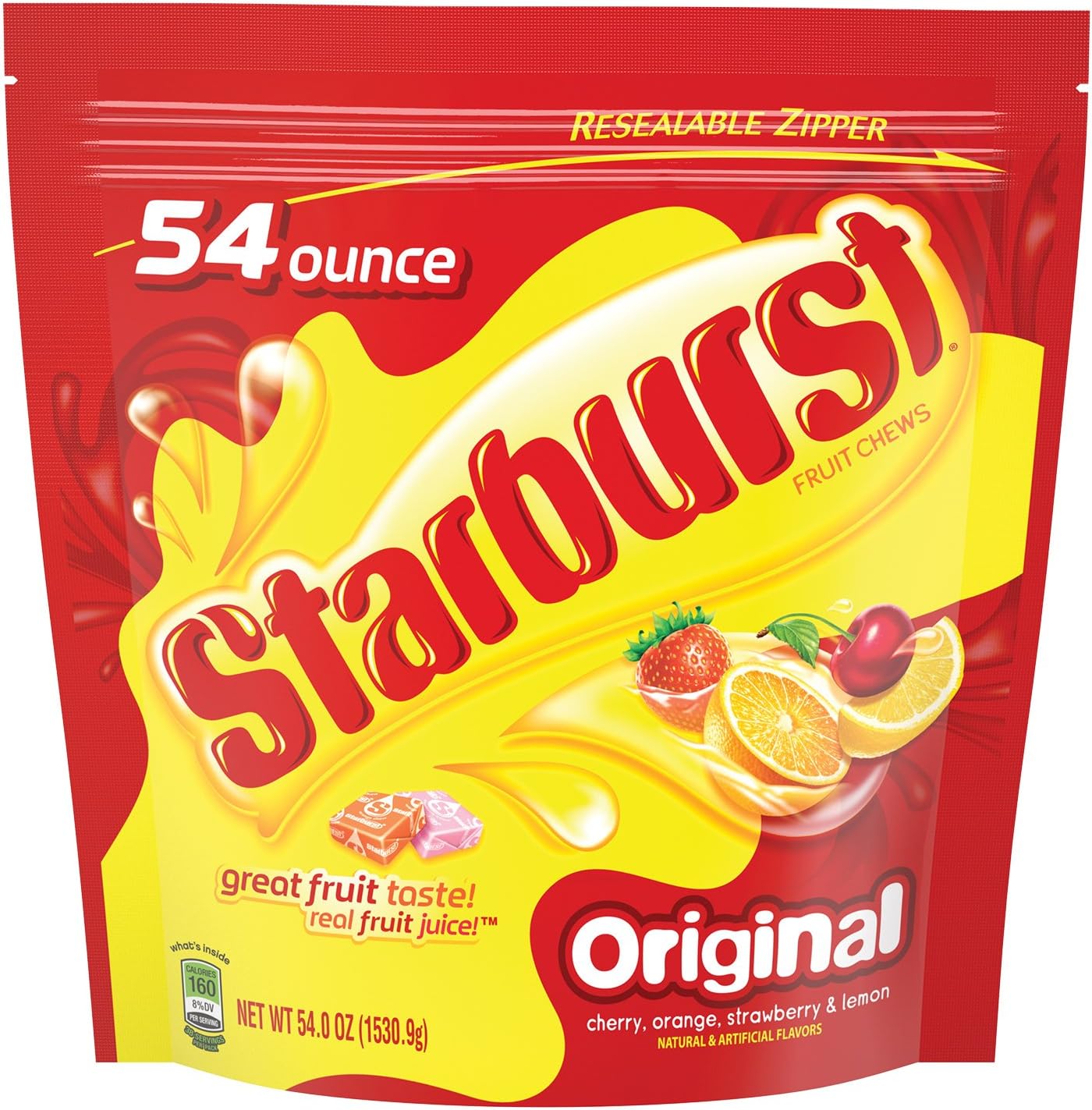
If you live in the United States and follow an Islamic diet, grabbing a pack of fruit chews requires a careful look at the wrapper. Standard American candy manufacturing often relies on animal byproducts that complicate dietary choices.
Traditional is starburst halal status in the United States is a clear no for strict observers. Mars Inc., the parent company behind the brand, uses animal-derived gelatin in standard American formulations. Because this gelatin frequently stems from pork or non-zabiha bovine sources, the classic chewy squares do not meet standard requirements for halal consumption.
Let us break down the exact components, regional variations, and alternative sweets you can trust without second-guessing the label.
US Starburst Ingredients and Gelatin Sources
The primary hurdle for Muslim consumers in America is the inclusion of gelatin. Gelatin acts as a gelling agent, giving the candy its signature stretchy, chewy texture.
In the United States, commercial gelatin usually comes from the skin, bones, and connective tissue of pigs or cows. Mars corporate statements confirm that standard US Starburst products utilize a mixture of animal-derived gelatins, including pork. Because the packaging rarely specifies whether a particular batch used beef or pork, and uncertified beef does not clear Islamic slaughter guidelines, scholars classify the standard US recipe as haram.
Beyond gelatin, you will find other ingredients on the back of a standard US pack:
- Corn syrup and sugar
- Hydrogenated palm kernel oil
- Citric acid
- Tapioca dextrin
- Modified corn starch
- Natural and artificial flavors
- Coloring agents including Red 40, Yellow 5, Yellow 6, and Blue 1
While sugars and fruit flavorings are generally permissible on their own, the binding agent remains the dealbreaker.
Regional Differences: US Versus International Recipes
You might have heard friends overseas claim that these fruit chews are completely fine to eat. Geography plays a massive role in candy manufacturing.
In the United Kingdom and several European markets, Mars Wrigley reformulated the classic recipe. European packs dropped animal gelatin entirely, swapping it for a modified starch binder. Those versions carry a vegetarian-friendly label and contain no animal derivatives or alcohol.
Unfortunately, that plant-based update never crossed the Atlantic. American factories continue using the traditional gelatin-heavy recipe. If you buy imported UK Starbursts at a specialty British goods store in the US, those specific packages are permissible, but domestic supermarket shelves stock the local, gelatinous version.
Do Other Starburst Line Extensions Contain Gelatin?
Mars frequently rolls out spin-off products, which can confuse shoppers trying to find a loophole.
Standard fruit chews, Starburst Gummies, and Starburst Airs all rely on animal gelatin to achieve their textures. If you check the ingredient deck on a bag of gummies, gelatin sits right near the top of the list.
What about Starburst Minis? American versions of the Minis replace traditional gelatin with pectin, a plant-based starch derived from fruits. However, before you celebrate, check the coating: Minis often feature a confectioner's glaze (shellac). While shellac is an insect secretion and accepted by some schools of thought, strict dietary adherents often avoid products with shiny confectioner's coatings due to varying scholarly interpretations.
Common Mistakes to Avoid
Navigating grocery store aisles can lead to accidental dietary slips if you rely on quick assumptions.
- Assuming all fruit candy is safe: Many people think fruit-flavored sweets are automatically vegetarian or halal because they taste like fruit. Always flip the package over to check the binder.
- Confusing domestic and imported stock: Never assume that advice found on UK or Middle Eastern food blogs applies to your local American grocery store.
- Skipping the fine print on new releases: Seasonal holiday shapes or limited-edition packaging sometimes alter the manufacturing plant or ingredient suppliers, shifting the gelatin source without warning.
Certified Halal Candy Alternatives in the US
If you want a sweet, chewy fix without compromising your values, the American market offers several certified options. Brands that undergo formal third-party inspection provide complete peace of mind.
Look for treats carrying an official halal or kosher certification symbol on the back. Kosher supervision, particularly from recognized agencies like the Orthodox Union (OU), ensures that no pork products touch the production line, making them safe for many Muslim consumers depending on personal scholarly guidance regarding gelatin sources. Brands like YumEarth also provide allergen-friendly, gelatin-free fruit chews that use organic plant ingredients.
Frequently Asked Questions
Do US Starbursts contain pork?
Yes. Mars Inc. confirms that standard US formulations use animal-derived gelatin, which frequently includes pork sources.
Are Starburst Minis halal in the US?
While Starburst Minis drop the traditional gelatin in favor of fruit pectin, they often include confectioner's glaze, meaning you should check specific packaging details or opt for fully certified alternatives.
Why did the recipe change in the UK but not the US?
Consumer demand, local food regulations, and supply chain logistics push multinational corporations to alter recipes region by region. The UK market shifted toward plant-based alternatives, while US consumer preference and mass production kept the legacy formula intact.
Are artificial colors in Starburst halal?
Synthetic dyes like Red 40 and Yellow 5 are chemically synthesized petroleum products and are generally considered permissible, provided they do not involve haram processing aids or alcohol solvents.



