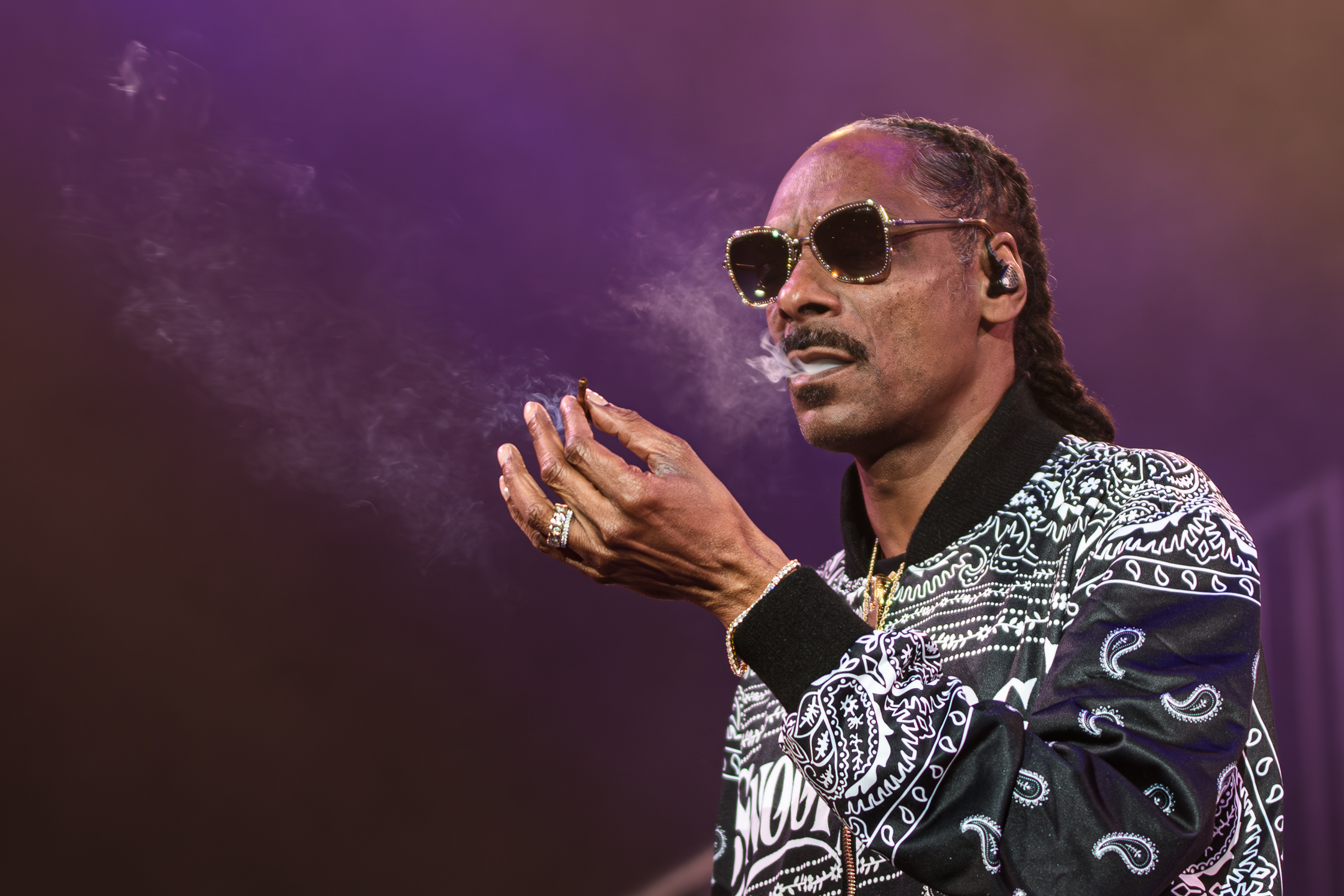
Is Snoop Dogg a Felon? The Short Answer
No, Snoop Dogg is not a convicted felon. Despite facing severe criminal charges—including a high-profile 1993 murder trial and various drug and weapons offenses over decades in the public eye—he managed to avoid felony convictions that stuck as permanent felony records. His most notorious legal battle ended in an acquittal, while other lesser charges resulted in dismissals, probations, or misdemeanors rather than a crippling felony record.
People often confuse his early gang-affiliated lifestyle and gritty lyrical content with a prison-bound criminal record. While he did spend time behind bars or under house arrest during pending trials, his legal team successfully navigated the American judicial system to protect him from permanent felony disenfranchisement.
The 1993 Murder Case and High-Stakes Trial
The defining moment of Snoop Dogg's legal history happened in August 1993. Calvin Broadus (known professionally as Snoop Dogg) and his bodyguard, McKinley Lee, were arrested and charged with first- and second-degree murder following the shooting death of Philip Woldemariam, a member of a rival local group at Palms Park in Los Angeles.
The Incident at Palms Park
The altercation stemmed from escalating neighborhood tensions. An initial verbal confrontation occurred near Snoop's apartment. Hours later, the parties crossed paths again at a park. According to witness testimony and court records, Woldemariam approached the vehicle Snoop was driving. McKinley Lee fired a shot from the Jeep, fatally wounding Woldemariam.
Snoop drove away from the scene, and both men turned themselves in to authorities weeks later. The case paralyzed the young rapper's career just as his debut album, Doggystyle, was set to launch.
The Defense and Verdict
Snoop and Lee retained high-profile defense attorney Johnnie Cochran (fresh off his prominence in major trials) to fight the charges. The defense argued self-defense, asserting that Woldemariam was reaching for a firearm tucked into his waistband.
In February 1996, the jury delivered its verdict:
- Snoop Dogg and McKinley Lee were acquitted of first- and second-degree murder.
- The jury deadlocked on lesser charges of voluntary manslaughter, eventually leading to a dismissal.
- Civil litigation brought by the victim's family was later settled out of court.
Because the jury cleared him of the murder charges, Snoop walked away without a homicide or major felony conviction from the trial that inspired his famous track "Murder Was the Case".
Other Legal Hurdles and Minor Arrests
While the murder trial remains the anchor of queries regarding his criminal status, Snoop has faced several other brushes with law enforcement over the years. None of these incidents resulted in a permanent felony record that stripped away his civic rights.
- Early Drug and Weapon Charges (1989–1990): Before achieving mainstream fame, a young Broadus picked up drug possession charges that resulted in brief incarceration. However, youthful indiscretions and subsequent legal clearances or expungements did not aggregate into a career-defining felony status.
- Firearm and Traffic Violations (1990s): Throughout his rise to superstardom, traffic stops occasionally yielded weapon or drug citations. Legal representation consistently resolved these through plea bargains, probation, or misdemeanor reductions.
- International Travel Bans: Countries like the United Kingdom and Australia temporarily restricted his entry in the 2000s due to his past arrests and controlled substance infractions. These international restrictions reflect foreign immigration policies rather than domestic felony convictions.
For more details on global legal frameworks and how criminal records affect travel, you can review guidelines provided by the U.S. Department of State.
Common Misconceptions About Rap Icons and Criminal Records
The public frequently conflates artistic persona with actual criminal history. Gangsta rap relies heavily on authentic street narratives, which leads casual listeners to assume the artists are hardened criminals.
Snoop Dogg actively cultivated a persona rooted in West Coast street culture. When an artist sings about gun violence, drug deals, and courtrooms, listeners often assume life imitates art directly. In reality, Snoop's transition into an American mainstream staple—hosting cooking shows with Martha Stewart, carrying the Olympic torch, and running business enterprises—proves he operates as a corporate entity and media mogul, a status incompatible with active felony disenfranchisement.
Frequently Asked Questions
Did Snoop Dogg serve prison time?
He spent time in jail following his initial arrest in 1993 while awaiting trial, and he served brief stints or probation for minor infractions later in life, but he never served a long-term prison sentence for a major felony.
What was the final outcome of the 1996 trial?
Snoop Dogg was acquitted of all murder and assault charges. The jury deadlocked on manslaughter, which resulted in the charges being dropped.
Can Snoop Dogg vote?
Yes. Because he was never convicted of a disqualifying felony offense, he retains his full voting rights and civic privileges under American law.
Did Snoop's legal troubles help his career?
While intensely stressful and financially draining at the time, the intense media coverage surrounding his 1993 trial generated massive public curiosity, heavily boosting early album sales for Doggystyle.



