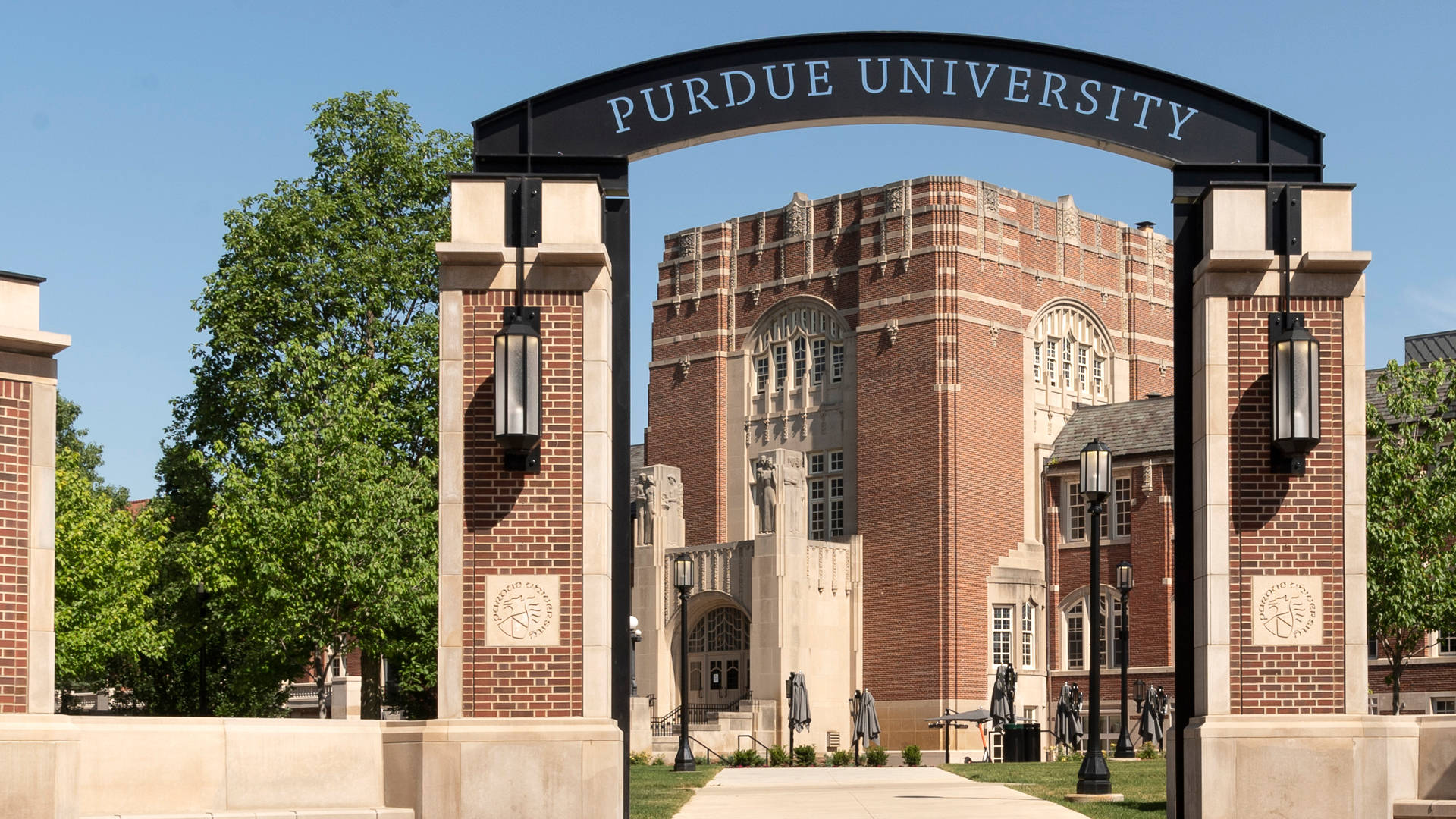
Is Purdue University private or public? Purdue University is a public research university system in the United States, headquartered in West Lafayette, Indiana. Founded in 1869 following a land grant by the federal Morrill Act, it operates as a state-funded institution governed by a board of trustees appointed largely by the state's governor. It is not a private college, though its massive global research footprint and historic corporate partnerships sometimes lead people to confuse its scale with that of a private institution.
Understanding how a major public land-grant university functions helps you navigate college admissions, out-of-state tuition rates, state funding structures, and research appropriations. This breakdown looks at what makes Purdue public, how it differs from private alternatives, and what its operational structure means for students.
The Land-Grant Foundation and State Ties
The core of Purdue University's public identity rests on its origin as a land-grant institution. In 1862, Congress passed the Morrill Land-Grant Acts, which provided grants of federally controlled public land to states to sell. The proceeds funded the establishment of colleges focused on agriculture and the mechanic arts.
In 1869, Indiana accepted these federal provisions and received a generous financial endowment from Lafayette businessman John Purdue, alongside additional donations from Tippecanoe County citizens. The Indiana General Assembly voted to establish the new institution in West Lafayette and named it Purdue University in his honor.
Because of this legislative creation, Purdue remains an instrumentality of the state of Indiana. Its legal mandate centers on serving the educational and economic needs of Indiana residents, providing accessible higher education, and conducting agricultural extension work across every county in the state.
Governance and State Oversight
Public universities differ sharply from private institutions in how they answer to the public. Private schools are governed by self-perpetuating boards of trustees that answer only to their own bylaws and nonprofit charters. Purdue, by contrast, operates under a board of trustees whose members are appointed by the Governor of Indiana, with specific seats reserved for alumni-elected representatives.
State accountability also dictates how Purdue handles legislation, open records laws, and public audits. As a public entity in Indiana, Purdue must comply with the Indiana Access to Public Records Act, meaning administrative documents, financial records, and public meeting minutes are generally open to public scrutiny. Private universities enjoy much higher levels of operational privacy under corporate nonprofit guidelines.
State Funding vs. Tuition Revenue
People often assume that public universities are primarily funded by state tax dollars. Modern reality looks very different. State appropriations make up only a fraction of Purdue's total operating budget. The vast majority of its revenue comes from tuition and fees, federal research grants, auxiliary enterprises like housing and dining, and private philanthropy.
Even though state support represents a smaller percentage of the total ledger today than it did decades ago, that state backing anchors its public status. It allows the university to offer subsidized tuition rates for Indiana residents compared to students coming from other states or countries. Private universities do not offer in-state tuition discounts based on residency because they do not receive direct recurring operating appropriations from state treasuries.
Comparing Public Land-Grants to Private Universities
To understand Purdue's position, it helps to compare the structural realities of public flagships and land-grants against private research institutions.
- Tuition Rates: Public universities maintain distinct tuition tiers, charging lower rates for state residents whose tax dollars support the system. Private universities charge the exact same tuition rate regardless of where a student lives.
- Size and Scale: Land-grant institutions like Purdue typically enroll massive undergraduate populations and span extensive physical footprints, agricultural research stations, and statewide extension networks. Private universities often maintain smaller, more tightly controlled undergraduate populations.
- Research Focus: While both public and private institutions conduct heavy research, land-grants historically prioritize practical, applied research in agriculture, engineering, and industry to drive local economic development.
- Endowments: Private universities frequently boast massive per-student endowments built entirely through private donations and centuries of investment returns. Public universities have large aggregate endowments, but they are often distributed across complex state systems and restricted funds.
Why People Get Confused About Purdue's Status
Several unique factors make casual observers wonder if Purdue is private. First, its massive scale and global reputation rival elite private institutions, particularly in engineering, computer science, and aviation. Programs like the Purdue Polytechnic Institute and the selective honors college operate with high prestige that matches Ivy League metrics.
Second, under the long-standing leadership of former university president Mitch Daniels, Purdue instituted a historic undergraduate tuition freeze that lasted over a decade. Keeping tuition flat from 2012 through the early 2020s attracted national media attention more commonly associated with wealthy private universities using endowment payouts to cut prices.
Third, Purdue's aggressive push into commercialization, patent generation, and corporate research parks creates an entrepreneurial ecosystem that feels corporate rather than bureaucratic. Initiatives like the acquisition of the former Kaplan University to form Purdue Global expanded its reach into the online space, blurring traditional lines between public mission and private enterprise.
What Public Status Means for Students
For prospective students and their families, Purdue's public status carries direct practical implications:
- In-State Affordability: Indiana residents benefit from subsidized tuition rates that have been kept remarkably stable through strict institutional budgeting.
- Admissions Selectivity: While Purdue welcomes a large incoming class each year, admission standards for competitive programs like computer science and engineering have risen dramatically, matching the competitiveness of top-tier private schools.
- Federal Financial Aid: As an accredited public university, students qualify for federal financial aid programs, including Pell Grants, federal student loans, and work-study opportunities.
- State-Level Scholarships: Indiana residents can leverage state-sponsored financial aid programs, such as the 21st Century Scholars program, directly at Purdue.
You can review official details regarding student admissions, state accountability reports, and institutional governance directly on the Purdue University Official Site. For broader context on how land-grant institutions operate across the country, check the guidelines maintained by the Association of Public and Land-grant Universities.
Frequently Asked Questions
Is Purdue an Ivy League school?
No. Purdue is not an Ivy League institution. The Ivy League is an athletic conference consisting of eight private northeastern universities, including Harvard, Yale, and Princeton. Purdue is a public land-grant research university in the Midwest.
Does Purdue charge out-of-state students higher tuition?
Yes. Because Purdue is a public university supported by Indiana taxpayers, it charges lower tuition rates to in-state residents. Out-of-state and international students pay a higher tuition rate that reflects the lack of state tax contributions from their families.
Is Purdue part of the University of Indiana?
No. Purdue University and Indiana University are entirely separate, independent public university systems with their own boards of trustees, administrations, and academic identities, though they do occasionally collaborate on joint medical and engineering programs.
Does Purdue get most of its money from the state of Indiana?
No. State appropriations make up a minor percentage of Purdue's overall operating budget. The university generates most of its revenue through student tuition, federal and corporate research grants, auxiliary services, and private donations.



