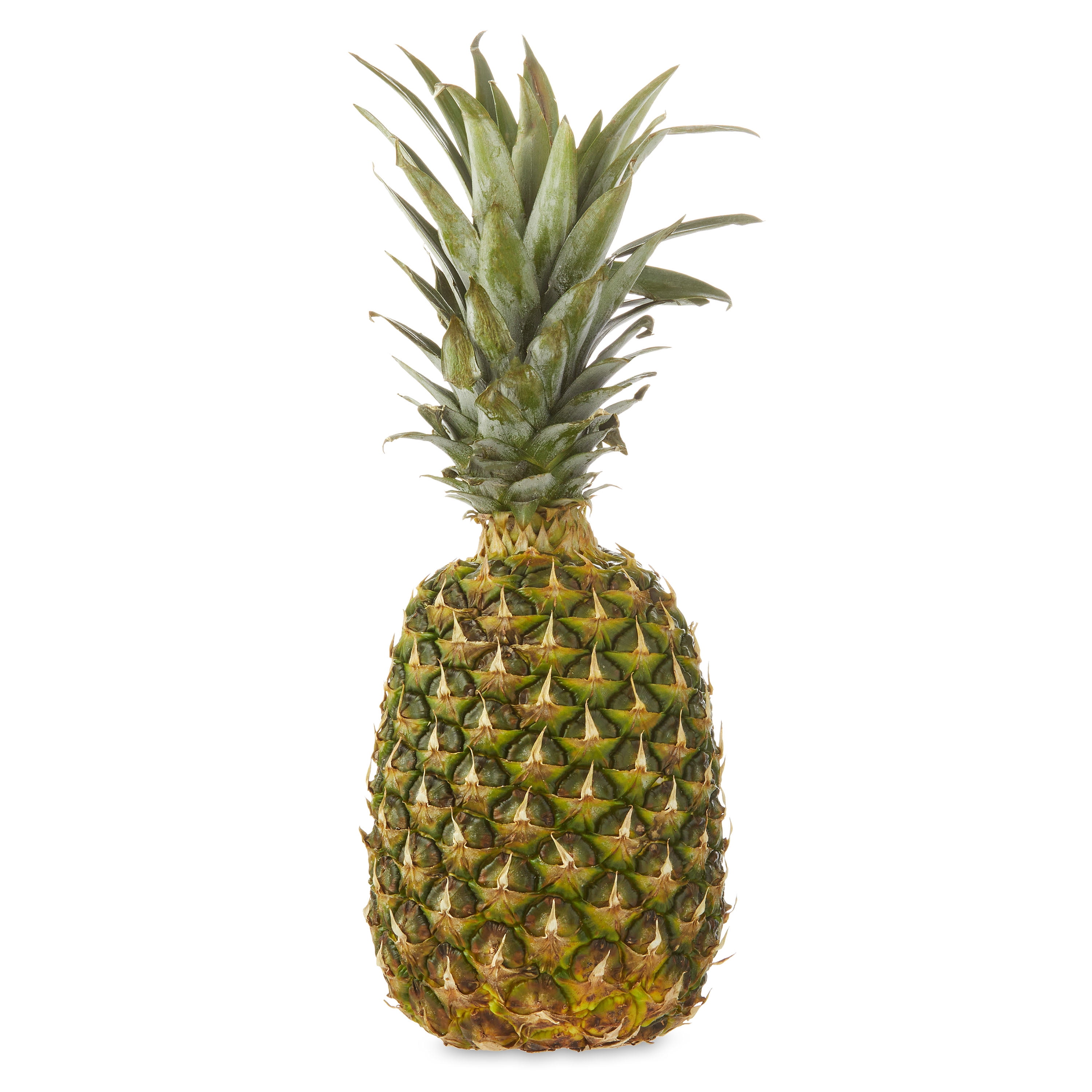
Is pineapple a citrus fruit? No, it's not. Even though it packs a sharp, tangy punch and shares shelf space with oranges and grapefruits in fruit salads, a pineapple belongs to an entirely different botanical lineage. Citrus fruits originate from trees belonging to the Rutaceae family, whereas pineapples are the product of a low-growing tropical plant from the Bromeliaceae family.
The confusion stems from culinary habits rather than science. In the kitchen, we group high-acid, bright, refreshing produce together. Because a fresh pineapple bites back with a tart flavor profile that mimics lemons or limes, people assume they're related. Let's break down the actual biology, look at why our brains make this connection, and clear up common misconceptions about this unusual tropical crop.
Botanical Classification: Why Pineapples Aren't Citrus
To understand why pineapples stay entirely separate from citrus, look at how botanists classify plants. Citrus fruits belong to the Citrus genus within the rue family (Rutaceae). Every classic citrus fruit—lemons, limes, oranges, tangerines, and kumquats—shares this specific genetic tree.
Pineapples take a completely different path. They belong to the Ananas genus inside the Bromeliad family (Bromeliaceae). Bromeliads are mostly herbaceous perennials rather than woody trees. Here is how they stack up structurally:
- Growth Habit: Citrus fruits grow on sturdy woody trees or large shrubs. Pineapples grow as terrestrial herbs, with stiff, spiky leaves radiating outward from a central stem close to the ground.
- Fruit Structure: A citrus fruit is a specialized berry called a hesperidium, featuring distinct segments filled with juice vesicles encased in a leathery peel. A pineapple is actually a multiple fruit (or collective fruit). It forms when dozens of individual flower berries merge together around a central core as they mature.
- Reproduction: Most commercial citrus varieties rely heavily on seeds for propagation in nature, though modern farming uses grafting. Pineapples rarely produce viable seeds; instead, farmers propagate them using crowns, slips, or suckers growing off the parent plant.
According to the Missouri Botanical Garden, plant families are organized by fixed evolutionary traits rather than taste or culinary application. Because the Bromeliaceae and Rutaceae families diverged millions of years ago, calling a pineapple "citrus" is biologically incorrect.
Kitchen Myths: Why We Confuse Pineapple with Citrus
Culinary definitions often clash with plant science. In professional kitchens and home cooking, chefs organize ingredients by flavor, acidity, and how they react with fats and proteins. This functional grouping creates lasting food myths.
The Acidity Overlap
Many home cooks assume acid automatically equals citrus. Citrus fruits get their sharp bite primarily from citric acid. Pineapples derive their aggressive tang from a mix of citric acid and malic acid, alongside a powerful proteolytic enzyme called bromelain. Bromelain doesn't just provide flavor; it actively breaks down proteins, which is why raw pineapple stops gelatin from setting and why eating too much fresh pineapple makes your tongue feel tender.
Tropical Marketing and Pairing
Grocery stores often group tropical and subtropical produce together in dedicated display islands. Because consumers frequently pair pineapple juice with orange juice, lime juice, or grapefruit juice in beverages and marinades, the line between botanical families blurs in public perception.
How Pineapples Actually Grow
If pineapples don't hang from tree branches like lemons or oranges, how do they get to your local supermarket? Understanding their unique lifecycle highlights how weird they truly are compared to standard orchard fruits.
Pineapple plants thrive in warm, humid tropical environments. They do not tolerate frost. A single plant produces only one fruit per harvest cycle. The plant initiates a central inflorescence that yields dozens of purple-blue flowers. As these flowers are pollinated or develop parthenocarpically (without pollination), their fleshy ovaries swell and fuse into the textured, diamond-patterned composite structure we harvest.
Harvesting requires physical hand-labor. Workers walk through low-lying fields, slicing each heavy fruit from its stalk. After the main fruit is harvested, the plant produces side shoots (ratoons) that will bear a second, smaller crop the following year.
For a deeper look into global agricultural practices surrounding tropical crops, the Food and Agriculture Organization provides comprehensive data on regional fruit yields and cultivation methods.
Common Mistakes When Handling Pineapple
Because people treat pineapples like large citrus fruits or melons, they often make mistakes in selection, storage, and preparation. Avoid these errors to get the best flavor and texture out of your purchase.
- Expecting them to ripen on the counter: Unlike bananas or avocados, pineapples do not ripen significantly after being picked. If you buy a rock-hard, completely green pineapple, it will never become sweet. Look for a golden-yellow hue near the base and a sweet aroma.
- Storing them in the refrigerator immediately: Whole, unripe pineapples should sit at room temperature. Putting an underripe pineapple straight into the cold fridge halts any remaining enzymatic softening and ruins the flavor development.
- Skipping the core removal: While the fibrous core is tough, it contains the highest concentration of bromelain. Instead of throwing it away entirely, chop it into smaller pieces and toss it into high-speed blenders for smoothies where the texture gets pulverized.
- Soaking cut pineapple in water: Rushing to wash cut pineapple chunks in standing water leaches out the water-soluble sugars and dilutes the bright flavor. Rinse the whole exterior before cutting, then store the sliced flesh in an airtight container in its own juices.
Frequently Asked Questions
Is pineapple acidic enough to cause acid reflux?
Yes. Even though it isn't a citrus fruit, pineapple has a low pH (typically between 3.2 and 4.0). This high acidity can trigger symptoms for individuals prone to gastrointestinal reflux or sensitive stomachs.
Can you grow a pineapple plant from a grocery store crown?
You can. Twist or cut the leafy top crown off a fresh pineapple, strip away the bottom few layers of leaves to expose the tiny root nubs, let it dry for a day, and plant it in well-draining soil. Give it bright sunlight and minimal water, and it will eventually root. Note that it takes up to two years to produce a fruit indoors.
Why does fresh pineapple burn your mouth?
The stinging sensation comes from bromelain, an enzyme unique to the Bromeliad family. Bromelain digests the protein lining on your tongue and cheeks. Cooking or canning pineapple deactivates this enzyme through heat, which is why canned pineapple never causes that prickly feeling.
Are pineapples related to pine trees?
No. Early European explorers named it a "pineapple" because the spiky exterior and segmented geometric patterns reminded them of pinecones. Botanically, pine trees are conifers, whereas pineapples are herbaceous tropical perennials.



