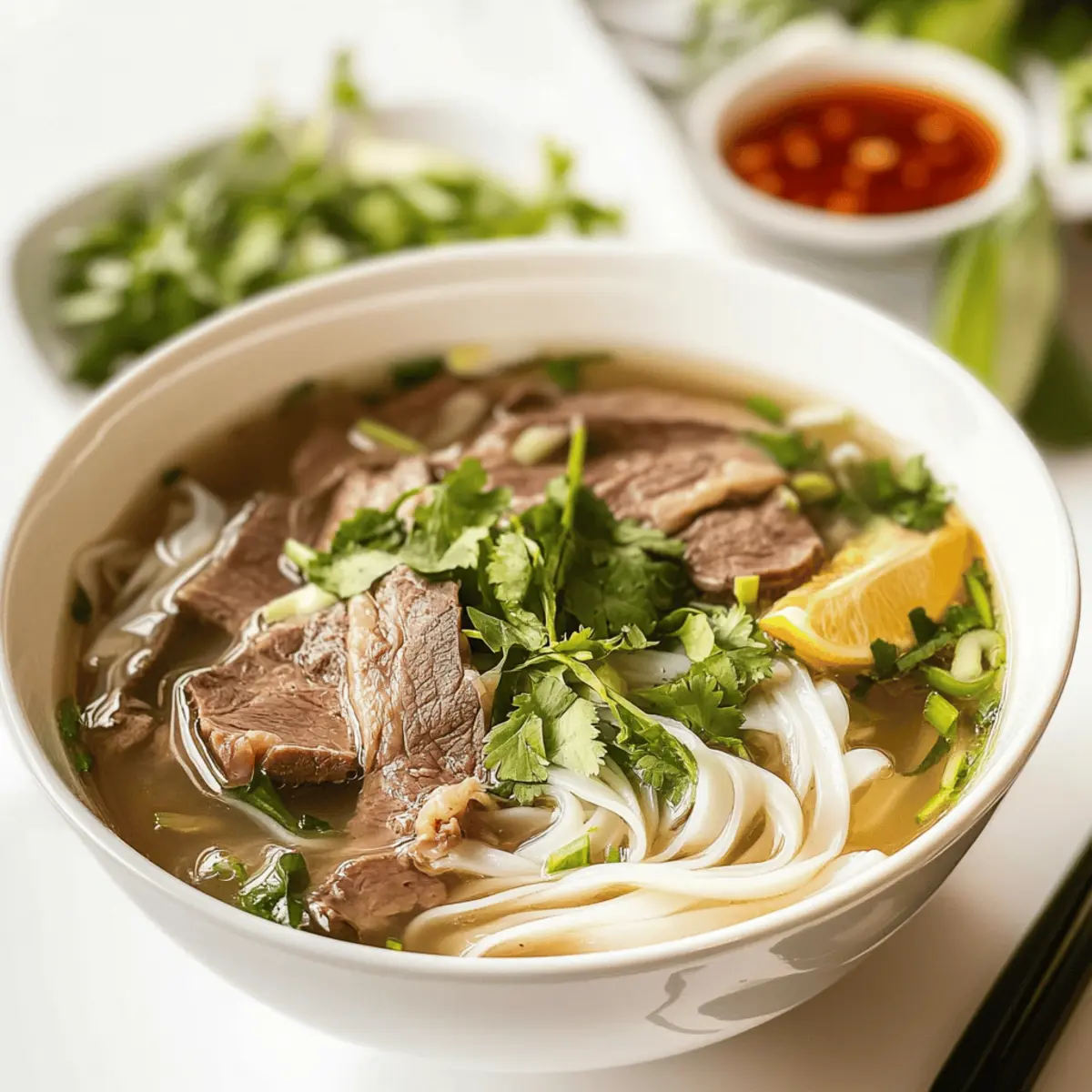
Classic Vietnamese phở isn't automatically halal. While beef and chicken are permissible species in Islamic law, the traditional preparation methods often involve non-halal slaughtered meats, pork-based broths, or cross-contamination in commercial restaurant kitchens. If you're observing dietary laws, you need to look closer at what goes into the soup pot before sitting down at a local noodle shop.
The confusion usually stems from the assumption that a beef noodle soup is safe to eat. Let's break down the ingredients, kitchen practices, and simple verification steps to help you navigate Vietnamese menus with absolute confidence.
Anatomy of Pho Broth: Where Halal Status Is Decided
The soul of any bowl of phở is its broth. Simmered for anywhere from six to twelve hours, the liquid extracts deep flavors from marrow-rich bones, charred onions, ginger, and aromatic spices like star anise, cinnamon, and cloves.
- The Bone Base: Traditional beef phở (phở bò) relies heavily on beef knuckle and marrow bones. For these bones to be halal, the animal must undergo proper Islamic slaughter (dhabihah). In standard commercial restaurants, standard-issue wholesale beef bones are almost never halal-certified.
- The Pork Risk: Some regional variations or shared stockpots introduce pork bones or pork fat to add body and sweetness to the broth. Even in shops that primarily sell beef dishes, cross-contact or shared equipment can compromise the broth.
- The Fish Sauce Factor: Authentic phở relies on nước mắm (fermented fish sauce) for its umami backbone. Fish and seafood are inherently permissible across mainstream Islamic schools of thought, meaning fish sauce on its own doesn't make a bowl haram. However, fish sauce seasons a broth; it doesn't verify the source of the meat.
Evaluating Meat Toppings and Cuts
When you order phở, the bowl usually arrives with various cuts of meat added on top or cooked directly in the boiling soup. Each component requires individual scrutiny:
- Tái (Rare Steak): Thinly sliced raw beef placed directly into the bowl and cooked instantly by the boiling broth poured over it. This meat must originate from a verified halal source.
- Chín (Brisket or Flank): Fully cooked beef simmered directly in the main stockpot. If the stockpot contains non-halal bones or non-halal meat, this cut absorbs those juices.
- Bò Viên (Beef Meatballs): Commercial beef meatballs often contain fillers, binders, and non-halal additives or seasonings. Unless the supplier is certified, these are best avoided.
- Phở Gà (Chicken Pho): Chicken-based phở uses a lighter carcass broth and shredded or sliced poached chicken. While chicken is halal in principle, you still need confirmation that the poultry was slaughtered according to Islamic guidelines and that the kitchen doesn't boil pork products in adjacent pots.
How to Safely Order Pho at Restaurants
Navigating a standard Vietnamese restaurant requires direct communication with the staff. Most traditional eateries don't label their menu items as halal unless they cater specifically to Muslim demographics or operate in designated halal districts.
- Ask About the Sourcing: Inquire directly whether the restaurant uses halal-certified beef or chicken. If the server looks confused or unsure, assume it isn't halal.
- Investigate Shared Pots: Ask if the beef broth is cooked in a separate, dedicated stockpot free from pork ingredients or cross-contamination.
- Look for Dedicated Halal Pho Shops: In major urban centers globally, dedicated halal Vietnamese restaurants have emerged, replacing traditional bone bases with certified suppliers and completely pork-free kitchens. You can find general guidance on verifying restaurant sourcing through organizations like the Islamic Food and Nutrition Council of America.
- Opt for Vegetarian Alternatives: When in doubt, a vegetable and mushroom-based phở (phở chay) prepared with clean utensils offers a safe alternative, provided no animal fat or cooking wine is added to the broth.
Common Mistakes to Avoid
Many diners make assumptions that lead to accidental consumption of non-halal ingredients. Keeping these pitfalls in mind will keep your diet secure:
- Assuming Beef Is Automatically Halal: Many consumers think that avoiding pork automatically makes a dish permissible. Without proper Islamic slaughter rites for the animal, beef remains haram.
- Trusting Restaurant Names: A restaurant that serves mostly beef dishes may still use lards, pork broths for other menu items, or non-halal cooking fats.
- Ignoring Condiments and Sauces: While hot sauces and hoisin sauce are generally plant-based, always check ingredient labels for hidden alcohols, animal derivatives, or fermented additives in house-made condiments.
Frequently Asked Questions
Is chicken phở safer than beef phở?
Not automatically. While chicken is a permissible animal, the chicken used in standard commercial restaurants is rarely slaughtered according to Islamic rites. Furthermore, some kitchens use mixed stock bases that incorporate chicken and beef components together.
Does fish sauce make phở haram?
No. Fermented fish sauce (nước mắm) is derived from seafood and salt, which is permissible. However, fish sauce seasons an otherwise unverified broth; it doesn't change the halal status of the meat or bones.
Are commercial beef meatballs in phở halal?
Rarely. Pre-made commercial beef meatballs often contain hidden binders, starches, and flavorings, and they are typically sourced from conventional suppliers unless the restaurant explicitly states otherwise.
How can I find certified halal Vietnamese food?
Look for restaurants displaying active certificates from recognized bodies like SICHMA or local Islamic food authorities, or search for dedicated halal Asian eateries in multicultural neighborhoods.



