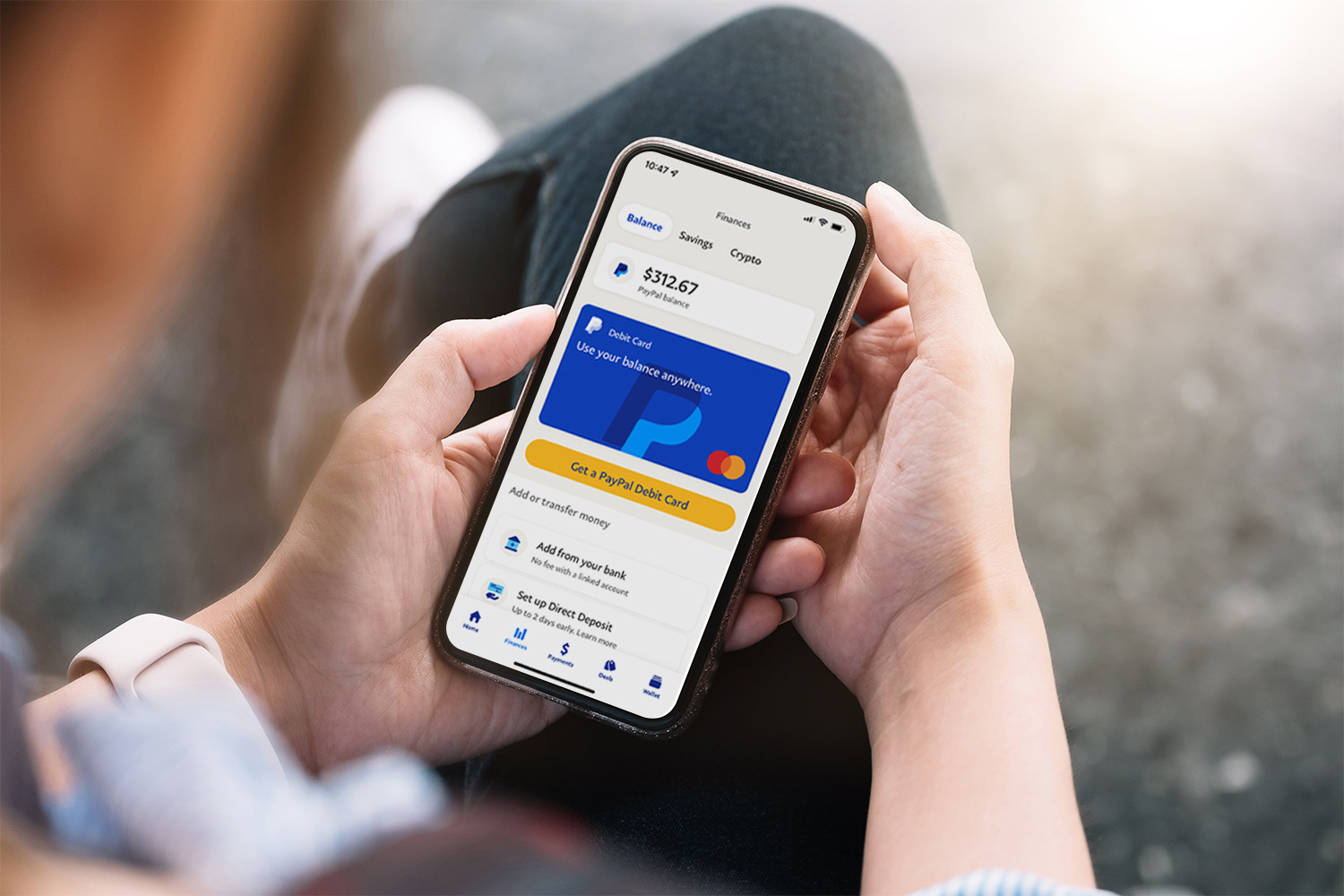
When you buy something online, handing your raw credit card number to a stranger's checkout page feels risky. That is why millions of people route their money through digital wallets. But is PayPal actually safe, or does it just create a false sense of security?
The short answer is yes, PayPal is secure from a technical standpoint. It uses robust encryption and never shares your banking details with merchants. Yet, safety depends heavily on how you use it. Fall for a clever phishing email or misuse a payment setting, and your money can vanish with zero recourse.
Core Security Infrastructure
PayPal stays secure by acting as a financial buffer between you and the vendor. When you pay an online store, the merchant gets your money, but they never see your credit card number or bank account. They only see your registered name and email address. This setup shrinks your attack surface drastically. If a small e-commerce site suffers a data breach, your raw card details aren't sitting in their database.
Behind the scenes, transactions pass through automated fraud detection systems. These systems analyze device locations, purchase histories, and transaction amounts in milliseconds to flag suspicious activity. Data transfers rely on Transport Layer Security (TLS), keeping information encrypted while it moves across networks.
Account access also benefits from modernization. You can secure your account using passkeys or two-factor authentication (2FA), which stops most automated credential-stuffing attacks dead in their tracks. For official details on account safeguards, check the PayPal Security Guide.
Where PayPal Protection Falls Short
Many users assume PayPal functions like an insurance policy for every cent they send. That assumption leads to costly mistakes. Protection programs come with strict rules.
The Friends and Family Loophole
The single biggest trap on the platform involves the "Friends and Family" transfer option. Designed strictly for sending cash to people you know personally, this feature waives transaction fees. It also completely waives Purchase Protection.
If a scammer convinces you to buy an item online and insists you pay via Friends and Family, you have zero buyer protection. If the item never arrives, you cannot file a dispute to get your cash back. PayPal views those transactions as cash gifts handed directly to another person.
Excluded Categories
Even when using Goods and Services protection, certain items fall outside coverage limits. Real estate purchases, motor vehicles, industrial machinery, and custom-made items often lack standard dispute eligibility. Always read the fine print of the PayPal Buyer Protection Policy before making large purchases.
Common PayPal Scams to Watch Out For
Scammers rarely hack PayPal's main servers. Instead, they target human error through social engineering.
- Phishing Emails: You receive an urgent message claiming your account is limited unless you click a link and log in. The link leads to a cloned site designed to steal your credentials.
- Overpayment Scams: If you sell an item, a fraudster might send a fake email mimicking PayPal, claiming you received more money than requested and asking you to refund the difference via gift cards or crypto. In reality, no payment ever hit your account.
- Invoice Fraud: Scammers send official-looking PayPal invoices for products you never bought, complete with a customer service phone number. Calling that number connects you to a fraudster trying to extract remote access to your computer or bank details.
How to Harden Your PayPal Account
Securing your digital wallet takes less than ten minutes. Implement these steps right away:
- Turn on two-factor authentication: Use an authenticator app rather than SMS text messages, which are vulnerable to SIM-swapping attacks.
- Link a credit card, not a debit card: Credit cards offer independent statutory fraud protections (like Section 75 in the UK or the Fair Credit Billing Act in the US) that give you a secondary layer of dispute power.
- Never click notification links: If an email warns you about an account issue, ignore the link. Open a fresh browser window, type the URL manually, and check your resolution center directly.
- Audit connected apps: Periodically check your account settings to remove old merchant permissions and third-party apps you no longer use.
Frequently Asked Questions
Can someone hack my bank account through PayPal?
No. Because PayPal acts as a shield, merchants and external users never see your bank routing or account numbers. An attacker would need direct access to your login credentials or email address to initiate unauthorized transfers.
What should I do if I sent money to a scammer?
If you used the Goods and Services option, open a dispute in your Resolution Center immediately. If you used Friends and Family, your options are severely limited, but you should still report the transaction to PayPal and contact your credit card issuer to see if a chargeback is possible.
Does PayPal cover shipping address changes?
No. Sellers must ship items strictly to the address listed on the official transaction details page. If a buyer messages you asking to redirect a package to a different address after paying, cancel the order. Shipping elsewhere instantly invalidates Seller Protection.
Are digital currency transactions safe on PayPal?
Buying crypto through PayPal is subject to platform terms, but cryptocurrencies are inherently volatile and lack the chargeback protections associated with standard retail purchases. Keep holdings modest and understand the market risks.



