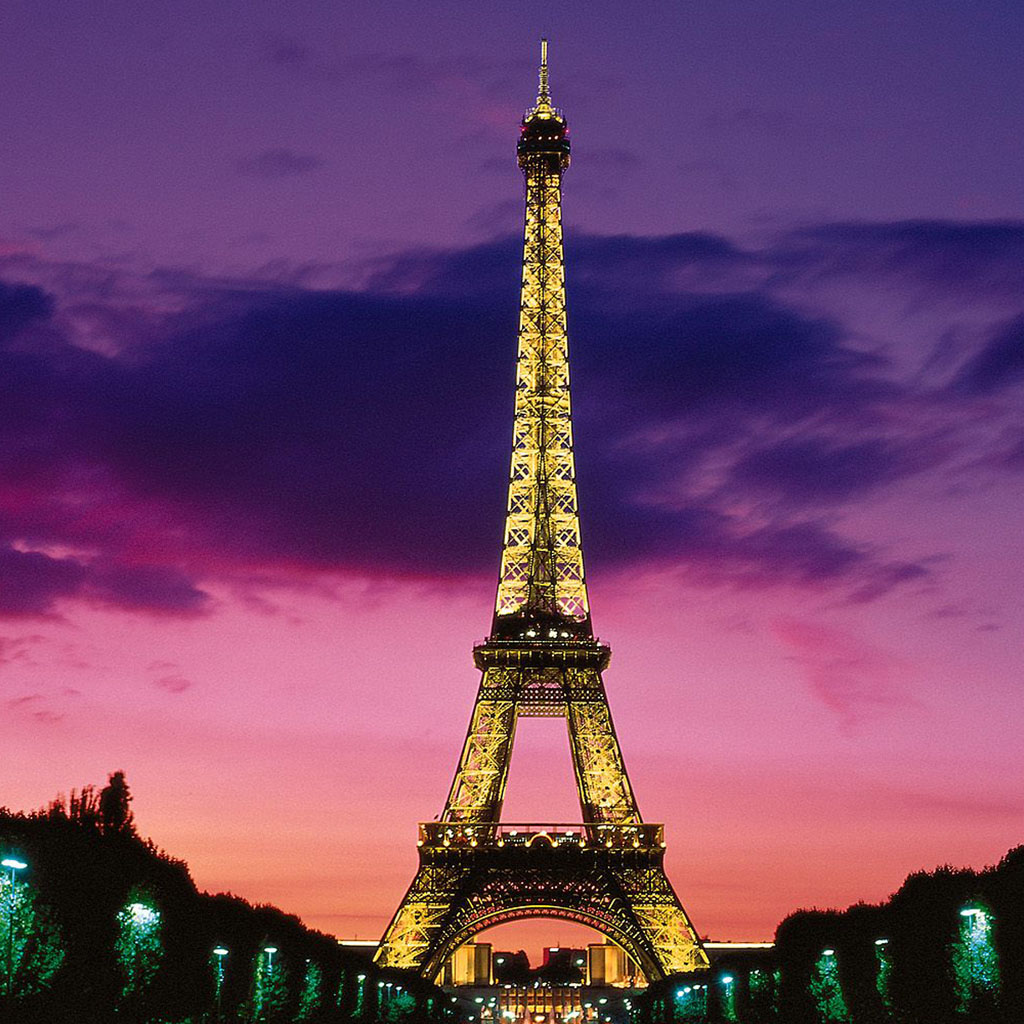
Is Paris a country? No, Paris is not a country. It is the capital and largest city of France, a sovereign nation located in Western Europe. Confusion often arises because major global cities hold immense cultural weight, leading people to mistake urban economic hubs for independent states.
France is the country, and Paris serves as its political, cultural, and administrative heart. Situated along the Seine River in the north-central part of the nation, the city operates under the national governance of the French Republic while functioning locally as the center of the Île-de-France region.
Geographical and Political Reality of Paris
To understand how Paris fits into global geography, we need to look at administrative boundaries. France is divided into administrative regions, departments, and communes. Paris is both a commune and a department, officially designated as department 75.
National government decisions made in French institutions—such as the Élysée Palace or the National Assembly—apply directly to Paris, just as they apply to rural villages in Provence or coastal towns in Normandy. The city doesn't issue its own passports, hold a separate seat at the United Nations, or maintain an independent military. Those sovereign functions belong entirely to the French state, whose official information can be checked via the French Public Service Portal.
The Scale of the City Proper vs. Metropolitan Paris
When people talk about Paris, they often blur the lines between different geographic scales. This ambiguity contributes to the misconception that it might be a city-state like Monaco or Singapore.
- Paris Proper: The inner municipality spans just 105 square kilometers and is divided into twenty distinct municipal districts called arrondissements. It houses roughly two million residents.
- Metropolitan Area: Greater Paris (Métropole du Grand Paris) extends far beyond the historic stone walls, encompassing surrounding suburbs and housing over ten million people.
Neither of these definitions makes Paris a country. They simply reflect urban sprawl and regional administration within the borders of France.
Why Do People Get Confused?
Misunderstandings about global capitals stem from several common linguistic and cultural patterns. Global media frequently treats major cultural centers as independent entities. News reports focus heavily on "Paris fashion week," "Parisian markets," or "diplomatic talks in Paris," overshadowing the broader national context.
Furthermore, small European countries like Vatican City, San Marino, and Monaco function as city-states. Because these tiny sovereign territories share characteristics with prominent cities, casual learners sometimes assume that any world-famous European city with global influence might also be an independent nation.
Historical prominence also plays a role. For centuries, French monarchs governed the entire nation outward from Paris, cementing its identity as a dominant power center. Even today, the centralization of French culture means that Paris often feels like a world unto itself. You can explore official historical context regarding French administration through The French Ministry of Culture.
Structure of the French State
To completely clear up any lingering confusion, it helps to review how France organizes its territory. France is a unitary semi-presidential republic divided into:
- Regions: 18 total regions (13 in metropolitan France and 5 overseas regions). Paris sits inside the Île-de-France region.
- Departments: 101 departments subdivide those regions.
- Communes: Over 34,000 communes represent the smallest local administrative units in the country.
Paris occupies a unique dual role as both a commune and a department, but it remains legally subordinate to national laws passed by the French parliament.
Frequently Asked Questions
Is Paris a country or a city?
Paris is a city, specifically the capital city of France. It is not a sovereign nation.
What country is Paris in?
Paris is located in France, which is a country in Western Europe.
Does Paris have its own government?
Paris has a municipal government led by a mayor and a council that manage local issues like garbage collection, local transit, and street maintenance. However, national laws, taxation frameworks, and foreign policy are controlled entirely by the central government of France.
Are there other places named Paris?
Yes. Several towns and cities in other countries share the name, most notably Paris, Arkansas, and Paris, Texas, in the United States. None of these share any administrative connection to the French capital.
Is Paris larger than France?
No. Paris proper covers just 105 square kilometers, while the entire country of France covers over 550,000 square kilometers. Paris is merely a tiny fraction of the nation's total landmass.



