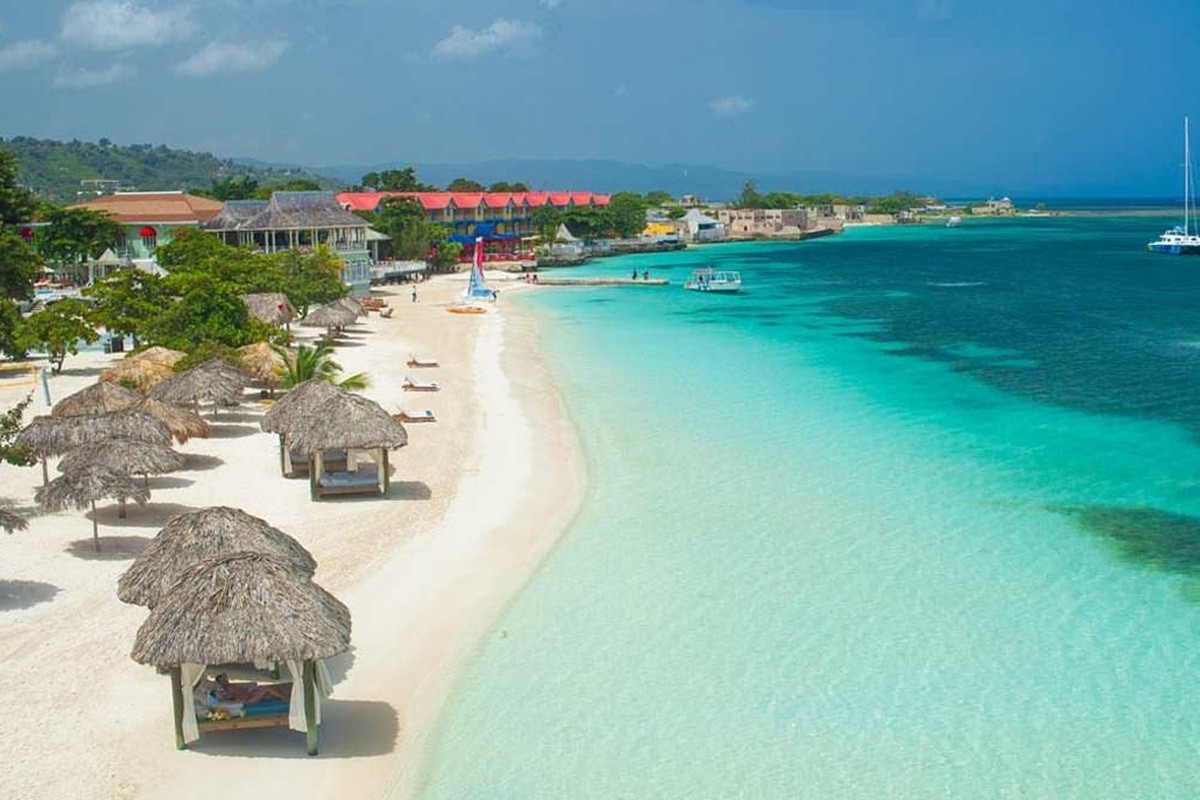
No, Jamaica is not part of the United States. It's a completely independent sovereign island nation located in the Caribbean Sea. Despite this clear reality, confusion persists because of Jamaica's close geographic proximity to the US, heavy cultural exchanges, and common travel patterns between the two regions.
If you're wondering why people mix up a Caribbean country with an American state or territory, you aren't the only one. Let's clear up the origins of this confusion, look at how Jamaica governs itself, and highlight what travelers actually need to know before booking a trip.
Where the Confusion Begins
Geographically, the Caribbean sits in the Americas. Because the United States is the dominant superpower in North America, many casual observers lump all nearby tropical islands into the American sphere.
Another major source of confusion stems from actual US territories in the Caribbean. Islands like Puerto Rico and the U.S. Virgin Islands belong directly to the United States. Because Americans can visit Puerto Rico without a passport, travelers often assume neighboring islands like Jamaica share that same political status. They don't. Jamaica sits roughly 90 miles south of Cuba and hundreds of miles away from Miami, operating under entirely separate laws, borders, and governments.
Political Status and Independence History
Jamaica isn't a US state, nor has it ever been a US territory. For centuries, the island was a colony of the British Empire after being seized from Spain in the 17th century.
On August 6, 1962, Jamaica officially gained independence from the United Kingdom. It chose to become a self-governing parliamentary democracy and a realm within the Commonwealth. While it retains King Charles III as a symbolic head of state, the British government has no political or legal authority over Jamaican policies. The country elects its own prime minister, writes its own laws, and maintains its own constitution.
Travel Requirements: Passports and Customs
Because Jamaica is a foreign country, traveling there from the United States requires standard international protocols.
- Passports: Every American citizen must possess a valid passport book to enter Jamaica and return to the US. A standard driver's license or birth certificate won't work.
- Customs Declarations: Travelers must fill out immigration and customs forms upon arrival at airports like Sangster International in Montego Bay.
- Currency: Jamaica uses its own distinct currency, the Jamaican Dollar (JMD), though US dollars are widely accepted in major tourist areas.
If Jamaica were a US territory like Guam or Puerto Rico, these international travel restrictions wouldn't apply to US citizens.
Economic and Cultural Ties
Even though Jamaica is politically independent, its economic and cultural ties to the United States run deep. The US remains Jamaica's largest trading partner, importing massive amounts of bauxite, alumina, and agricultural products while exporting manufactured goods and food.
Furthermore, the Jamaican diaspora in the United States is massive. Cities like New York, Miami, and Atlanta host vibrant Jamaican communities that help shape American music, cuisine, and pop culture. Reggae music, dancehall culture, and Jamaican patois influence American urban landscapes, which often blurs the lines in the minds of casual tourists who feel a sense of familiarity when visiting the island.
Frequently Asked Questions
Do Americans need a visa to visit Jamaica?
No, US citizens traveling to Jamaica for tourism or business for fewer than 90 days don't need a visa. You just need a valid passport and a return airline ticket.
Is Jamaica part of North America?
Geographers generally group Caribbean islands into the broader continent of North America, but politically and culturally, Jamaica is distinctly Caribbean rather than North American in the traditional US or Canadian sense.
Can you use US dollars in Jamaica?
Yes, US dollars are accepted by most hotels, tour operators, and restaurants in resort areas. However, you'll often receive your change back in Jamaican dollars, and local street vendors or smaller shops may prefer local currency.
Are there any parts of the US named Jamaica?
Yes. If you hear someone talking about "Jamaica" in a domestic US context, they are usually referring to Jamaica, a historic neighborhood located in the borough of Queens, New York City.



