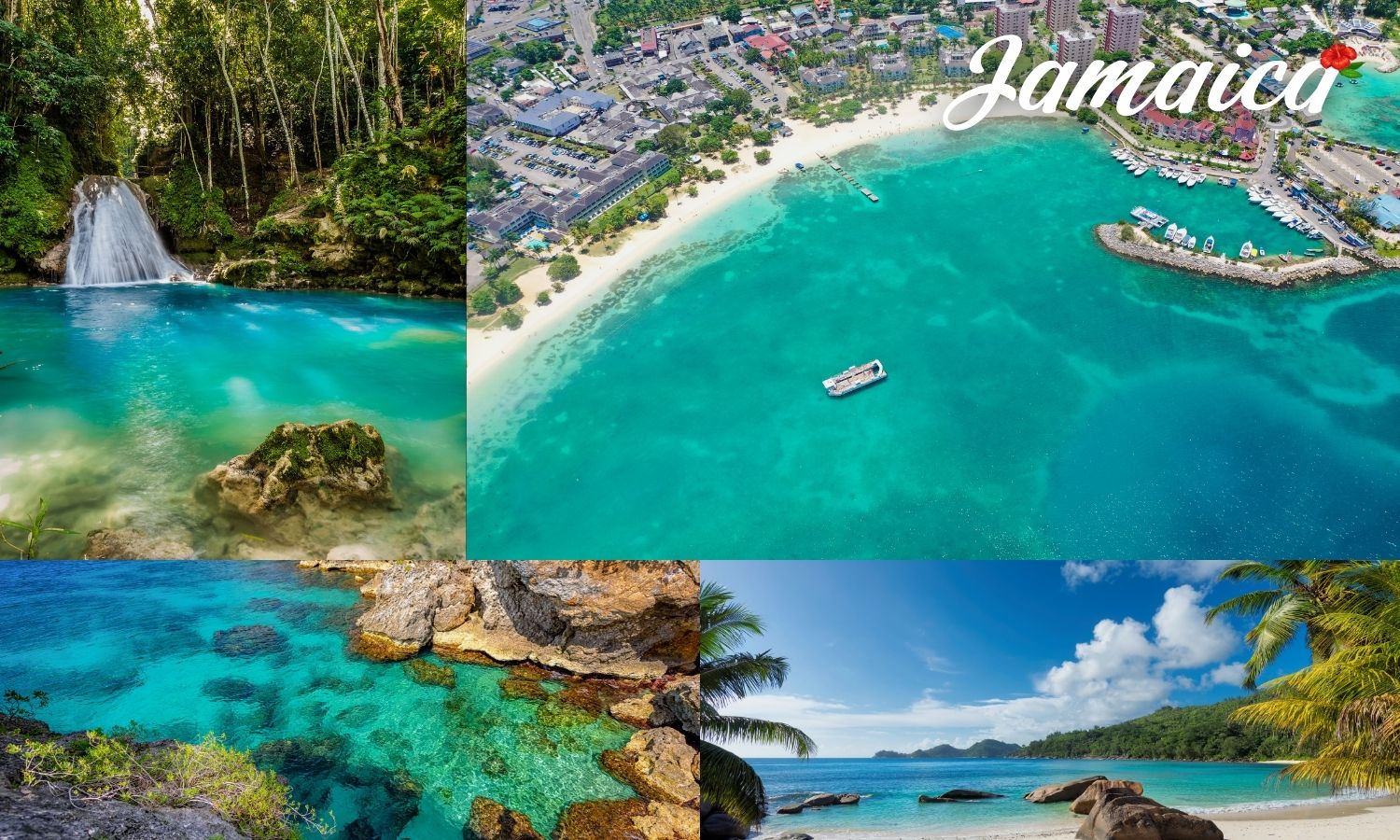
Is Jamaica in the United States? No, Jamaica is an independent sovereign nation located in the Caribbean Sea, completely separate from the United States. It isn't a US state, territory, or commonwealth. People sometimes confuse its political status due to close economic ties, heavy migration patterns, and geographic proximity to North America, but Jamaica has operated as its own self-governing country since gaining independence from the United Kingdom in 1962.
Understanding why this question surfaces requires looking at geography, colonial history, and cultural footprint. While US citizens don't need a green card to visit Jamaica—only a valid passport—they're entering a foreign country with its own laws, parliament, and currency. Let's clear up the confusion surrounding geography, political structures, and cultural identity once and for all.
Geographic Reality: Where Jamaica Actually Sits
Jamaica sits in the northern Caribbean Sea, positioned roughly 90 miles south of Cuba and 100 miles west of Haiti. As the third-largest island in the Greater Antilles, it occupies a distinct maritime space far outside US territorial waters.
Geographers categorize the island as part of the North American continent's broader region, but that's a continental classification rather than a political one. Just as Canada and Mexico share the North American continent with the United States without being part of it, Jamaica shares the region while maintaining absolute sovereignty.
Common Geographic Confusions
- US Territories in the Caribbean: The United States does possess territories in the region—specifically Puerto Rico and the US Virgin Islands. Because these places fly the American flag and use the US dollar, casual observers sometimes lump other Caribbean islands like Jamaica into the same political category.
- Proximity to Florida: From Miami, a flight to Kingston takes less than two hours. This short travel time often blurs lines in travelers' minds, making the island feel domestic even though it's internationally foreign.
- Homonyms in the US: Adding to the confusion, places named Jamaica exist within the United States. Jamaica, Queens, is a well-known neighborhood in New York City, and tiny towns named Jamaica sit in states like Iowa and Vermont. These domestic place names frequently trigger search queries that conflate the sovereign island nation with American towns.
Political Status: Sovereignty and Government
Jamaica operates as an independent constitutional monarchy and a parliamentary democracy. Following centuries of Spanish and British colonial rule, the island achieved full independence on August 6, 1962.
Instead of answering to Washington, D.C., the country runs on its own legislative framework established by the Parliament of Jamaica.
- Head of State: The British monarch serves as a symbolic head of state, represented locally by a Governor-General. However, this is a ceremonial vestige of the British Commonwealth and grants the UK government zero political or legal authority over Jamaican domestic or foreign policy.
- Head of Government: Executive power rests squarely with the Prime Minister of Jamaica and the cabinet, who are chosen through democratic elections.
- Legal and Monetary Systems: Jamaica maintains its own court system, laws, and currency (the Jamaican Dollar), completely independent of the US federal or state legal frameworks.
Cultural Identity and Global Influence
Culture often transcends hard political borders. Jamaica punches far above its weight globally, making its identity feel ubiquitous in American households. This cultural saturation is another reason people mix up its political status.
Reggae music, born in Kingston through icons like Bob Marley, permeates American culture. Jamaican cuisine—featuring jerk spices, curry goat, and patties—thrives in major US cities like New York, Miami, and Atlanta. Furthermore, the Jamaican diaspora in the United States numbers in the millions, creating deep familial and cultural bridges between the two nations.
Yet, this strong cultural exchange doesn't equate to political annexation. Being a cultural powerhouse doesn't mean sharing a government. Jamaicans possess a fiercely proud, distinct national identity rooted in their own history of resistance, emancipation, and self-determination.
Practical Realities for Travelers and Businesses
Treating Jamaica like a domestic US destination causes immediate problems for travelers and commercial operators. Because it's a foreign country, specific rules apply:
- Travel Documents: US citizens must present a valid passport to enter and depart Jamaica. Enhanced driver's licenses won't work because you're crossing an international border.
- Customs and Immigration: Travelers pass through Jamaican immigration control upon arrival, where customs officials inspect goods and enforce local agricultural and import laws.
- Currency and Commerce: US dollars are widely accepted in tourist zones, but transactions occur under foreign exchange rates, and local businesses operate under Jamaican tax and corporate laws. You can learn more about international trade and consular services via the U.S. Department of State.
Frequently Asked Questions
Do I need a visa to visit Jamaica from the US?
US citizens traveling to Jamaica for tourism or business for fewer than 90 days don't need a visa. You must carry a valid US passport, a return airline ticket, and proof of sufficient funds for your stay.
Is the US dollar used as official currency in Jamaica?
No. The official currency is the Jamaican dollar (JMD). While US dollars are accepted by many hotels, tour operators, and merchants in resort areas, you'll receive change in local currency, and smaller local vendors prefer JMD.
Was Jamaica ever a US territory?
No. Spain claimed Jamaica in 1494, and Great Britain seized it in 1655. It remained a British colony until it gained independence in 1962. The United States has never owned or governed Jamaica.
Why do some Americans think Jamaica is part of the US?
The confusion usually stems from geographic proximity to Florida, heavy cultural exchange, widespread media influence, and the existence of American neighborhoods and towns named Jamaica, such as Jamaica, Queens.



