Is Git SCM open source? Yes, Git is a completely free and open source distributed version control system. Created by Linus Torvalds in 2005 for Linux kernel development, it operates under the GNU General Public License version 2 (GPLv2). Anyone can view, modify, distribute, and build upon its source code without paying licensing fees.
People often ask this question because software ecosystems frequently blur the lines between free core tools and proprietary wrappers, hosted platforms, or companion applications. While companies like GitHub, GitLab, and Bitbucket provide commercial or hosted services built around Git, the underlying version control engine itself remains thoroughly open source. Understanding how this licensing structure works helps development teams evaluate security, compliance, and tool longevity.
The Core License: GNU GPLv2
The heart of Git is governed by the GNU General Public License version 2. This specific license grants users four essential freedoms: the freedom to run the software for any purpose, the freedom to study how it works and change it, the freedom to redistribute copies, and the freedom to distribute modified versions to others.
If you look at the official source repository hosted by the Git Project, you'll see that contributions flow freely from developers worldwide. The GPLv2 also carries a copyleft provision. This means if someone modifies Git's core source code and distributes that modified version, they must make their changes available under the same GPLv2 terms. It prevents proprietary entities from taking the free core engine, locking it down behind closed doors, and selling it as a restricted commercial product.
Separating Git SCM from Hosting Platforms
Confusion regarding Git's licensing usually stems from mixing up the command-line tool with web hosting platforms. Let's clear up how they differ:
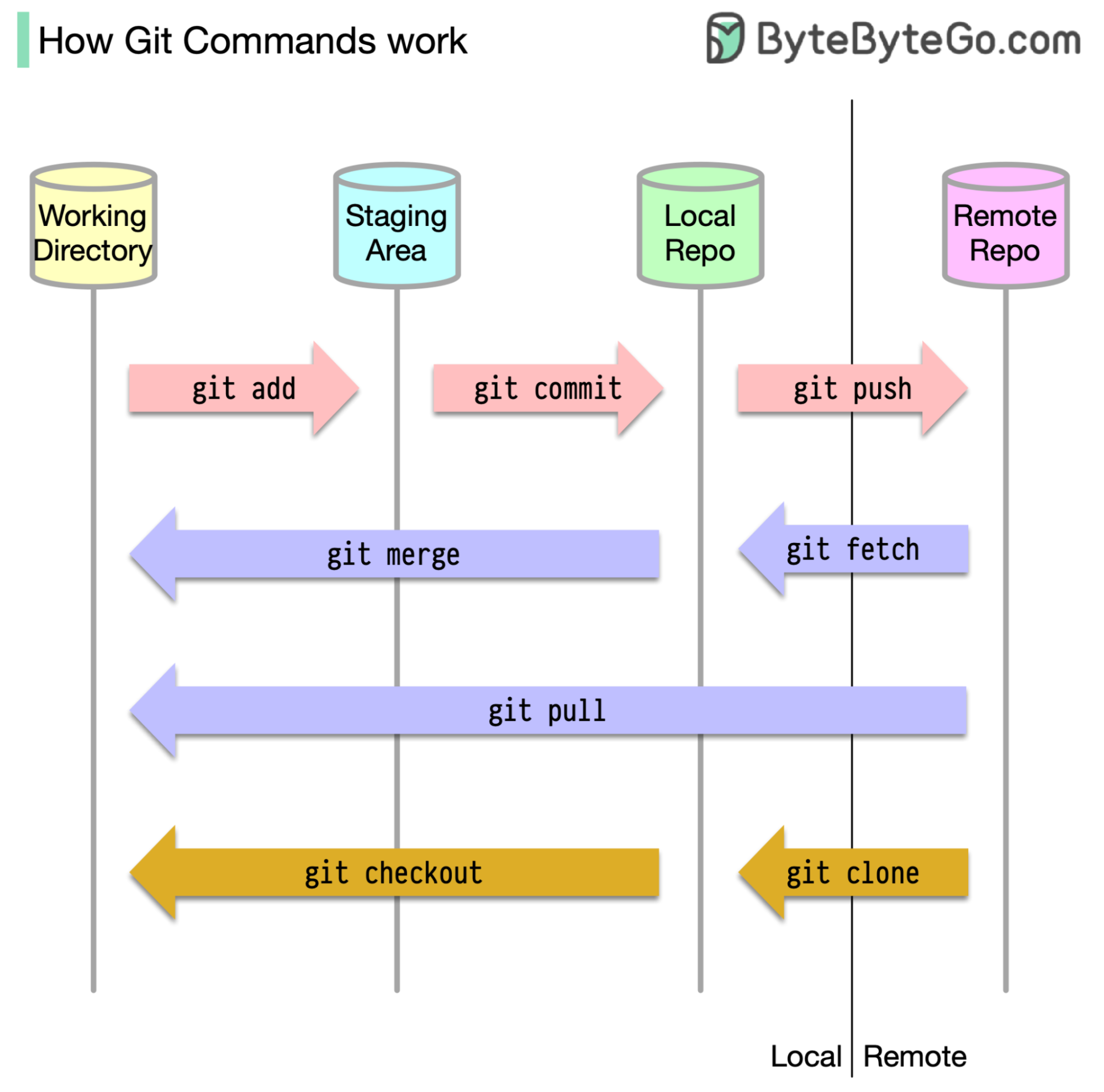
- Git SCM: The actual command-line engine installed locally on your machine that manages commits, branches, and merges. It's free and open source.
- GitHub: A cloud-based hosting service owned by Microsoft that hosts Git repositories. While it uses Git under the hood, GitHub's web interface, proprietary backend features, and enterprise offerings are not fully open source.
- GitLab: Offers both an open-source community edition (GitLab CE) and proprietary enterprise editions (GitLab EE).
- Bitbucket: A proprietary code hosting platform maintained by Atlassian.
You don't need a subscription to GitHub or any third-party host to use Git. You can set up local repositories or run your own open-source server instances using tools like Gitolite or Gitea.
Licensing Details Beyond the Core Engine
While the core source code of Git relies on the GPLv2, the broader ecosystem around it utilizes complementary licenses. For example, the official documentation site content, including the Pro Git book, uses specific licenses like Creative Commons to govern text and guides while keeping technical code examples free.
- Core command-line binaries and source code: GNU GPLv2.
- Official website documentation and layout: MIT License and Creative Commons.
- GUI clients (like GitKraken or Sourcetree): Often proprietary or source-available under commercial terms, even though they interface with open-source Git.
Common Mistakes to Avoid
Developers and legal teams often run into traps when evaluating version control tools. Keep these pitfalls in mind:
- Assuming GitHub owns Git: Linus Torvalds built Git independently of any hosting provider. It's a standalone utility.
- Confusing "free to use" with "open source": While Git is both, public cloud dashboards are often free to use tier-wise without giving you access to modify their proprietary cloud infrastructure code.
- Overlooking corporate compliance: If your enterprise embeds modified versions of GPLv2 software into distributed commercial appliances, legal review is necessary to ensure compliance with source disclosure rules.
Frequently Asked Questions
Is Git SCM free for commercial use?
Yes. You can use Git inside any commercial organization, startup, or enterprise without paying royalties or licensing fees. The GPLv2 permits internal commercial deployment freely.
Who owns Git?
No single corporation owns Git. It's a decentralized open-source project maintained by a community of global contributors, with Junio Hamano serving as the longtime core maintainer.
Can I modify the source code of Git?
Yes. Because it's open source, you can clone the repository, alter the C source code, compile it, and run your custom version. If you distribute your modified version, you must comply with GPLv2 terms by sharing your source code modifications.
Does Git require an internet connection?
No. Git is a distributed version control system, meaning your entire history lives locally on your machine. You only need network access when pushing or pulling code to remote servers.



