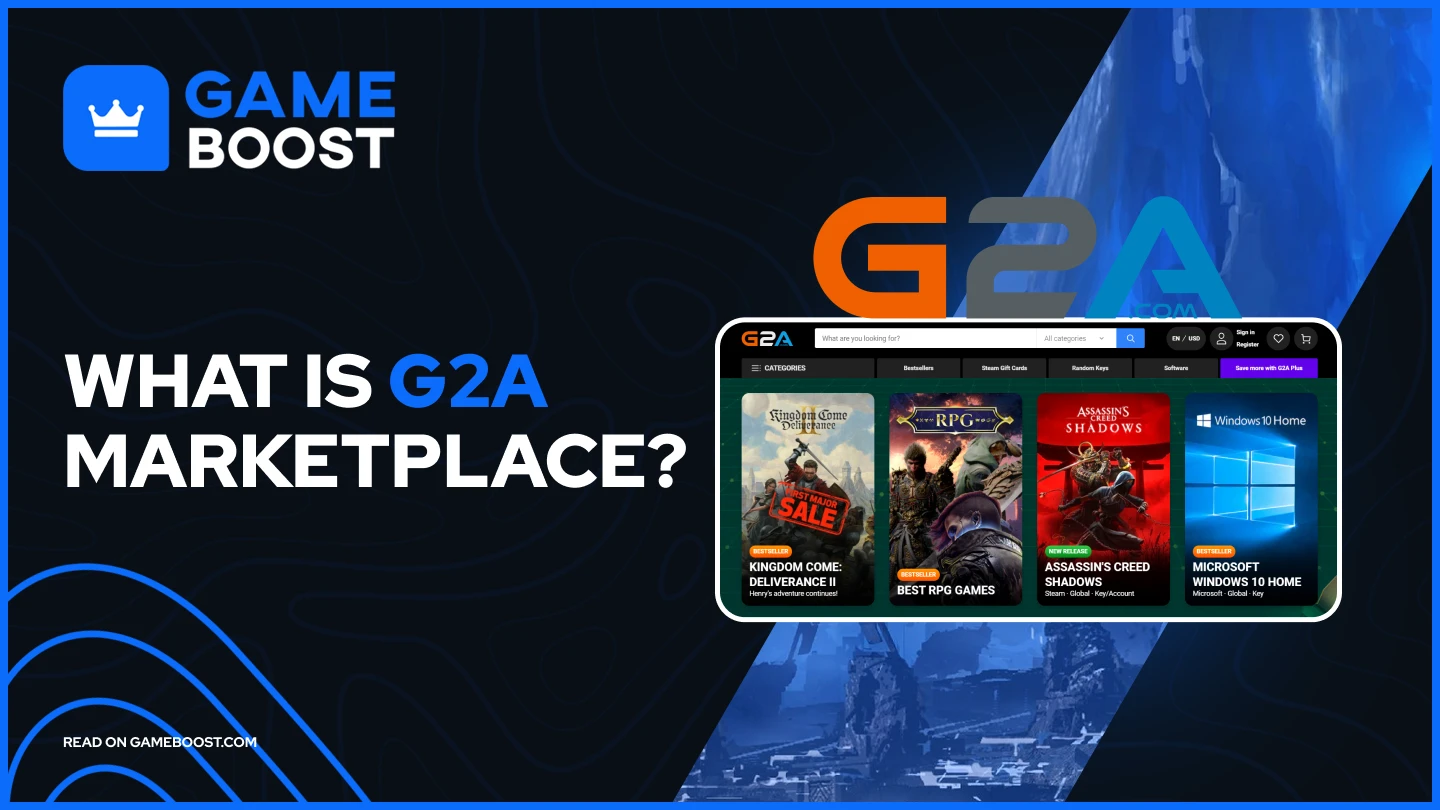
Is G2A safe to use for buying discounted video games, or will you end up with a revoked activation code and a drained bank account? G2A operates as a massive digital storefront where third-party vendors list activation codes for Steam, Xbox, PlayStation, and other platforms at steep discounts. While the platform itself is a legitimate registered business that handles millions of transactions, it functions as a digital grey market. That distinction changes everything about how secure your purchase actually is.
When you buy from this marketplace, you aren't purchasing directly from an official publisher like Valve or Electronic Arts. Instead, you're buying from independent resellers whose sourcing methods vary wildly. Some merchants acquire keys legally through bulk regional price differences, while others source them through riskier channels. Understanding how the system works helps you separate safe transactions from costly mistakes.
How the G2A Marketplace Operates
G2A does not sell video games directly; it provides the digital infrastructure connecting buyers with third-party merchants. Think of it like a digital flea market where thousands of independent vendors rent display space. Because anyone can theoretically register as a seller, the platform enforces merchant verification protocols, including business document checks and AI-driven fraud monitoring, to block anonymous scammers.
Even with these safeguards in place, the core business model relies on grey-market distribution. A key might be purchased legitimately in a region with lower local pricing and resold to a buyer in North America or Western Europe. While this practice is legal in many jurisdictions, game publishers often dislike it because it bypasses authorized distribution channels and regional revenue models.
The Real Risks of Buying Digital Keys
Before entering your payment details, you need to weigh the specific hazards associated with third-party key marketplaces.
- Key Revocation: If a publisher discovers a key was bought using stolen credit cards or acquired fraudulently, they can deactivate the code. If this happens weeks after your purchase, the game disappears from your library, and getting your money back from an independent seller can prove difficult.
- Hidden Checkout Fees: The initial headline price listed on search engines rarely matches what you pay at checkout. Payment processing fees, value-added taxes, and optional subscription add-ons often inflate the final total.
- Regional Restrictions: Buying a cheap key without checking the fine print can leave you with an activation code locked to a different geographic region, rendering it useless on your local account unless you use workaround tools that violate platform terms of service.
Best Practices for a Secure Transaction
If you choose to use the platform to save money on your digital library, following strict safety habits minimizes your exposure to fraud.
- Evaluate Seller Metrics Closely: Never buy from a vendor with a low positive rating percentage or zero history. Stick to established merchants with thousands of completed transactions and a 95% or higher positive feedback score.
- Use Protected Payment Options: Avoid entering raw debit card numbers. Choose secure third-party payment gateways like PayPal, Apple Pay, or virtual credit cards that add an extra layer of consumer protection and keep your banking details private.
- Activate Your Code Immediately: Don't let a purchased key sit in your digital dashboard for months. Redeem the code on your gaming client right away so you can report an invalid key while transaction disputes are still open.
- Ignore Unrealistic Discounts: If a brand-new AAA release is selling for 80% off on launch day, treat it as a massive red flag. Legitimate keys rarely drop that low so quickly.
Frequently Asked Questions
Is buying from G2A illegal?
No. Purchasing a grey-market key is generally legal for consumers. However, it violates the terms of service of many digital storefronts, and publishers do not officially support or endorse these secondary transactions.
What happens if a game key doesn't work?
You must open a dispute through the platform's resolution center or contact the specific seller directly. Resolution depends entirely on the merchant's willingness to cooperate and whether you purchased optional buyer protection add-ons.
Why are prices on G2A so much cheaper than Steam?
Resellers often source keys in bulk during regional sales, from promotional bundles, or via wholesale distribution in lower-income economic regions, allowing them to undercut official retail prices.
Does G2A sell stolen keys?
While the platform implements anti-fraud screening, bad actors occasionally slip past automated filters. If a key was originally bought with stolen payment card data, publishers may revoke it when the fraud is flagged. You can read more about digital fraud trends through consumer protection resources like the Global Anti-Scam Alliance.



