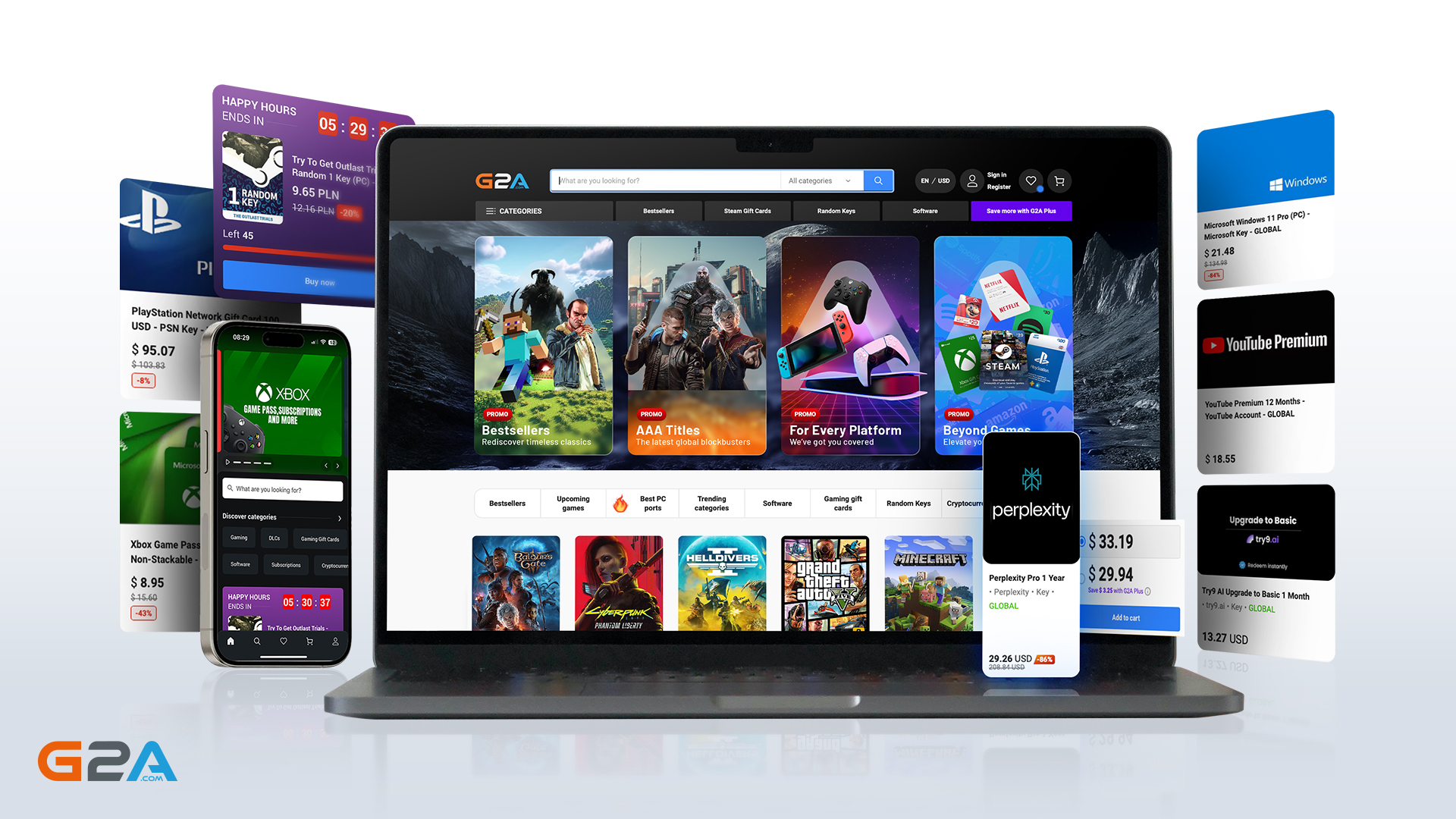
Is G2A legit? Yes, G2A is a real company and a functioning digital marketplace that delivers working video game keys to millions of buyers. However, being a legal enterprise doesn't mean it operates like Steam or GOG. G2A functions as a peer-to-peer gray market where third-party vendors list keys, creating unique financial risks for developers and practical hazards for everyday players.
Understanding how the platform operates requires looking past corporate disclaimers and examining the underlying mechanics of key reselling. While bargain hunters save money on major AAA releases, they accept hidden costs, including the risk of revoked licenses and unverified seller histories.
How the G2A Marketplace Operates
G2A doesn't purchase video game keys directly from publishers to stock inventory. Instead, the site acts as an intermediary connecting independent vendors with retail buyers. Anyone can register as a merchant, list unused product activation codes, and set competitive prices.
This marketplace model explains why prices drop so low. Vendors acquire keys through various channels: Further information into this topic are covered by Associated Press.
- Regional price arbitrage, buying games in lower-income economic zones where publishers price titles cheaper.
- Wholesale bundle purchases, snapping up bulk keys from promotional charity packs or hardware partnerships.
- Resale of unwanted gift codes received through hardware promotions or credit card rewards.
Because vendors operate independently, quality control varies wildly. G2A utilizes automated detection algorithms and a optional buyer protection subscription called G2A Plus to handle disputes, but accountability rests primarily on individual sellers rather than the platform itself.
The Developer Controversy and Key Laundering
The friction between G2A and the game development community stems from a specific vulnerability in digital retail: stolen credit cards.
When bad actors purchase digital keys using compromised financial details, they acquire inventory at zero personal cost. They then list these codes on marketplaces like G2A to quickly launder them into clean cash. When the legitimate cardholder notices the fraudulent charge, their bank issues a chargeback.
[Stolen Card] ➔ [Fraudulent Key Purchase] ➔ [G2A Listing Sold] ➔ [Bank Chargeback Hits Developer]
The financial blow lands entirely on the developer. The studio not only loses the revenue from the sale but also incurs chargeback fees from payment processors. Furthermore, when publishers identify fraudulent keys flooding their activation servers, they revoke those licenses. Players logging into their accounts suddenly find games disappearing from their libraries without warning.
Independent developers suffer the most from this cycle. Larger publishers absorb the losses as a cost of doing business, but small indie studios operate on thin margins where a wave of fraudulent chargebacks can destabilize a project.
Consumer Risks: What Happens When a Key Fails?
Buying from a gray market marketplace introduces several practical risks for gamers:
- Revoked Licenses: If a publisher flags a key as originating from a fraudulent acquisition chain, they will deactivate the code. Recovering money from an anonymous third-party vendor proves difficult.
- Region Locks: International keys often carry hidden regional restrictions. A cheap key purchased globally might require a VPN to activate, violating storefront terms of service and risking account termination.
- Hidden Fees: Low headline prices often obscure transaction fees, payment processing surcharges, and recurring subscription charges tied to optional buyer protection programs.
How to Protect Yourself If You Use G2A
Shoppers choosing to use secondary marketplaces should implement strict risk management protocols to avoid losing money:
- Check Seller Ratings: Only buy from established vendors boasting high positive feedback percentages and thousands of completed transactions. Avoid brand-new seller profiles offering massive discounts.
- Avoid PayPal Protection Waivers: Use secure payment methods that offer independent dispute resolution rather than direct bank transfers or untraceable gift cards.
- Watch Out for Subscriptions: Pay close attention during checkout to uncheck automatic enrollment in paid monthly protection tiers that charge ongoing fees.
Frequently Asked Questions
Why are G2A keys so much cheaper than Steam?
Third-party vendors source keys through regional pricing differences, wholesale bundle purchases, or liquidation of promotional codes rather than standard wholesale supply chains.
Can buying from G2A get your Steam account banned?
While rare for individual buyers, publishers retain the right to revoke keys identified as fraudulent or acquired via unauthorized regional exploits, which removes the game from your library.
Does G2A offer refunds for broken keys?
G2A provides a dispute resolution center and optional protection programs, but securing a refund depends entirely on whether the third-party vendor cooperates or if the platform verifies the claim under its terms.
Are all keys on G2A stolen?
No. Many keys originate from legitimate regional arbitrage, legal bundle splits, or surplus promotional codes, though distinguishing clean inventory from illicit stock remains difficult for buyers.



