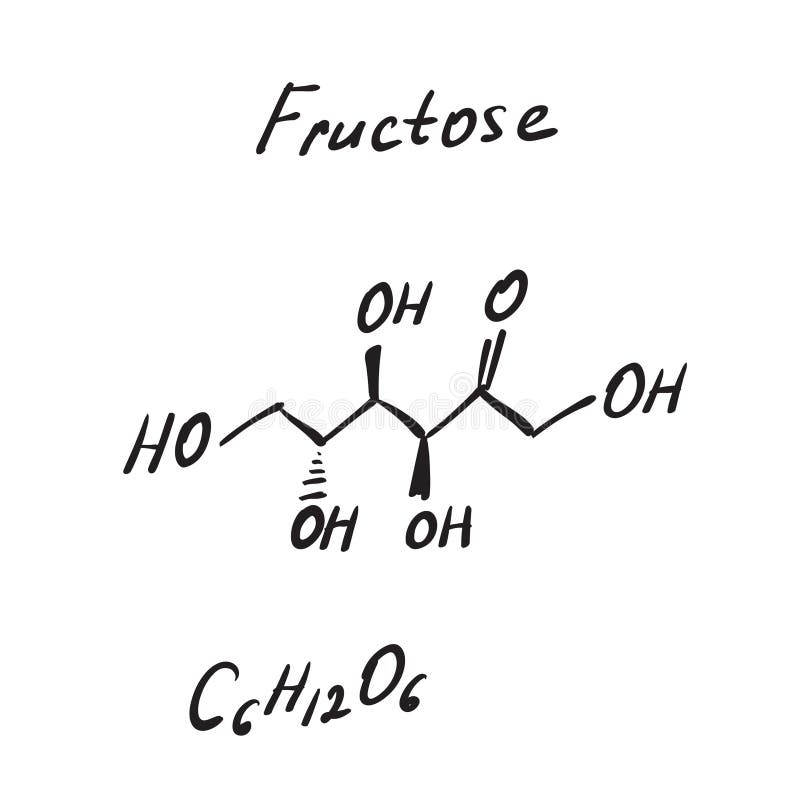
Fructose is a monosaccharide, meaning it's a single-sugar molecule that your body absorbs directly without needing further enzymatic breakdown. Unlike disaccharides like sucrose, which combine two sugar units, simple sugars like fructose operate as isolated building blocks found naturally in honey, tree fruits, berries, and root vegetables.
When you eat table sugar or high-fructose corn syrup, you're consuming a mix that includes this simple sugar. Because it's a monosaccharide, it enters your digestive tract and passes straight through the intestinal lining via specific transport proteins like GLUT5. Understanding its chemical classification helps explain why it behaves so differently in human metabolism compared to glucose.
What Makes Fructose a Monosaccharide?
In carbohydrate chemistry, sugars are classified by the number of monomer units they contain. Monosaccharides are the simplest form of carbohydrates, consisting of just one sugar ring that can't be hydrolyzed into smaller sugars. Fructose shares this classification with glucose and galactose, even though its chemical structure differs.
While glucose is a six-membered pyranose ring, fructose typically forms a five-membered furanose ring when bound in solution or food. Both share the exact same chemical formula: $C_6H_{12}O_6$. However, the spatial arrangement of their atoms creates distinct biochemical properties. Because it doesn't require digestive enzymes like sucrase or lactase to split apart, a monosaccharide absorbs rapidly into the bloodstream from the small intestine.
- Single-Unit Structure: Consists of one isolated sugar molecule.
- Chemical Formula: $C_6H_{12}O_6$, identical to glucose and galactose.
- Absorption Pathway: Transported directly across intestinal enterocytes.
Fructose Versus Other Simple Sugars
Comparing monosaccharides clarifies why dietary sugars affect energy levels differently. Glucose is the primary fuel circulating in human blood, driving cellular respiration across almost every tissue. Galactose, another simple sugar, usually binds with glucose to form lactose, the sugar found in dairy.
Fructose stands apart due to how the liver processes it. While body cells take up glucose directly under the influence of insulin, most dietary fructose travels straight to the liver through the portal vein. Hepatocytes possess specific enzymes, such as fructokinase, that phosphorylate fructose rapidly, bypassing the primary regulatory checkpoints that control glucose metabolism.
"The structural uniqueness of dietary monosaccharides dictates whether they fuel peripheral tissues immediately or require hepatic conversion."
Natural Sources Versus Refined Additions
You'll find fructose in two primary contexts within modern diets: intact whole foods and heavily processed sweetening agents. Whole fruits bundle the sugar with dense dietary fiber, water, vitamins, and antioxidants. This matrix slows down digestion and blunts the rate at which the sugar reaches the liver.
Conversely, added sweeteners deliver concentrated doses without any buffering matrix. Table sugar, or sucrose, is a disaccharide containing a 50-50 bonded mix of glucose and fructose. High-fructose corn syrup undergoes enzymatic processing to yield similar ratios of free monosaccharides. Consuming these refined forms floods the liver with unbuffered fructose molecules, altering hepatic lipid synthesis and metabolic signaling pathways.
- Whole Fruit Sources: Apples, pears, mangoes, grapes, and watermelon.
- Refined Sweeteners: Agave nectar, table sugar, high-fructose corn syrup, and honey.
- Fiber Buffer: Plant matrices slow absorption and moderate hepatic workload.
Metabolic Processing in the Human Body
Once free fructose reaches the liver, it enters a specialized metabolic pathway. Hexokinase can phosphorylate fructose, but fructokinase handles the bulk of the workload with a much higher affinity. This enzyme doesn't feature the same negative feedback inhibition that regulates glucose breakdown through phosphofructokinase.
Because this pathway bypasses key rate-limiting steps, a sudden influx of dietary fructose leads to rapid ATP depletion in liver cells. The downstream products feed directly into de novo lipogenesis, the biological process of manufacturing new fatty acids. Over time, excessive consumption of free monosaccharides can contribute to hepatic fat accumulation and altered lipid profiles, a topic explored by researchers at the National Institutes of Health.
Common Misconceptions About Simple Sugars
Many people assume all sugars metabolize identically once ingested. They picture a generic energy currency flowing through the veins, fueling workouts or daily tasks. In reality, distinct monosaccharides trigger entirely different physiological cascades.
Another frequent mix-up involves confusing fruit sugar with chemically altered syrups. While the molecule itself remains structurally identical whether it comes from an apple or a soda can, the delivery vehicle changes everything. Drinking liquid sugar delivers a massive bolus to the liver in minutes, whereas eating fibrous produce spreads that workload over hours.
- Myth: All sugars raise blood glucose by the same amount.
- Fact: Fructose has a very low glycemic index because the liver processes it first.
- Myth: Natural fructose is chemically different from manufactured fructose.
- Fact: The isolated molecules are identical; the surrounding food matrix makes the health difference.
Frequently Asked Questions
Does fructose raise blood sugar like glucose?
No, it has a minimal direct impact on blood glucose levels because the liver absorbs and metabolizes it independently of insulin. This is why it was historically recommended for individuals managing blood sugar concerns, though excessive intake creates separate metabolic challenges.
Is high-fructose corn syrup worse than table sugar?
Chemically, they are nearly identical. Both consist of roughly equal parts free glucose and free fructose. Your body processes them in essentially the same way, meaning portion control matters far more than choosing between the two.
Why do some people experience digestive discomfort from fructose?
Some individuals have a condition called fructose malabsorption, where transport proteins in the small intestine struggle to absorb the sugar efficiently. The unabsorbed molecules travel to the large intestine, where gut bacteria ferment them, causing gas, bloating, and discomfort.
Can you eliminate fructose entirely from a healthy diet?
Eliminating it completely is nearly impossible unless you cut out all fruits, vegetables, and natural sweeteners. Most nutrition experts advise focusing on reducing ultra-processed added sugars rather than avoiding whole, nutrient-dense plant foods.



