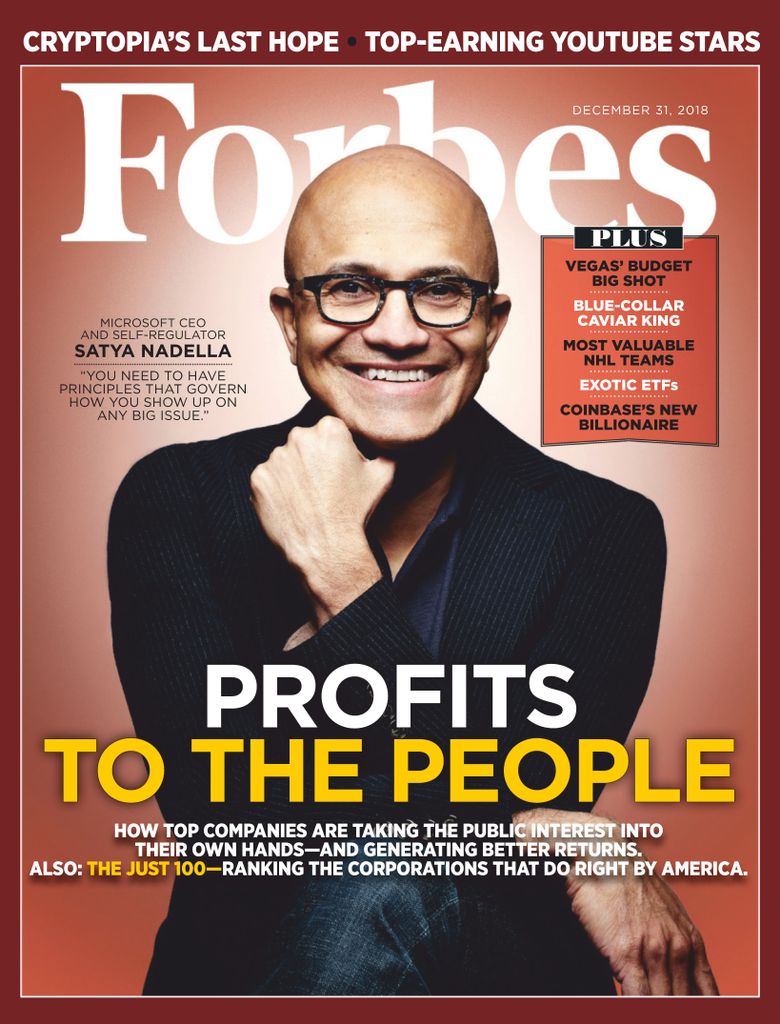
Forbes isn't a newspaper. It operates primarily as a business magazine and a digital media company rather than a daily or weekly newsprint publication. Founded in 1917 by B.C. Forbes, the brand has spent over a century covering finance, investing, entrepreneurship, and corporate leadership. While it reports on current events and breaking financial news online, its historical roots, physical print format, and structural editorial approach firmly place it in the magazine category.
People often confuse major legacy publications with newspapers because they associate large-scale journalism with broadsheet formats. However, media classifications depend on publishing frequency, physical binding, content depth, and distribution models. Understanding how Forbes fits into the broader media ecosystem clarifies why it functions differently from daily publications like The New York Times or The Wall Street Journal.
The Core Definition: Magazine Versus Newspaper
Newspapers and magazines serve distinct roles in the media landscape. Newspapers focus on rapid, daily reporting of breaking local, national, and international news. They use large, unstitched pages meant for quick reading and disposal. Their editorial calendars shift on a daily or hourly basis to keep pace with unfolding events.
Magazines, by contrast, focus on long-form analysis, specialized niches, and curated storytelling. They use bound or stapled spines, thicker paper stock, and a less frequent release schedule. Forbes fits this latter format completely.
- Frequency: Forbes transitioned through various print schedules over the decades, moving from a bi-weekly cadence to publishing fewer physical issues per year while ramping up its digital output.
- Format: Physical copies use a standard magazine binding and glossy cover stock, featuring signature profiles and deep-dive features rather than daily wire briefs.
- Content Focus: Instead of tracking daily weather, local crime, and routine political updates, Forbes zeroes in on wealth creation, market trends, leadership strategies, and global power rankings.
Evolution of Forbes: Print to Digital Powerhouse
To understand what kind of media outlet Forbes represents today, you have to look at its structural shift over the last two decades. The brand transformed from a traditional print title into a massive digital publisher.
At the center of this transformation is Forbes, which grew into one of the most heavily trafficked business websites in the world. The digital platform relies on a mix of staff-written investigative pieces and a vast contributor network. This model allows the site to pump out hundreds of articles a day on technology, lifestyle, small business, and personal finance.
Despite this heavy digital footprint, the underlying product remains magazine-style journalism. The articles emphasize opinion, analysis, expert roundups, and list-based journalism—such as the iconic Forbes 400 or World's Billionaires rankings—rather than straight objective news reporting typical of wire services.
Why the Confusion Persists
The lines between different media types have blurred significantly in the digital age. Several factors make casual readers wonder if Forbes functions as a newspaper:
- Daily Digital Updates: Because the website publishes fresh content around the clock, it mimics the real-time news cycle of a traditional daily newspaper.
- Hard-Hitting Journalism: Forbes employs investigative journalists who break major corporate scandals and economic scoops, giving it the hard-news credibility traditionally owned by newspapers.
- General Terminology: Many people use "newspaper" as a catch-all term for any legacy print publication that covers current events and features journalism.
Recognizing these distinctions helps readers evaluate bias, depth, and sourcing accuracy. When you cite a Forbes article, you're referencing a business magazine and digital publisher, not an objective daily newspaper of record.
Common Mistakes When Classifying Business Media
Mislabeling media outlets leads to misunderstandings about how editorial decisions are made. Here are a few common pitfalls to avoid when analyzing publications like Forbes.
- Assuming all print is newsprint: Just because a publication prints on paper doesn't make it a newspaper. Magazines use different paper weights, bindings, and advertising structures.
- Confusing speed with format: Publishing online updates doesn't convert a magazine into a newspaper. The depth of analysis and story selection remain anchored in magazine traditions.
- Overlooking contributor structures: Unlike traditional newspapers with rigid newsrooms, digital platforms like Forbes often rely on distributed networks of industry experts, which alters the editorial oversight model.
Frequently Asked Questions
Is Forbes a reliable source for financial news?
Yes, Forbes is widely recognized as an authoritative source for business, investing, and entrepreneurial insights. However, because the platform hosts content from a wide range of external contributors alongside staff reporters, readers should evaluate individual articles based on the specific author and data presented.
Does Forbes still print a physical magazine?
Yes, Forbes continues to produce print issues, though its frequency has decreased over time as the company prioritizes its digital-first publishing strategy.
What are the most famous Forbes lists?
Forbes is globally famous for its annual and quarterly wealth rankings, including the Forbes 400 list of wealthiest Americans, the World's Billionaires list, and the Forbes Global 2000 ranking of the world's largest public companies.
How does Forbes make money?
Forbes generates revenue through digital advertising, sponsored content programs like the Forbes BrandVoice network, subscription products, live conferences, and licensing deals for its international editions.


