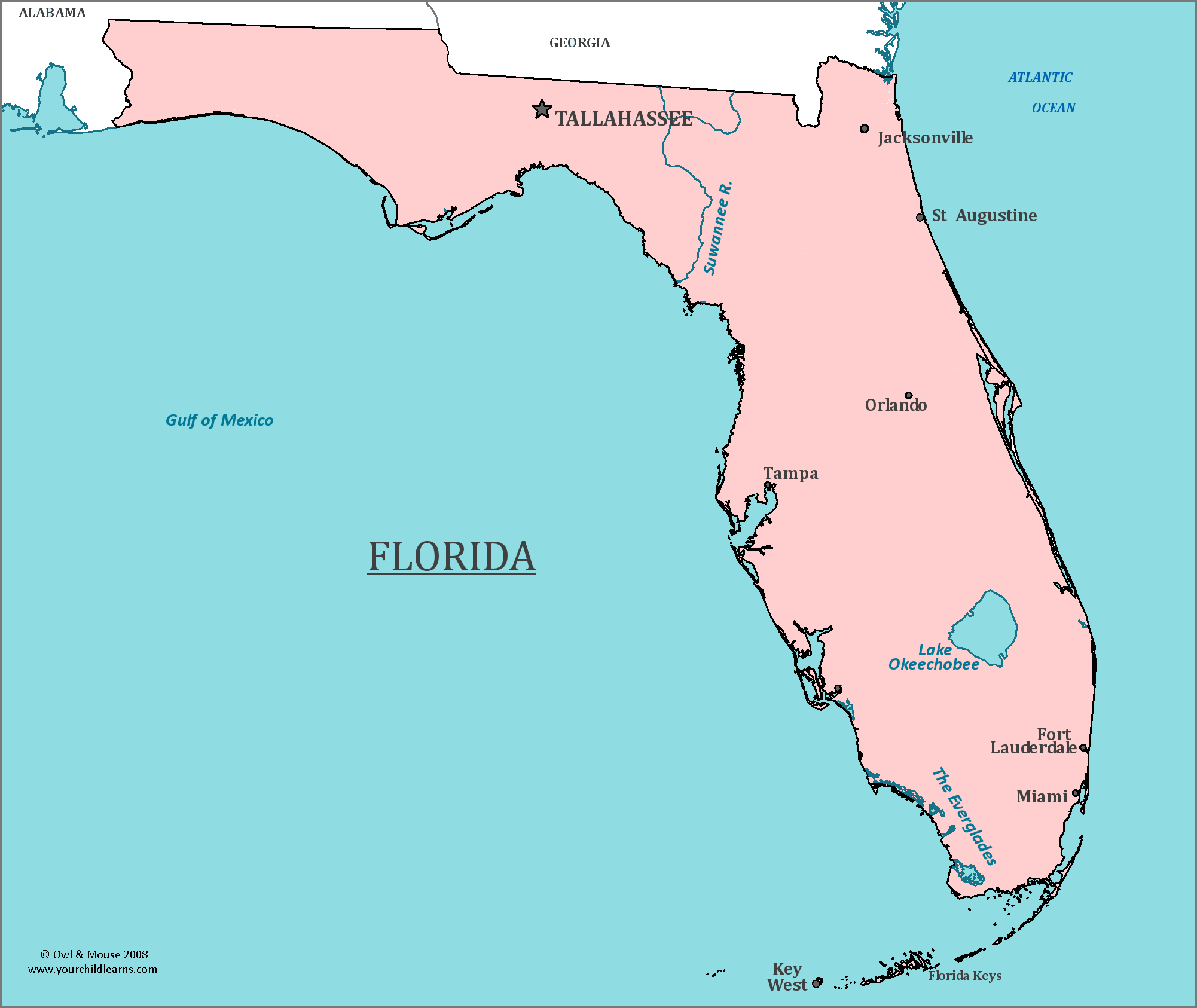
Most of Florida operates on Eastern Time, but the state isn't entirely on a single schedule. If you travel to the western Florida Panhandle, you'll cross into the Central Time Zone. This split catches many travelers and logistics planners off guard, especially since a single county even shares both zones. Understanding how Florida divides its hours helps prevent missed flights, botched appointments, and scheduling confusion.
The state splits its 67 counties across two distinct zones defined by federal regulation. While economic hubs like Miami, Orlando, Tampa, and Jacksonville sit firmly in the Eastern zone, the northwestern stretch follows Central time. Here is a breakdown of how the boundary works, why it exists, and what it means for daily life and travel.
The Geographic Split: Eastern vs. Central Florida
The division of time in the Sunshine State is heavily localized in the northwest panhandle. Out of 67 counties, 57 operate entirely on Eastern Standard Time (EST) and Eastern Daylight Time (EDT). Nine counties are entirely within the Central Time Zone, and one county is split internally.
The counties fully in the Central Time Zone include: For another angle on this event, refer to the latest update from Reuters.
- Escambia County (Pensacola area)
- Santa Rosa County
- Okaloosa County
- Walton County
- Holmes County
- Washington County
- Bay County (Panama City)
- Jackson County
- Calhoun County
Gulf County stands unique as the only county in Florida split right down the middle. Its northern half operates on Central Time, while its southern coastal strip—including Port St. Joe—observes Eastern Time.
The physical boundary tracking this shift primarily follows the Apalachicola River starting from the Georgia border. When driving westward on major thoroughfares like Interstate 10, motorists cross the Apalachicola River bridge and immediately lose an hour heading west or gain an hour heading east.
Why Florida Has Two Time Zones
The dual-zone arrangement stems from historical commerce, railroad logistics, and geographic proximity to neighboring states. The western panhandle shares closer economic and cultural ties with Alabama than with South Florida. Cities like Pensacola and Panama City align more naturally with Mobile and Montgomery, Alabama, than they do with Miami.
Federal oversight of time zones, managed by the U.S. Department of Transportation, dictates these boundaries based on natural commerce patterns and local petition. Over the decades, adjustments have occurred, but the panhandle's deep integration with the Central zone has kept the border stable near the Apalachicola River.
Residents in the western panhandle generally prefer staying on Central Time. Shifting the entire panhandle to Eastern Time would put local commerce out of sync with nearby Alabama trade partners and make morning routines drastically darker during winter months.
Daylight Saving Time Across Florida
Both zones in Florida observe Daylight Saving Time (DST). Clocks spring forward by one hour on the second Sunday in March and fall back by one hour on the first Sunday in November.
Because the entire state participates in DST, the one-hour gap between the panhandle and the rest of the state remains constant year-round. When it's noon in Miami, it's 11:00 AM in Pensacola, regardless of whether it's July or January.
The National Institute of Standards and Technology oversees the official atomic time standards that dictate these shifts across the nation, ensuring synchronized execution for transportation, aviation, and financial markets.
Common Travel and Scheduling Mistakes
Crossing the Florida time zone boundary without realizing it can disrupt travel itineraries. Keep these practical considerations in mind:
- Commuting and Work Calls: If you live in Tallahassee and manage clients or employees in Pensacola, remember there's a one-hour difference. A 9:00 AM meeting in Pensacola is 10:00 AM in Tallahassee.
- Aviation and Transit: Flights departing from Northwest Florida Beaches International Airport (ECP) or Pensacola International Airport (PNS) operate on Central Time. Double-check connection times when flying onward to Miami or Orlando.
- GPS and Smartphones: Modern devices usually update automatically via cell towers, but weak cellular signals near the Apalachicola River can occasionally cause phone clocks to stutter or display mismatched times temporarily.
Frequently Asked Questions
Does all of Florida observe Daylight Saving Time?
Yes. Every county in Florida, across both the Eastern and Central zones, springs forward and falls back in unison.
What is the exact dividing line for Florida's time zones?
The border primarily follows the Apalachicola River from the Georgia state line southward, cutting through Gulf County to separate the northern inland section from the southern coast.
Has Florida ever considered moving to a single time zone?
Lawmakers have periodically discussed statewide standardization, but regional preferences remain strong. Western panhandle residents prefer Central Time for commercial alignment with Alabama, while South and Central Florida remain anchored to the Eastern economic corridor.
Do neighboring states share Florida's split?
Alabama is almost entirely in the Central Time Zone, while Georgia is entirely in the Eastern Time Zone. Florida bridges both of its neighbors' standard times.



