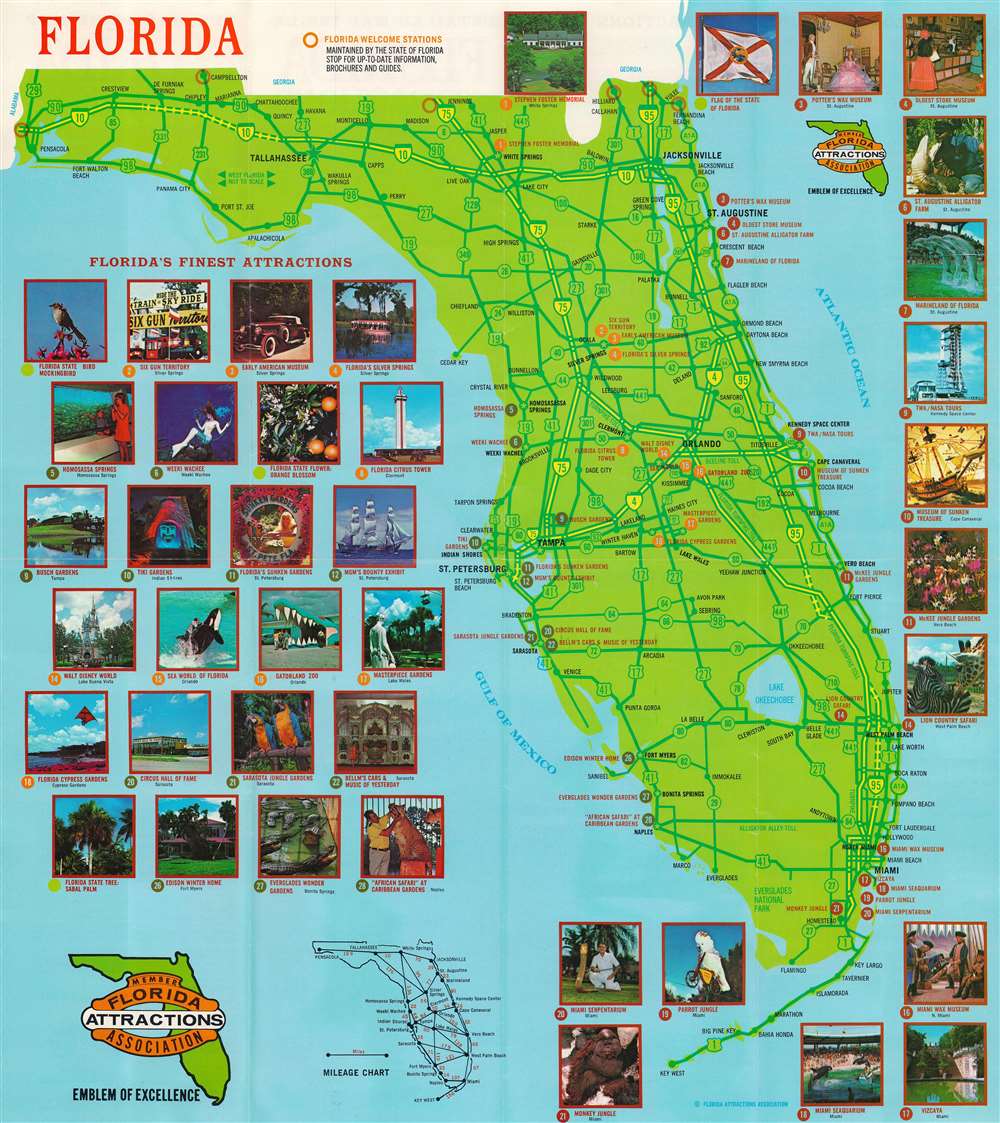
Is Florida Central Time? No, most of Florida is in the Eastern Time Zone, but a specific portion of the state observes the Central Time Zone. If you're planning a trip to Miami, Orlando, or Tampa, you're on Eastern Time. If you're heading west toward Pensacola, Panama City, or Destin, your clocks fall back an hour because those areas belong to Central Time.
Understanding how the state splits its hours prevents missed flights, late meetings, and scheduling confusion. Florida isn't a single-time-zone jurisdiction. The state's geography creates a sharp dividing line right through the Panhandle, splitting counties and even a single municipality.
The Dual Time Zone Split in Florida
Most people assume a state shares a single clock. Florida shatters that assumption. The majority of the peninsula sits in the Eastern Time Zone, tracking UTC-5 standard and UTC-4 daylight saving time. Meanwhile, the western slice of the Florida Panhandle operates on the Central Time Zone, tracking UTC-6 standard and UTC-5 daylight saving time.
This division means traveling from Jacksonville to Pensacola requires adjusting your watch. Nine full counties and a portion of a tenth county run an hour behind the rest of the state. If you cross this imaginary line while driving west on Interstate 10, your phone updates automatically, but analog dashboards catch drivers off guard.
Which Florida Counties Are on Central Time?
Pinpointing the exact boundary requires looking at the western panhandle. Nine counties reside entirely within the Central Time Zone, bordering Alabama and Georgia.
- Escambia County, home to Pensacola and Perdido Key.
- Santa Rosa County, covering Milton and Navarre.
- Okaloosa County, including Fort Walton Beach and Destin.
- Walton County, stretching from DeFuniak Springs to Seaside.
- Holmes County, bordering the Alabama state line.
- Washington County, home to Chipley.
- Bay County, housing Panama City and Panama City Beach.
- Jackson County, centered around Marianna.
- Calhoun County, nestled along the Apalachicola River basin.
Beyond these nine, Gulf County splits down the middle. North Gulf County operates on Central Time, while South Gulf County—including Port St. Joe and Cape San Blas—observes Eastern Time. This unique split makes Gulf County a place where daily errands might cross an internal boundary.
Where the Time Zone Line Crosses Major Roads
Driving across the Panhandle forces you to cross the boundary. The transition point isn't marked by a massive toll booth, but road signs warn motorists.
On Interstate 10, the time zone shift occurs at the Apalachicola River, roughly 40 miles west of Tallahassee. When traveling westbound, you cross the river, pass between Gadsden and Jackson counties, and your devices drop back an hour. State Road 20 and U.S. Route 98 also intersect this boundary, creating localized adjustments for beachgoers traveling between Panama City and Apalachicola.
According to the National Institute of Standards and Technology, official time boundaries follow county lines to prevent municipal chaos, but natural waterways often dictate the exact cartography established by the Department of Transportation.
Why Florida Has Two Time Zones
The split dates back to railroad expansion and industrial shipping in the late 19th and early 20th centuries. Communities in the western panhandle had closer economic ties to Alabama, Mobile, and New Orleans than to Jacksonville or Miami. Shipping companies and rail lines pushed to keep commercial hubs aligned with Central hubs.
Over the decades, lawmakers have introduced bills to unify the state under a single time zone—usually pushing for year-round Eastern Daylight Time. However, federal approval from the U.S. Department of Transportation is required to shift time zone boundaries. Because western panhandle residents prefer staying aligned with neighboring Alabama and central markets, the dual-zone layout persists.
Common Mistakes Travelers Make
Misunderstanding Florida's geographic layout leads to predictable travel errors. Visitors often book flights or rental cars assuming travel times across the panhandle remain uniform.
- Assuming the entire panhandle shares Miami's clock. Pensacola is an hour behind Orlando.
- Forgetting to adjust calendar invites or hotel check-in times when driving west from Tallahassee to Destin.
- Crossing county lines for dinner and arriving an hour early or late because a restaurant sits on the opposing side of the boundary.
- Ignoring phone prompt updates when crossing rural county lines near the Apalachicola River.
Check your navigation apps before embarking on cross-panhandle road trips. Letting your phone manage the transition automatically prevents most timing disasters, but keeping manual track helps when visiting remote parks or state forests where cell signals drop.
Frequently Asked Questions
Does all of the Florida Panhandle use Central Time?
No. Only the western portion of the Panhandle uses Central Time. Eastern Panhandle counties like Leon (Tallahassee), Wakulla, Jefferson, and Franklin operate on Eastern Time.
Do Florida time zones observe Daylight Saving Time?
Yes. Both the Eastern and Central portions of Florida observe Daylight Saving Time, shifting forward in March and falling back in November in unison with the rest of the United States.
How many counties in Florida are on Central Time?
Nine counties are entirely within Central Time, and one county (Gulf County) is split between Central and Eastern time zones.
What is the primary city in Florida on Central Time?
Pensacola is the largest major city and economic hub operating on Central Time in the state. Panama City also serves as a primary Central Time destination.


