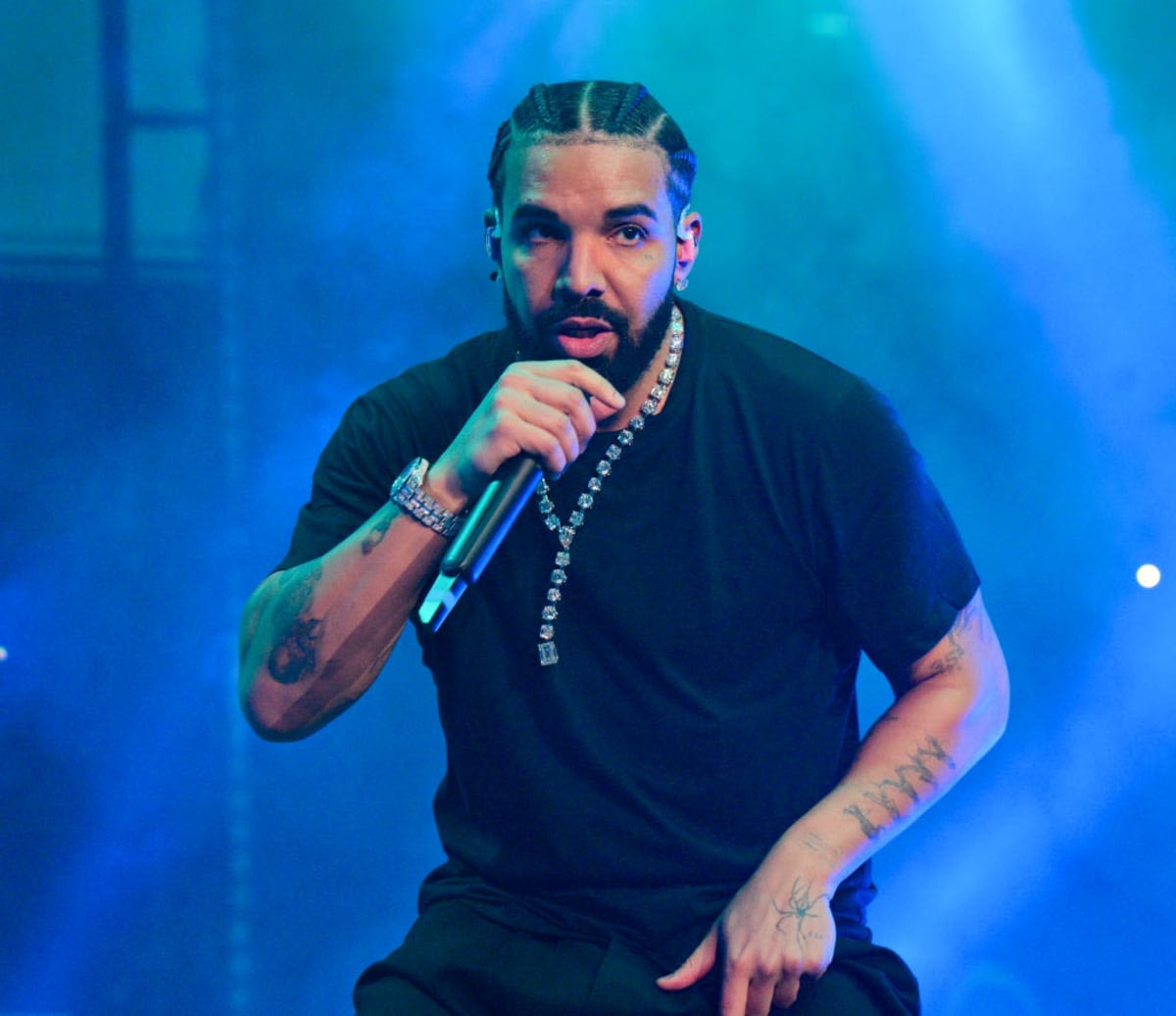
Yes, Drake is Jewish. Born Aubrey Drake Graham in Toronto, Canada, he navigates a multicultural background shaped by an Ashkenazi Jewish mother and an African American, Catholic father. While pop culture often pigeonholes artists into rigid boxes, his life story refuses simple categorization. He grew up attending a Jewish day school, celebrated his bar mitzvah, and spent his formative years immersed in both Jewish traditions and the cultural fabric of Toronto's diverse neighborhoods.
Understanding his background requires looking past tabloid summaries and examining how dual heritage influences his place in modern music. Let's unpack the realities of his upbringing, his relationship with his identity, and why his background continues to spark public curiosity.
The Roots: Family Background and Early Life in Toronto
Aubrey Drake Graham was born on October 24, 1986. His mother, Sandra "Sandi" Sher, is a Canadian-born Ashkenazi Jewish woman who worked as an English teacher and florist. His father, Dennis Graham, is an African American Catholic drummer from Memphis, Tennessee, who worked with artists like Jerry Lee Lewis.
When Drake was five years old, his parents divorced. He stayed primarily with his mother in Toronto, growing up in two very different environments depending on the neighborhood. For a period, they lived in Weston, a working-class area, before moving to Forest Hill, an affluent, predominantly Jewish neighborhood in midtown Toronto. BBC has also covered this fascinating subject in extensive detail.
Living in Forest Hill deeply shaped his daily routine. He enrolled in a local Jewish day school, where he studied Hebrew, participated in religious classes, and observed cultural traditions. At age thirteen, he celebrated his bar mitzvah, a milestone event in Jewish coming-of-age culture. Yet, these experiences didn't mirror a traditional suburban life. Money was tight during his early years, and as he noted in various interviews, he felt like an outsider in multiple circles. Being a biracial kid attending a predominantly white, Jewish private school in Canada presented unique social hurdles that heavily influenced his worldview.
Navigating Dual Identity in Hip-Hop
Hip-hop has historically been rooted in the Black American experience, originating in the Bronx and expanding globally as a voice for marginalized communities. When Drake entered the rap scene in the late 2000s, his background sparked commentary from critics and fans alike.
Critics sometimes questioned his authenticity because of his Canadian upbringing, his stint as an actor on the teen television show Degrassi: The Next Generation, and his Jewish heritage. Yet, hip-hop's landscape has always evolved. Artists from all over the world bring unique perspectives to the genre.
Drake has addressed this dynamic directly in his music and interviews. He has often emphasized that while his Jewish upbringing is an undeniable part of his history, his lived reality is anchored in Black culture. In a widely cited statement, he shared that he considers himself a Black man because he is immersed in Black culture daily. He views his Jewish heritage as a unique twist that adds depth to his personal story rather than a contradiction.
If you want to read more about how cultural intersections shape modern entertainment, check out coverage from Rolling Stone.
Cultural Markers in His Music and Public Persona
Fans don't have to look hard to find references to his heritage woven into his catalog. Over the years, he has dropped subtle and explicit nods to his background, blending his identities into a seamless public persona.
- Bar Mitzvah Throwbacks: In his music video for "HYFR," Drake recreated his bar mitzvah, featuring his actual mother and real-life friends. The video leans directly into his Jewish upbringing with humor and nostalgia.
- The "6" Connection: His affectionate nickname for Toronto, "The 6," stems from the city's original area codes (416 and 647), but his status as Toronto's cultural ambassador aligns with the city's rich mosaic of immigrant communities, including its prominent Jewish population.
- Public Perception: He often uses humor to disarm critics who try to box him in. By owning both sides of his lineage, he avoids the trap of having to perform a single, narrow version of identity.
Common Misconceptions About His Background
Public fascination often leads to exaggerated narratives. Clearing up these misconceptions helps paint an accurate picture of who he is.
- The "Novice" Myth: Some assume his Jewish roots are a recent discovery or a marketing gimmick. In reality, he grew up practicing traditions and attending religious school long before he ever stepped into a recording studio.
- The Cultural Exclusion: Others believe that embracing one side of his heritage means rejecting the other. His career proves that multicultural artists can authentically occupy multiple spaces simultaneously.
- The Financial Stereotype: Tabloids often misrepresent his childhood as ultra-wealthy because of the Forest Hill zip code, but he has frequently spoken about financial struggles during his parents' separation and his early acting days.
To explore deeper sociological studies on modern multicultural identity, you can visit resources provided by Pew Research Center.
Frequently Asked Questions
Did Drake go to a Jewish school?
Yes. He attended a Jewish day school in Toronto during his youth, where he received a formal religious and cultural education alongside his standard academic classes.
Is Drake bar mitzvahed?
Yes. He celebrated his bar mitzvah at age thirteen, an event he later playfully recreated in his music video for the song "HYFR."
How does Drake identify racially and culturally?
He identifies primarily as a Black man, noting that he is deeply immersed in Black culture. At the same time, he openly embraces his Jewish heritage from his mother's side as a core component of his personal history.
Why do people talk so much about his heritage?
Because hip-hop culture places a high value on authentic lived experience, artists who bridge multiple cultural or racial backgrounds often face intense scrutiny from fans and media trying to define where they fit.



