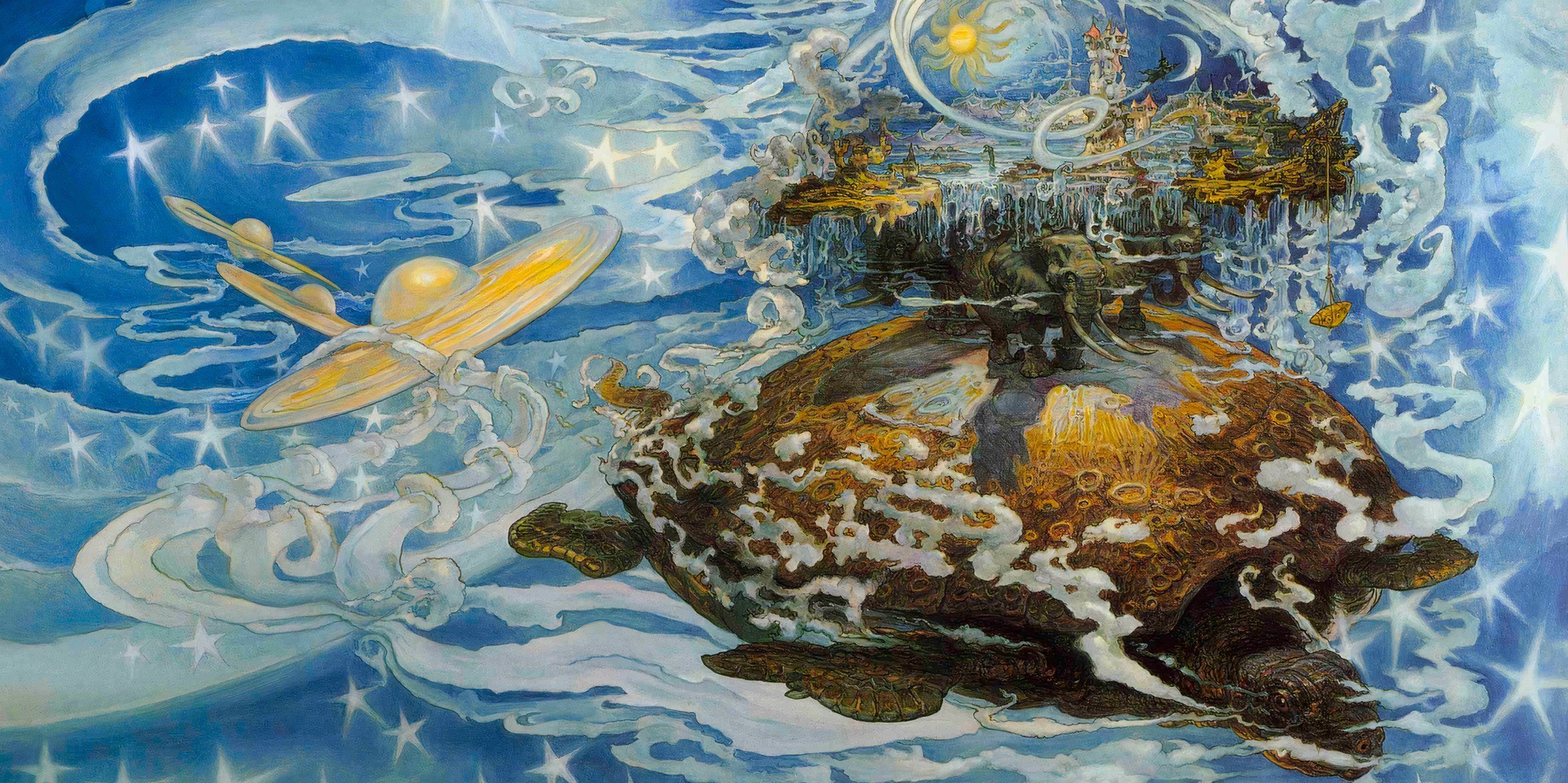
Is Discworld worth reading? Yes, Terry Pratchett's 41-book satire is one of the funniest, smartest achievements in speculative fiction. If you're tired of grimdark grimness and endless chosen-one tropes, this is the antidote you need.
Pratchett doesn't just poke fun at high fantasy; he uses a flat world riding on four elephants and a giant space turtle to dissect human nature, politics, religion, and modern bureaucracy. With over 85 million copies sold globally, the series commands a fierce, devoted following. Yet, diving into a 41-book epic can feel intimidating. Here's a breakdown of why it deserves a spot on your shelf, how to tackle the reading order without getting overwhelmed, and what the usual beginner missteps look like.
Why Discworld Stands Out in Modern Fantasy
Most comedy fantasy relies on cheap gags that wear thin after fifty pages. Pratchett builds an intricate, evolving world where the laughs stem from character flaws and sharp societal irony. Ankh-Morpork, the series' sprawling central city, feels more vivid and lived-in than many meticulously mapped secondary worlds in serious high fantasy.
You'll find parodies of Shakespeare, Hollywood, trade unions, and investigative journalism. Crucially, the books get better as Pratchett finds his footing. The early novels lean heavier on broad parody, while the middle and later works mature into profound explorations of justice, faith, and aging.
Sub-Series Breakdown: Where to Start
You don't need to read Discworld in publication order. Pratchett wrote interlocking sub-series focusing on different characters and corners of the world. Picking the right entry point changes everything.
- The City Watch: Gritty urban fantasy mixed with police procedural satire. It starts with Guards! Guards! and follows Commander Sam Vimes dealing with corruption, class struggles, and draconic bureaucracy.
- The Witches: Folklore-heavy tales starring Granny Weatherwax and Nanny Ogg. Starting with Wyrd Sisters, these books explore human psychology, headology (psychology with more common sense), and the power of stories.
- Death: Philosophical, darkly humorous explorations of mortality. Mort introduces an anthropomorphic Death who takes an apprentice and tries to understand humanity.
- The Wizards: Academic satire centered on Rincewind, a cowardly wizard who specializes in running away from danger. These are lighter, more chaotic adventures.
Essential Reading Order for Beginners
Starting with book one (The Colour of Magic) is a common mistake. While fun, it's not Pratchett's best work and doesn't represent the narrative depth of the later books.
- The Guards Approach: Pick up Guards! Guards! if you love mystery, crime fiction, and gritty urban settings.
- The Standalone Philosophical Route: Read Small Gods if you want a complete, single-volume story exploring religion, belief, and dogma without needing prior context.
- The Coming-of-Age Route: Start with The Wee Free Men if you enjoy sharp, heartwarming fantasy featuring pint-sized, hard-drinking blue Scottish pixies.
Common Mistakes New Readers Make
Jumping into a massive universe like this leads to a few predictable pitfalls. Avoid these to keep your momentum high.
- Insisting on Publication Order: Forcing yourself through the first two books when they don't click will kill your enthusiasm. Skip around; the books share a world, not a single linear plot.
- Expecting Pure Slapstick: Expecting jokes on every single page misses the point. Pratchett sneaks deep emotional punches and sharp political critique right behind the punchlines.
- Skipping the Footnotes: Pratchett's footnotes are legendary. They contain some of his funniest side-commentary and world-building details. Never skip them.
According to The Guardian, Pratchett remains one of the most widely read and deeply missed satirists of the modern era, praised for his unmatched wit and humanism. For more background on his bibliography and charitable literary trusts, check out the official Terry Pratchett Website.
Frequently Asked Questions
Do I have to read all 41 books to understand the story?
No. Almost every Discworld novel functions as a standalone story. While characters grow and the world evolves, you can stop after three books or read only the City Watch arc without feeling lost.
Which book is the funniest?
Many fans point to Men at Arms or Going Postal as peak comedic timing, but humor is subjective. If you like corporate satire, Making Money is a riot. If you like theater parodies, try Maskerade.
Are the books appropriate for young readers?
Most main Discworld books are written for adults, though teenagers easily enjoy them. For younger readers, Pratchett wrote the Tiffany Aching sub-series (The Wee Free Men onwards), which tackles maturity and courage with brilliance.
How does Terry Pratchett's writing change over time?
Early books focus heavily on fantasy trope parodies. Later books, written after his 2007 Alzheimer's diagnosis, lean into deeper themes of humanity, industrialization, and societal change with a more poignant, urgent tone.



