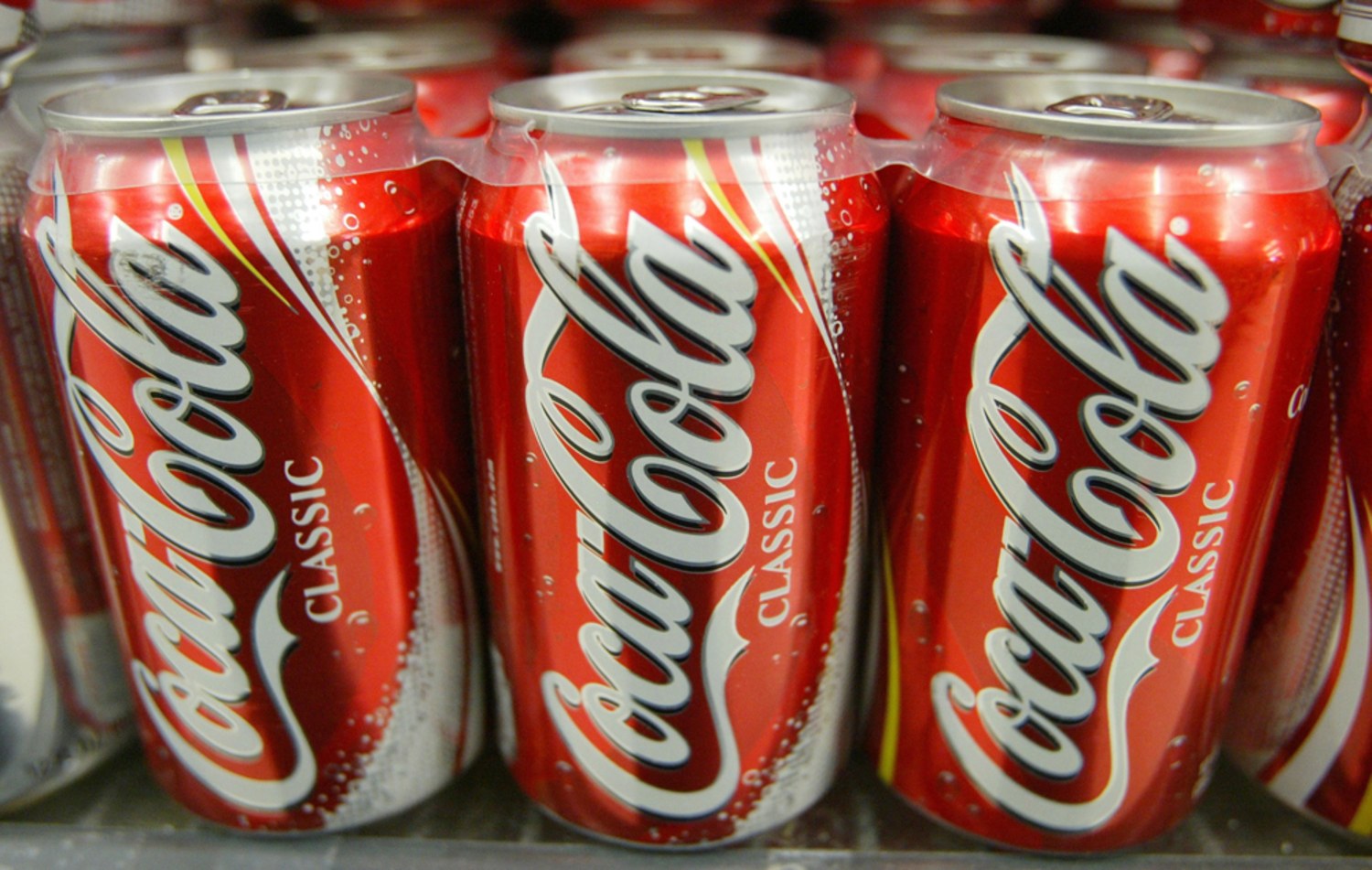
When you're trying to cut back on sugar without giving up your afternoon carbonation, grabbing a diet soda feels like a safe shortcut. But beneath the zero-calorie label, questions linger about what these artificial sweeteners actually do to your body. Let's look past the marketing and break down the chemical realities, metabolic effects, and long-term health trade-offs of choosing diet cola.
Diet sodas swap caloric sugars for intense, zero-calorie alternatives, allowing you to enjoy sweet flavors without spiking your daily energy intake. While this swap helps reduce immediate sugar loads, it introduces new variables concerning gut health, palate adaptation, and metabolic responses that standard water or tea simply don't trigger. Understanding these dynamics helps you decide whether diet cola has a rational place in your routine.
What's Actually Inside a Can of Diet Soda
The ingredient list of a diet cola is remarkably straightforward, yet each component plays a precise role in mimicking the sensory experience of a full-sugar beverage. Without real sugar, manufacturers rely on high-potency compounds to replicate sweetness and specialized acids to balance the flavor profile.
Aspartame and acesulfame potassium (Ace-K) serve as the primary powerhouses. Aspartame is roughly 200 times sweeter than sucrose, which means manufacturers only need minute amounts to sweeten an entire can. Ace-K is often paired with it to stabilize the sweetness and eliminate lingering aftertastes.
Carbonated water and caramel coloring provide the physical appearance and effervescence, while phosphoric acid gives the drink its sharp, tangy bite. Phosphoric acid also acts as a preservative and flavor stabilizer, though its acidic nature is a frequent point of discussion among dental professionals concerned about enamel health.
The Weight Management Paradox: Calories vs. Biology
From a strict mathematical standpoint, swapping a 150-calorie sugary drink for a zero-calorie alternative creates an immediate energy deficit. If you replace one regular soda a day with a diet version, you eliminate thousands of calories over the course of a year.
However, human biology rarely follows a straight line. Some observational studies suggest a curious correlation between frequent diet soda consumption and weight retention or increased waist circumference over time. Researchers attribute this to several behavioral and physiological factors:
- The Halo Effect: Believing you've saved calories on a beverage can subconsciously trigger a "licence to indulge" elsewhere, leading to larger portions at meals.
- Palate Adaptation: Regular exposure to intense artificial sweetness keeps your taste buds calibrated to high-intensity flavors, which can make natural whole foods like fruits taste less appealing.
- Appetite Signaling: While artificial sweeteners don't provide glucose, some research indicates that sweet tastes without accompanying calories can leave the brain searching for the missing energy, occasionally translating into cravings for carbohydrates.
Metabolic Health and Insulin Responses
For decades, diet sodas were considered completely inert because they didn't raise blood sugar. Modern nutritional science, however, reveals a slightly more complex physiological interplay.
When sweetness hits the receptors on your tongue, your nervous system initiates a preparation phase. This process, known as the cephalic phase response, can trigger minor hormonal shifts, including a transient release of insulin in anticipation of incoming glucose. While this response is typically mild and doesn't cause dangerous blood sugar crashes in healthy individuals, it demonstrates that your body registers artificial sweeteners long before they reach the stomach.
Furthermore, researchers are closely examining how daily consumption impacts metabolic flexibility and insulin sensitivity over years of regular use. While findings remain mixed and population-wide consensus is still evolving, individuals managing specific metabolic conditions often prefer to err on the side of caution.
Gut Microbiome Implications
One of the most active areas of modern nutritional research involves the gut microbiome—the diverse community of bacteria living in your digestive tract. Your gut bacteria play an essential role in digestion, immune function, and even mood regulation.
Emerging laboratory and human studies suggest that certain non-nutritive sweeteners can subtly alter the balance of microbial populations in the gut. An imbalance, or dysbiosis, has been theoretically linked to changes in glucose tolerance and inflammation markers. While current data does not point to immediate toxicity, it highlights that artificial compounds interact with your digestive system in ways researchers are still mapping out.
According to the U.S. Food and Drug Administration, extensive toxicology data supports the safety of approved sweeteners within established consumption limits, but continuous monitoring by independent researchers remains vital as new methodologies emerge.
Practical Guidelines for Consumption
If you enjoy a diet soda, you don't necessarily need to banish it from your fridge entirely, but treating it as a casual treat rather than a health tonic is wise.
- Prioritize Plain Hydration: Let water, herbal teas, and sparkling water with a twist of real citrus form the foundation of your daily fluid intake.
- Watch Your Caffeine Intake: Remember that diet colas contain significant amounts of caffeine, which can disrupt sleep patterns or increase anxiety if consumed late in the day.
- Protect Your Teeth: Use a straw when possible, and avoid sipping on a single can over several hours, as prolonged acid exposure softens tooth enamel.
The World Health Organization provides global guidelines on dietary intake and additives, emphasizing that while zero-calorie options help lower sugar consumption, they shouldn't replace clean water as the primary source of hydration.
Frequently Asked Questions
Can diet soda help me lose weight?
It can act as a useful harm-reduction tool if you use it to step down from a heavy daily intake of sugary beverages. However, it is not a direct weight-loss treatment. Sustainable weight management ultimately depends on your overall caloric balance, sleep, and whole-food nutrition.
Are artificial sweeteners safe for daily consumption?
Major global health authorities, including the European Food Safety Authority, have established Acceptable Daily Intakes (ADIs) for sweeteners like aspartame. For an average adult, reaching the ADI would require consuming an unrealistic number of cans daily. Moderation remains the safest approach.
Does diet soda cause spikes in blood sugar?
For most people, artificial sweeteners do not cause a direct spike in blood glucose because they lack carbohydrates. Any minor hormonal responses triggered by taste receptors are generally negligible compared to the metabolic impact of actual sugar.
Who should avoid aspartame completely?
Individuals diagnosed with phenylketonuria (PKU), a rare genetic metabolic disorder, cannot properly break down phenylalanine, an amino acid found in aspartame. These individuals must strictly avoid products containing aspartame, which is why packages feature clear warning labels.



